

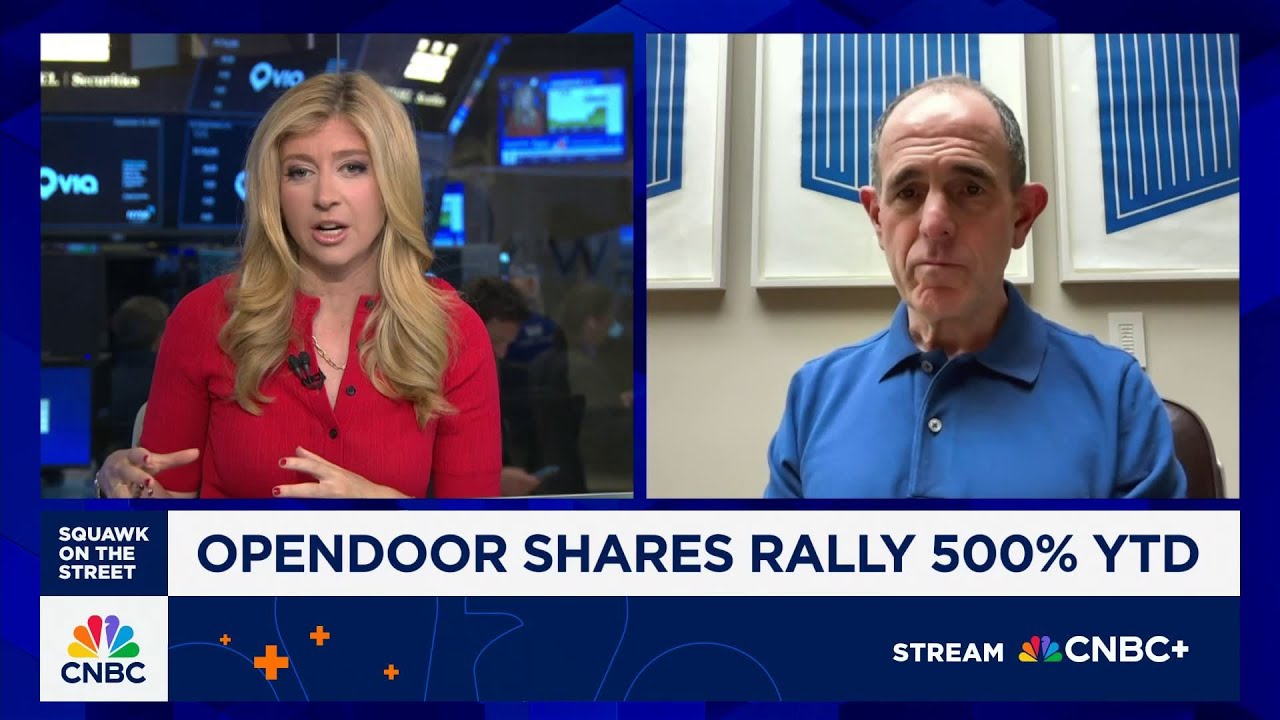
Keith Rabois, co-founder and newly appointed Chairman of Opendoor, offered a compelling defense and audacious vision for the online real estate company during a recent CNBC interview, asserting that the potential of the residential real estate market remains largely untapped and Opendoor is uniquely positioned to revolutionize it. His commentary followed a remarkable surge in Opendoor's stock, which had rallied over 500% year-to-date, defying previous skepticism from many Wall Street analysts who had dismissed the iBuying model.
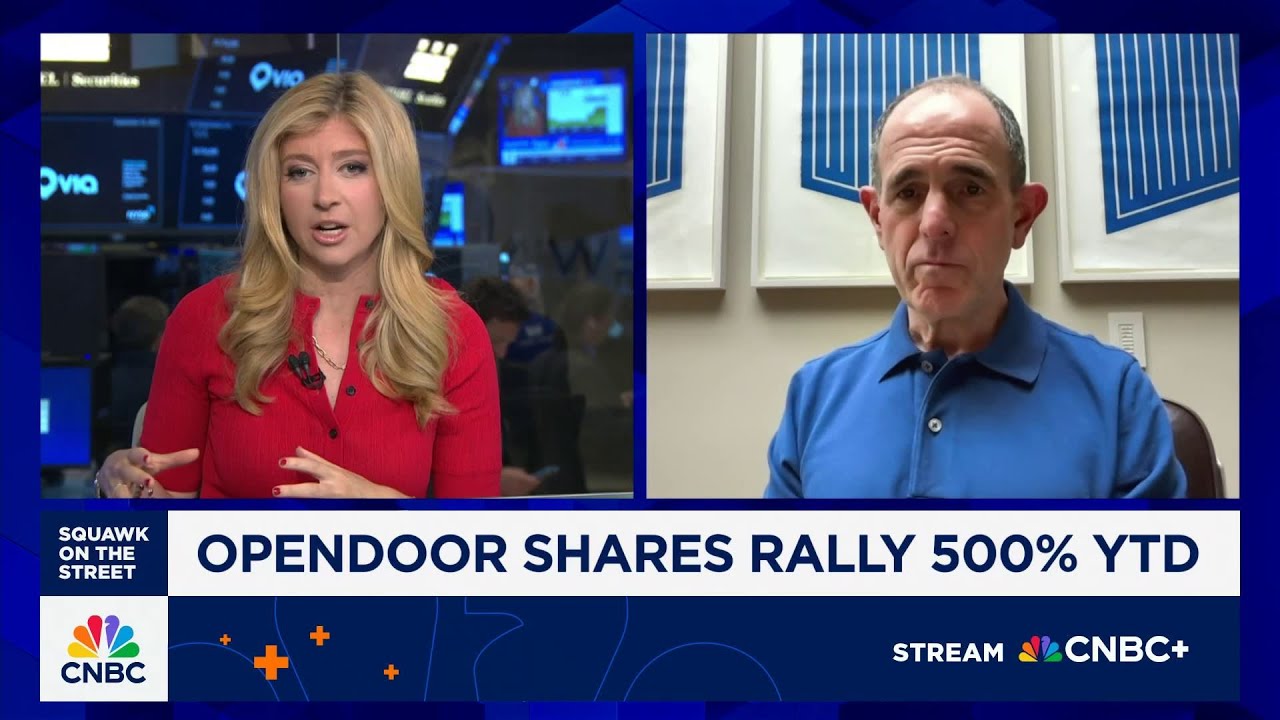
Rabois, also a managing director at Khosla Ventures, spoke with the CNBC interviewer about Opendoor's dramatic turnaround and its strategic path forward, particularly in light of a recent C-suite shuffle, including the appointment of a new CEO, Carrie Wheeler. The discussion centered on the viability of the iBuying model, the company's operational challenges, and the immense, yet often misunderstood, opportunity within the global residential real estate market.
Rabois underscored a significant disconnect between market perception and fundamental value. He highlighted that "retail investors figured out the potential of the company," while "experts, Wall Street experts, etc., missed the potential." This sentiment suggests that the underlying value proposition of Opendoor, offering a streamlined and certain home selling experience, was always present, but perhaps obscured by broader market dynamics or a lack of understanding from traditional financial institutions. The recent rally, therefore, isn't merely a "meme stock" phenomenon, but a belated recognition of a deeply rooted, long-term opportunity in a sector ripe for innovation.
He emphasized the sheer scale of the opportunity, stating, "Residential real estate in the world is about a $289 trillion asset, and nobody has transformed the buying and selling of real estate in the world. And Opendoor has the most likely shot on goal of fixing the transaction, both on the buy side and the sell side." This expansive view frames Opendoor’s mission not just as a niche service, but as a pivotal force in a gargantuan, yet archaic, global market. Rabois further drew comparisons to Carvana, suggesting Opendoor possesses "less competition and more upside," positioning it for potentially even greater success.
A core tenet of Rabois's argument is the inherent sustainability of the iBuying model, contrary to the narrative that emerged after competitors like Zillow and Redfin exited the space. He directly challenged the notion that iBuying became "out of vogue," clarifying that "it was out of vogue because Redfin and Zillow didn't know how to do it. We were always successful. We minted free cash flow every year." This distinction is crucial, positioning Opendoor as the expert in a complex operational domain where others failed due to execution, not fundamental flaw.
The value proposition of Opendoor, Rabois argued, is "certainty, transactional speed, peace of mind, convenience." These benefits remain incredibly compelling to American homeowners.
For sellers, the traditional process of listing a home can involve lengthy waits—"80 to 100 days"—and a high probability that "20% of the transactions that you think you've closed are never going to close." Opendoor aims to eliminate this uncertainty, offering a guaranteed sale and a clear timeline, a powerful draw for many. This convenience, he noted, has already led to double-digit market share in several US markets, demonstrating proven demand for the iBuying solution when executed effectively.
The company’s past struggles, according to Rabois, stemmed not from the core business model or market downturns, but from internal inefficiencies. He bluntly identified the problem as "bloated G&A" and a "broken culture," specifically mentioning remote work as a contributing factor. The solution, he detailed, involves a significant operational overhaul, driven by a new leadership team and the transformative potential of artificial intelligence.
Rabois was particularly forthright about the need for a leaner structure. "There's 1,400 employees at Opendoor. I don't know what most of them do. We don't need more than 200 of them." This stark assessment highlights the extent of the planned organizational restructuring and the anticipated impact of AI on efficiency. He added that the "advent of AI" makes these changes even more feasible, simplifying complex processes from property valuation to transaction management, thereby drastically reducing the need for human intervention in routine tasks.
The goal is to build a resilient cost structure that can weather real estate market cycles, ensuring profitability whether 6 million homes are sold annually or the market dips to 3-4 million. This focus on discipline and rigor, akin to the operational efficiency achieved by companies like Shopify under new leadership, is central to Opendoor's renewed strategy. The company is committed to returning to its roots of innovation and in-person collaboration, believing these elements are vital for its mission to enhance homeownership and societal well-being. This strategic shift away from previous operational excesses, coupled with a renewed focus on core competencies and technological leverage, paints a picture of a company poised for sustainable growth and profitability, regardless of market volatility.
Rabois concluded by reiterating the commitment to foundational principles. "This company was founded on the principle of innovation and working together in person. We're going to restore, return to our roots. We have a mission." This emphasizes a cultural and operational reset, moving away from what he perceived as missteps and back towards a focused, efficient, and ultimately profitable future, centered on the profound impact of homeownership on society.

