

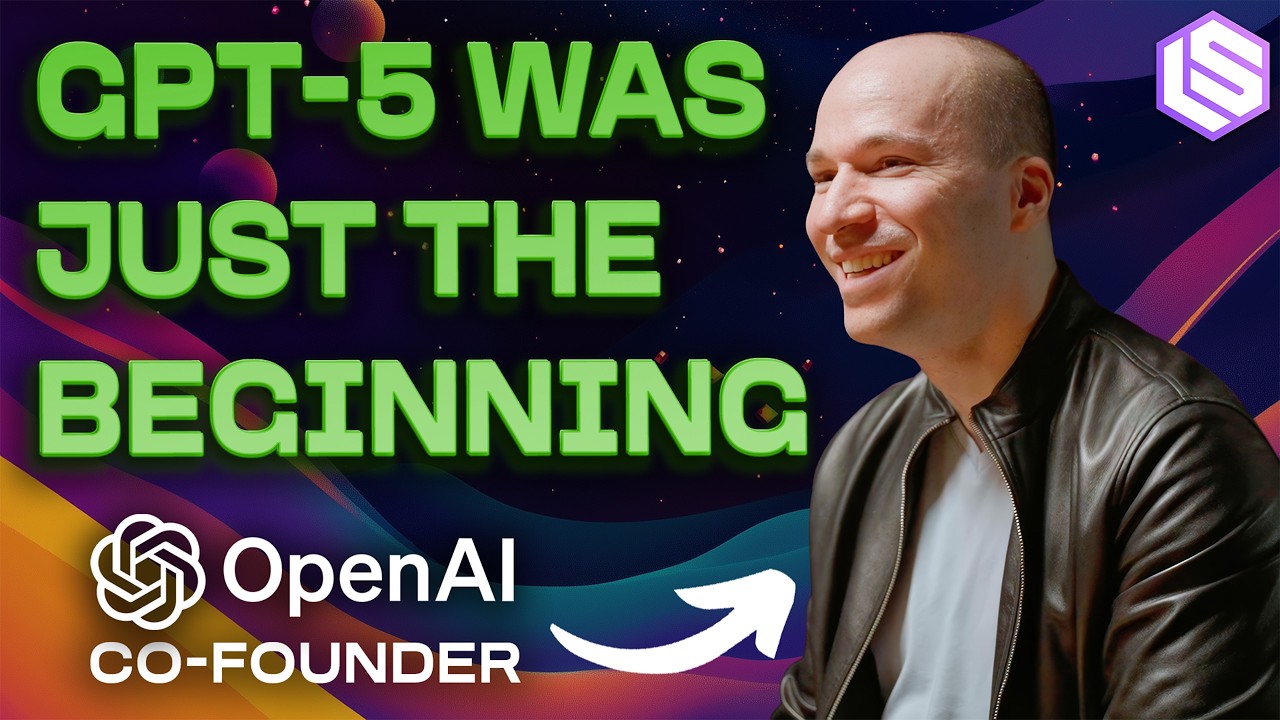
Greg Brockman, co-founder and president of OpenAI, recently offered a compelling glimpse into the company’s strategic trajectory towards Artificial General Intelligence during an interview on the Latent Space podcast with Alessio Fanelli and Swyx. The discussion transcended mere product announcements, delving into the foundational shifts in AI development that underpin their latest releases, including GPT-5 and GPT-OSS. Brockman articulated a clear pathway where models evolve from sophisticated predictors to agents capable of genuine reasoning and real-world interaction.
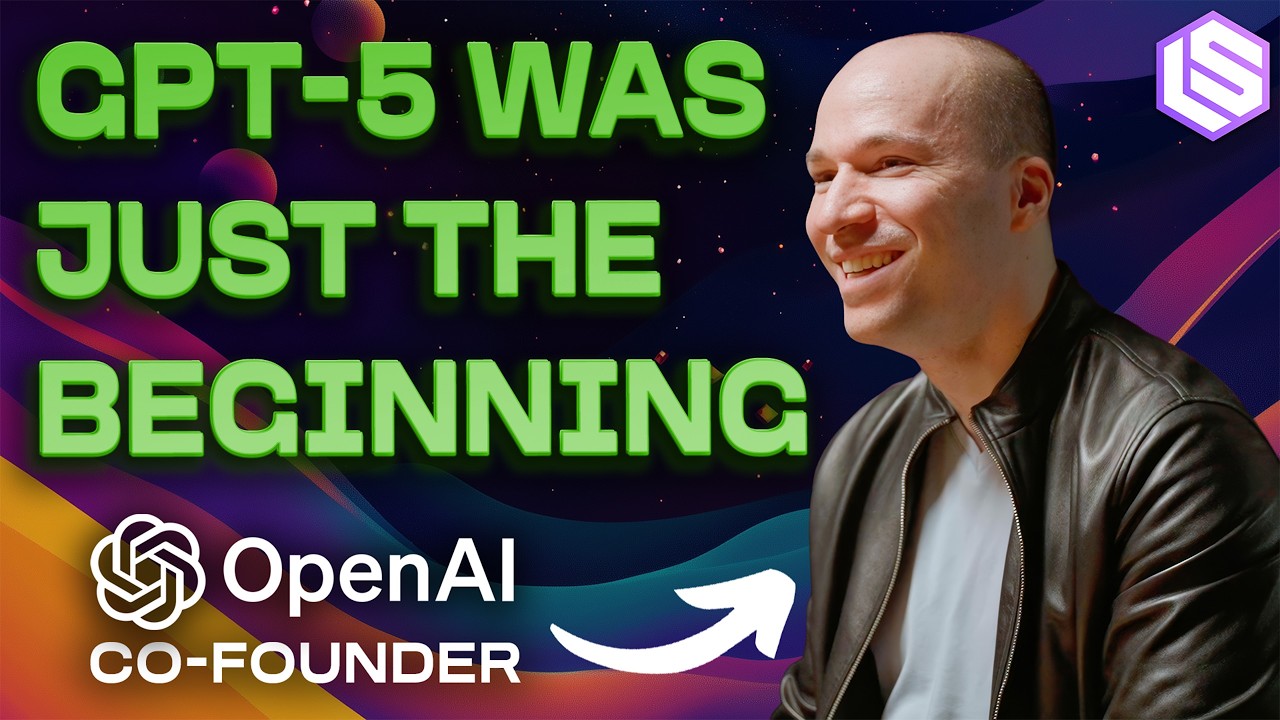
The pivotal moment, according to Brockman, arrived with GPT-4. After its training, the critical question within OpenAI became: "Why is this not AGI?" The answer, he explained, revealed a fundamental gap: the model, despite its vast knowledge, lacked the ability to "test out its ideas in the world." This realization underscored the imperative shift towards reinforcement learning (RL) and dynamic interaction, moving beyond static pre-training data to imbue models with a more robust, reliable form of intelligence.
This pursuit highlights a persistent truth in the field: "The bottleneck is always compute." Brockman emphasized that access to significant computational resources consistently enables new iterations and breakthroughs in AI research. This relentless drive for compute fuels the exploration of complex learning paradigms, allowing models to engage in the iterative process of hypothesis testing and feedback that is crucial for advanced reasoning.
The progression from simple next-token prediction to models capable of complex intellectual feats is a "wild fact." Models like those achieving gold in the International Mathematical Olympiad (IMO) demonstrate an emergent capacity for deep reasoning, a capability previously thought to require massive, specialized human teams. These advancements are not solely about scale but about unlocking generalizable learning.
For developers and founders, this evolving landscape presents both challenges and opportunities. Brockman suggested that the future of interacting with these increasingly capable models will involve managing "agents" rather than mere tools, requiring a new understanding of their strengths and weaknesses. The goal is to foster a seamless, fluid collaboration where AI acts as an extension of human intellect. This entails robust system controls, auditability, and clear definitions of model intent, ensuring safe and productive integration into real-world applications. The distinction between models operating locally versus remotely, and the need for seamless integration across these environments, becomes paramount.