


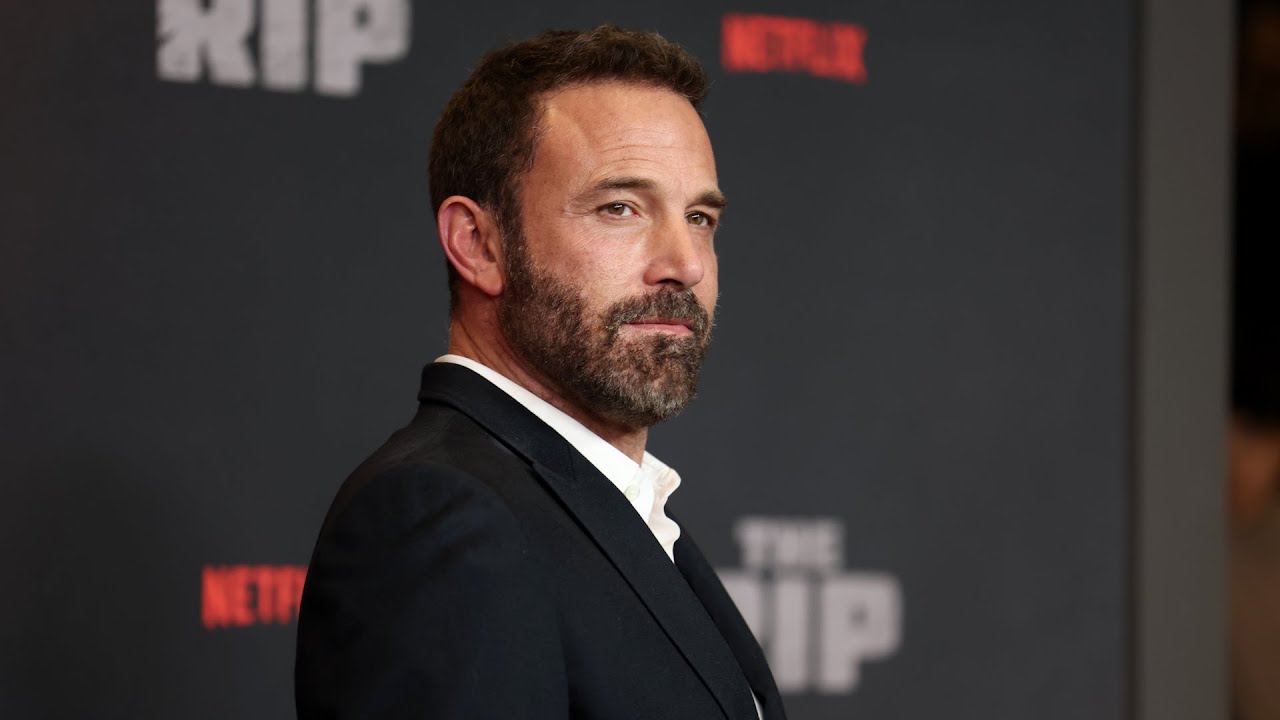
In a surprising move that blurs the lines between Hollywood and cutting-edge technology, Netflix is reportedly set to acquire Interpositive, an artificial intelligence firm founded by acclaimed filmmaker Ben Affleck. The deal, valued at up to $600 million, signifies a major strategic investment by the streaming giant into AI-powered content creation and post-production capabilities. Lucas Shaw, a reporter for Bloomberg News, broke the story, detailing the significant financial outlay and the unique nature of the acquisition, which involves a combination of upfront payment and performance-based earnouts.
The full discussion can be found on Bloomberg Technology's YouTube channel.
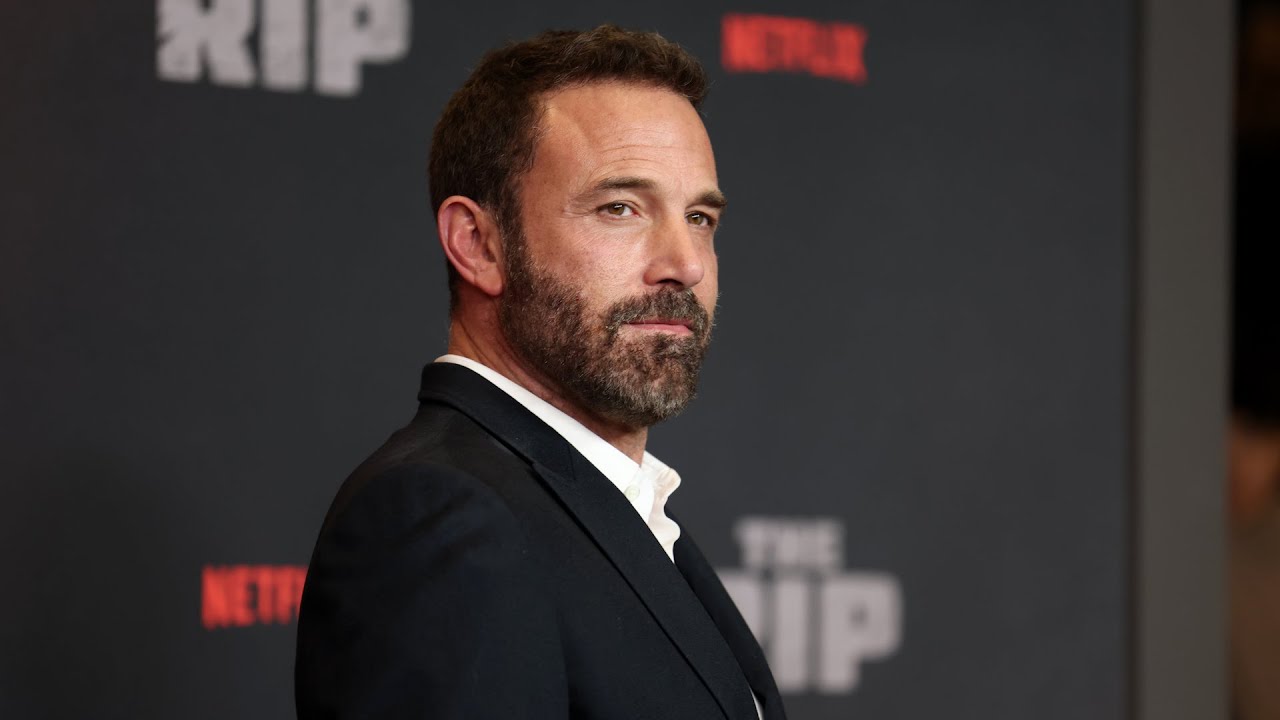
Who Is Ben Affleck and Why Does This Matter?
Ben Affleck is a highly successful actor, director, screenwriter, and producer, known for his work on films such as 'Good Will Hunting,' 'Argo,' and 'The Town.' While primarily recognized for his contributions to the cinematic arts, Affleck has also shown a keen interest in technological advancements. His involvement in founding Interpositive highlights a growing trend of creative industry leaders exploring the potential of AI to revolutionize filmmaking. The acquisition by Netflix is noteworthy not only for the substantial financial commitment but also because it brings a high-profile creative figure and his AI venture into the orbit of one of the world's largest media companies.
Netflix Acquires AI Firm for Up to $600 Million
The core of the acquisition revolves around Interpositive's proprietary AI technology. According to Shaw, this technology is designed to enable filmmakers to alter existing footage, suggesting capabilities that could range from minor adjustments to significant transformations of visual content. Unlike some AI tools that require extensive training on new datasets, Interpositive's system is reported to learn from and adapt to existing film and video material. This approach is crucial for a company like Netflix, which possesses a vast library of content and is constantly producing new material.
The potential applications are far-reaching. For instance, the AI could be used to seamlessly insert new elements into scenes, alter actors' performances, or even change the style or aesthetic of a film after it has been shot. This could significantly speed up post-production processes, reduce costs associated with reshoots or visual effects, and offer creative flexibility that was previously unimaginable. Furthermore, by training the AI on its own content, Netflix could potentially circumvent some of the copyright concerns that have plagued other AI development initiatives, as the models would be trained on material they have the rights to use.