

Musk v. Altman: The AI Lawsuit That Could Reshape Tech

Elon Musk is suing OpenAI, alleging a breach of its non-profit mission. Columbia Law professor Dorothy Lund discusses the legal claims and potential motivations.

4 min read
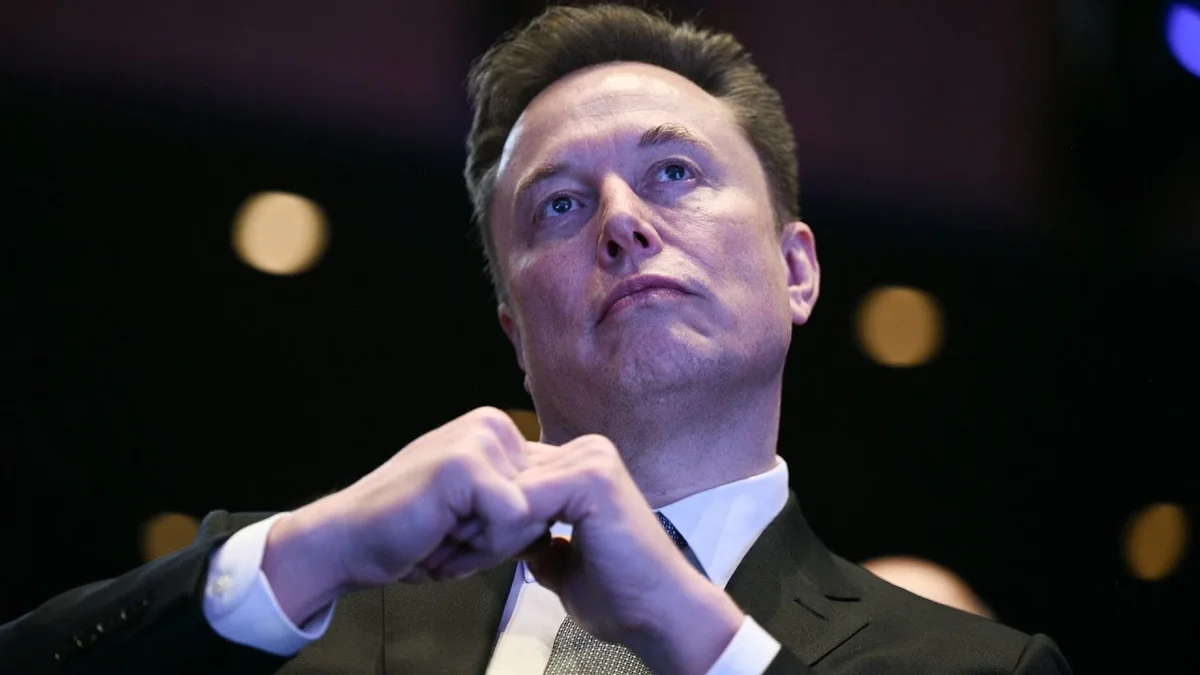
Sam Altman and Elon Musk featured in a split screen interview discussing OpenAI.
Image credit: Bloomberg Tech· Bloomberg Technology

The high-stakes legal battle between tech titans Elon Musk and Sam Altman has officially begun, centered around OpenAI's fundamental mission and its transition to a for-profit structure. The lawsuit, filed by Musk, alleges that OpenAI has strayed from its original commitment to develop artificial intelligence for the benefit of humanity, instead prioritizing private profit and potentially creating a monopolistic AI.

The full discussion can be found on Bloomberg Technology's YouTube channel.
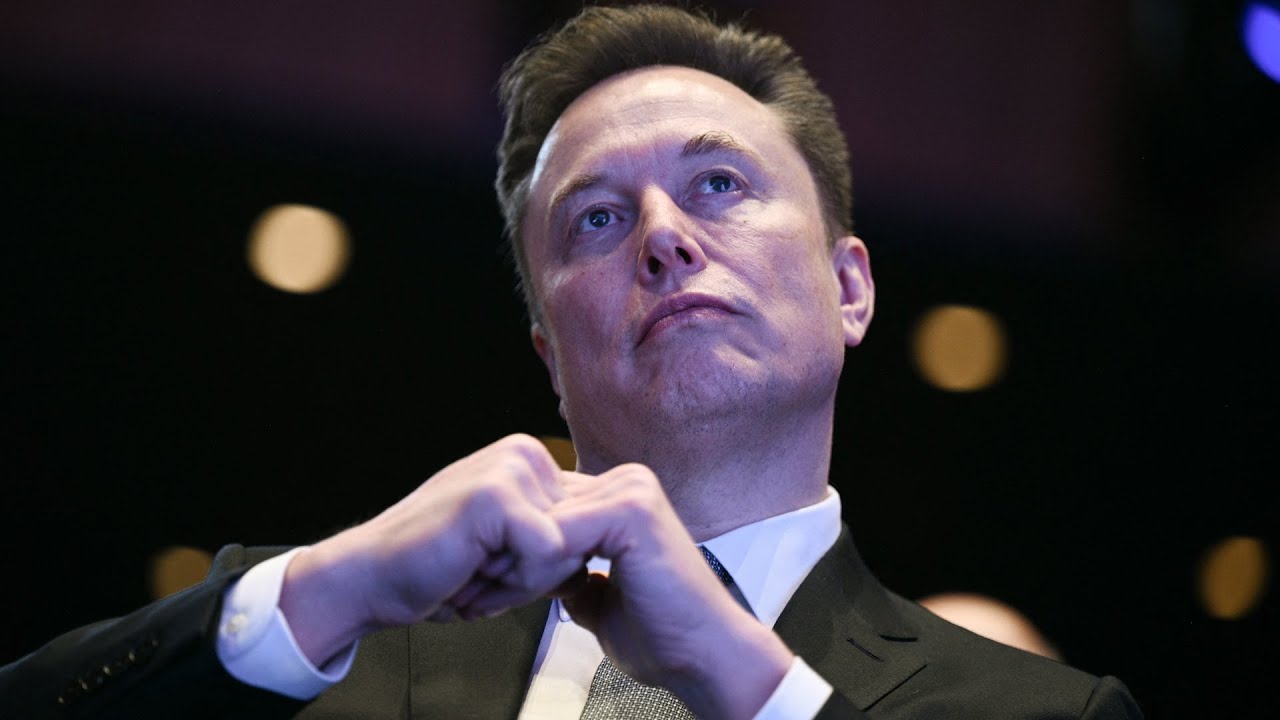
Musk, Altman Feud Heads to Court Over Future of OpenAI - Bloomberg Technology
Musk, Altman Feud Heads to Court Over Future of OpenAI — from Bloomberg Technology

Who's Who in the Legal Arena

At the heart of this legal drama is a clash between two prominent figures in the AI world. Elon Musk, a serial entrepreneur and CEO of SpaceX (NASDAQ: SML), is a co-founder of OpenAI. He is known for his ambitious ventures, including Tesla (NASDAQ: TSLA) and Neuralink, and has often expressed concerns about the existential risks posed by advanced AI. Sam Altman, the CEO of OpenAI, has been instrumental in steering the company towards its current trajectory, characterized by significant advancements in large language models like GPT-4 and major partnerships, most notably with Microsoft (NASDAQ: MSFT).

Related startups

The Core Allegations: Mission Drift and Broken Promises

The lawsuit's central thesis is that OpenAI has violated its founding charter. Musk alleges that in 2019, OpenAI transitioned from a non-profit entity focused on public good to a capped-profit subsidiary, thereby breaking a promise made to him and potentially other early stakeholders. The core of the legal argument hinges on the claim that OpenAI, under Altman's leadership, has pursued commercial interests that conflict with its original charitable mission.

Dorothy Lund, a professor at Columbia Law School specializing in corporate law, offered insights into the legal proceedings. She explained that while the jury's role in this specific case is advisory rather than determinative, their findings can significantly influence the judge's final decision. Lund stated, "The jury in this case is only being used as an advisory to judge Gundala's decision, so she actually doesn't have to follow their opinion, although it will certainly give her some cover if she does." This means the jury’s verdict, while not binding, carries considerable weight.

Musk's Motivations: Competition or Principle?

The legal filing details two primary claims: first, that OpenAI violated its promise to Musk to develop AI for the public good, and second, that Altman and OpenAI reaped undeserved benefits due to this alleged breach. Musk contends that OpenAI's shift to a for-profit model in 2019, creating a for-profit affiliate, directly contradicted its founding principles. Lund elaborated on this, noting, "The second claim... is that Altman and OpenAI received undeserved benefits such as Musk's investment because of these broken promises."

Beyond the legal arguments, there's speculation about Musk's underlying motivations. Given Musk's own significant involvement in AI development through his company xAI, a rival to OpenAI, the lawsuit could be seen as a strategic move to disrupt a major competitor. Lund commented, "What's interesting is that Musk himself is also a very well-known figure to regular viewers of this program. Musk is the CEO of OpenAI, which is now owned by SpaceX... Musk has been aggressively moving companies to Texas and out of California. He's been leading hard into AI politics, and he's been known to have some recent episodes suggesting he faces some real personality challenges as well." This suggests a potential personal and business rivalry at play.

The Stakes: Precedent for AI Governance

The lawsuit raises critical questions about the governance of AI development. As AI becomes more powerful and influential, the legal structures and ethical frameworks governing its creation and deployment are increasingly under scrutiny. Lund highlighted the unique nature of OpenAI’s structure and the potential implications of the lawsuit:

"I think in general, there's just growing unease and skepticism about whether AI is going to visit its dystopian future on all of us, employment, data privacy, power consumption... so, you know, I think here it's going to be the jury's views may be influenced by AI perception."

She further elaborated on the legal complexities: "It's not your typical startup, right? This is a very capital-intensive business. And we just needed more in order to continue to pursue our mission... and so, again, the argument that Musk has made is that OpenAI is not your typical startup, it's a very unique sort of governance history. Each of its iterations has looked very different."

The case could set a significant precedent for how AI organizations are structured and governed, particularly those that began with non-profit or public benefit intentions but have since embraced commercialization. The outcome may influence how future AI companies are regulated and how their founders' original promises are upheld.

© 2026 StartupHub.ai. All rights reserved. Do not enter, scrape, copy, reproduce, or republish this article in whole or in part. Use as input to AI training, fine-tuning, retrieval-augmented generation, or any machine-learning system is prohibited without written license. Substantially-similar derivative works will be pursued to the fullest extent of applicable copyright, database, and computer-misuse laws. See our terms.