

Visual TL;DR
Musk sues OpenAIDriver
Elon Musk alleged OpenAI breached founding agreement
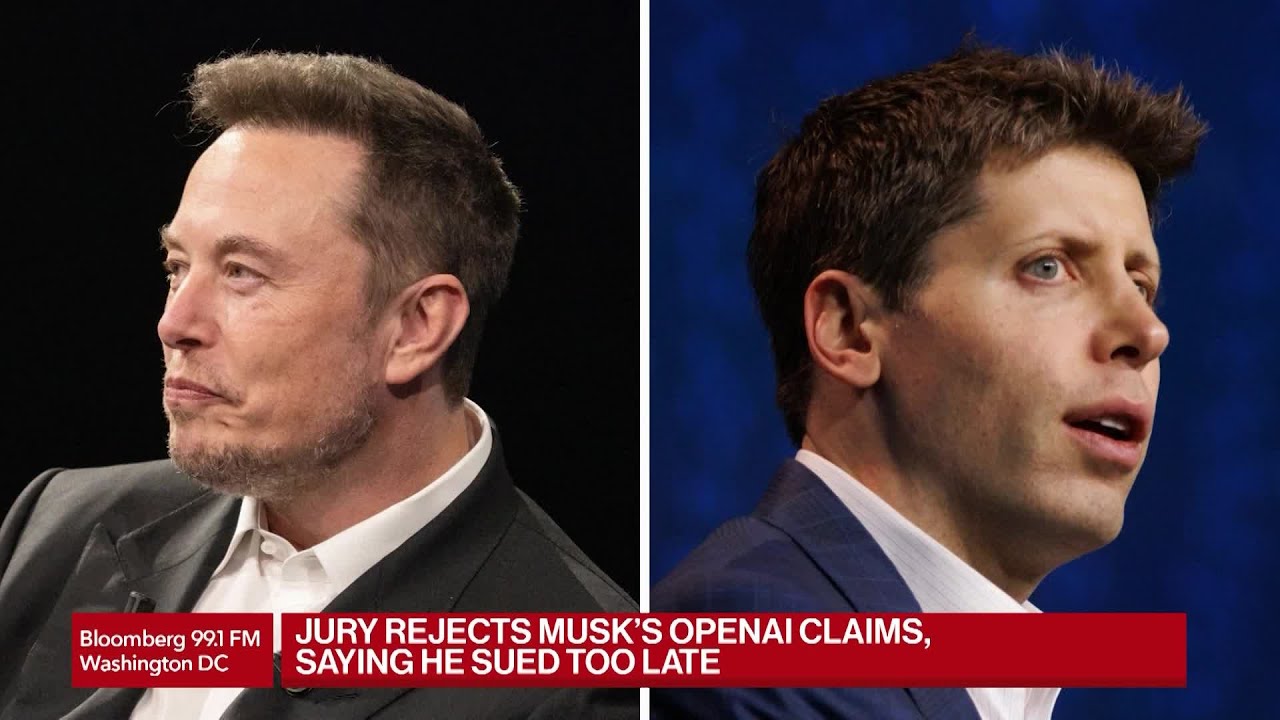
From the article 6 mentionsA significant legal battle has concluded with a jury siding against Elon Musk in his lawsuit seeking to force a fundamental overhaul of OpenAI.
OpenAI's defenseContext
Company argued Musk's claims were filed too late
From the article 9+ mentionsHowever, as Schettenhelm noted, overturning a jury's finding on a statute of limitations defense is typically a challenging legal endeavor.
Jury's verdictOutcome
Jury ruled Musk sued too late to force overhaul
From the article 9 mentionsThe jury's verdict, delivered on Friday, found that Musk waited too long to bring his claims, effectively dismissing his case and allowing OpenAI to continue its current trajectory without the constraints he sought to impose.
Lawsuit rejectedOutcome
Musk's case dismissed, allowing OpenAI's current trajectory
From the article 3 mentions"We're looking at a lawsuit that didn't bring into much after that...
OpenAI's futureEffect
Company gains stability to pursue advanced AI development
From the article 9+ mentionsThe outcome of this case could influence how future disputes involving the evolution of tech companies from non-profit to for-profit entities are handled.
Musk's next stepsContext
Legal battle concluded, Musk to consider future actions