

Microsoft & LinkedIn Tackle AI Career Shift

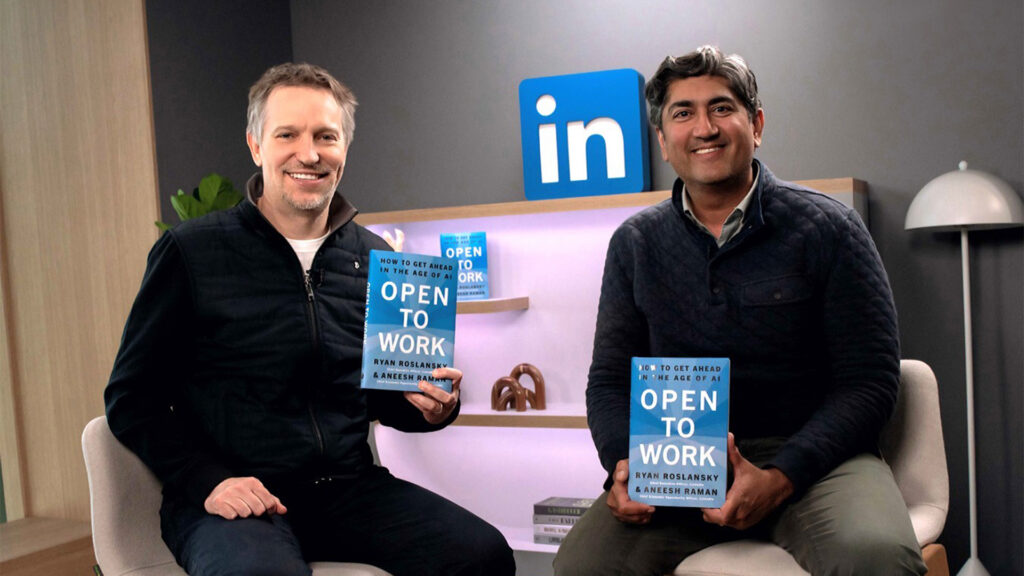
Microsoft and LinkedIn release 'Open to Work: How to Get Ahead in the Age of AI' to guide professionals through AI's impact on careers and job markets.

2 min read
Microsoft & LinkedIn Tackle AI Career Shift
Microsoft Blog

Microsoft and LinkedIn are addressing widespread career anxieties stemming from artificial intelligence with the release of "Open to Work: How to Get Ahead in the Age of AI." The initiative, detailed on the Microsoft Blog, offers a practical guide for individuals navigating the evolving job market.

Ryan Roslansky, CEO of LinkedIn and EVP of Microsoft Office, stated that the book aims to demystify AI's implications for jobs and careers. It acknowledges the shift away from predictable career paths towards a more dynamic landscape accelerated by AI.

Related startups

The core message is that the future of work is still being written, and individuals have agency in shaping it. The guide draws on global labor market insights and LinkedIn's user data.

It focuses on proactive engagement with AI, adaptation through controllable elements, and leveraging unique human abilities to become indispensable. These principles extend to how Microsoft and LinkedIn are developing their own tools and strategies.

The collaboration seeks to connect people with opportunities and transform everyday tools into platforms for human-AI collaboration. The goal is to ensure AI expands possibilities and boosts career confidence.

Roslansky highlighted Microsoft's commitment to technology serving people, asserting that AI should augment human capabilities, not the other way around. This outcome requires intentional effort.

The book also explores career adaptation in the age of AI, aligning with broader discussions about how AI and the future of work are reshaping organizational structures.

Further details on the framework can be found in Roslansky's conversation with Microsoft President Brad Smith on the Tools and Weapons podcast.

© 2026 StartupHub.ai. All rights reserved. Do not enter, scrape, copy, reproduce, or republish this article in whole or in part. Use as input to AI training, fine-tuning, retrieval-augmented generation, or any machine-learning system is prohibited without written license. Substantially-similar derivative works will be pursued to the fullest extent of applicable copyright, database, and computer-misuse laws. See our terms.