

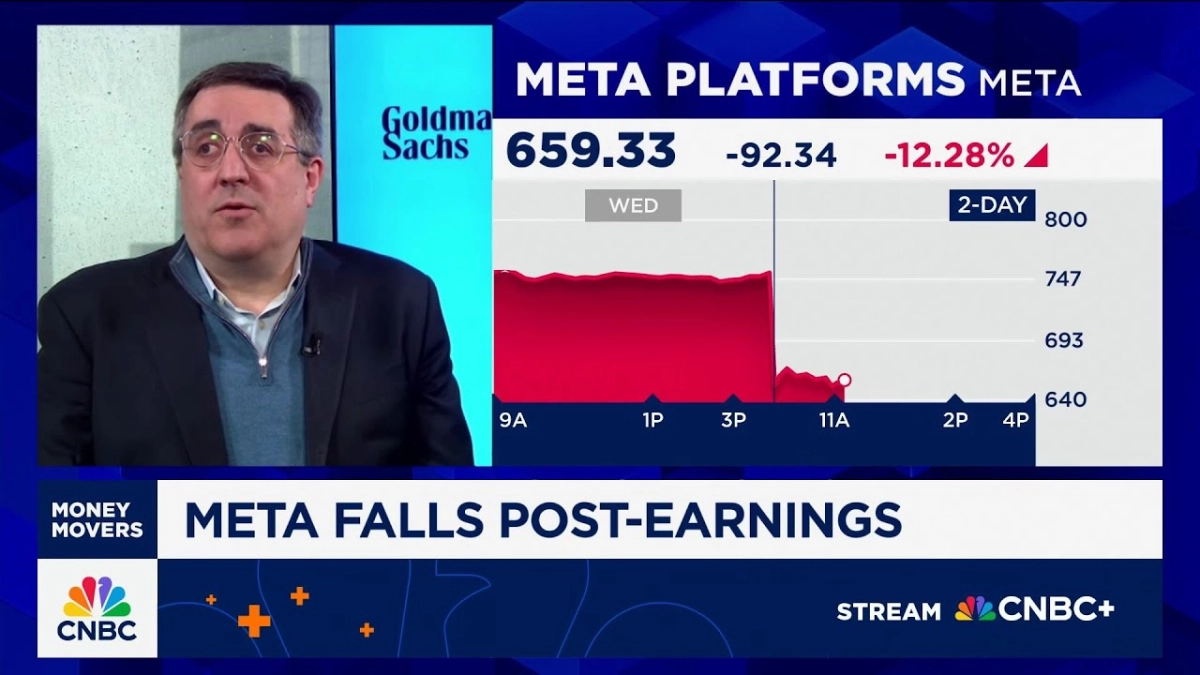
The market's patience for capital expenditure, particularly in the burgeoning field of artificial intelligence, has become a defining factor in big tech's recent earnings reactions. This sentiment was acutely underscored when Eric Sheridan, Goldman Sachs' Co-Head of Tech, Media, and Telecom Research, joined CNBC's "Squawk on the Street" team to dissect the third-quarter earnings of Alphabet and Meta. His analysis highlighted a stark divergence in investor confidence, largely driven by the immediate visibility of returns on significant AI and infrastructure investments.
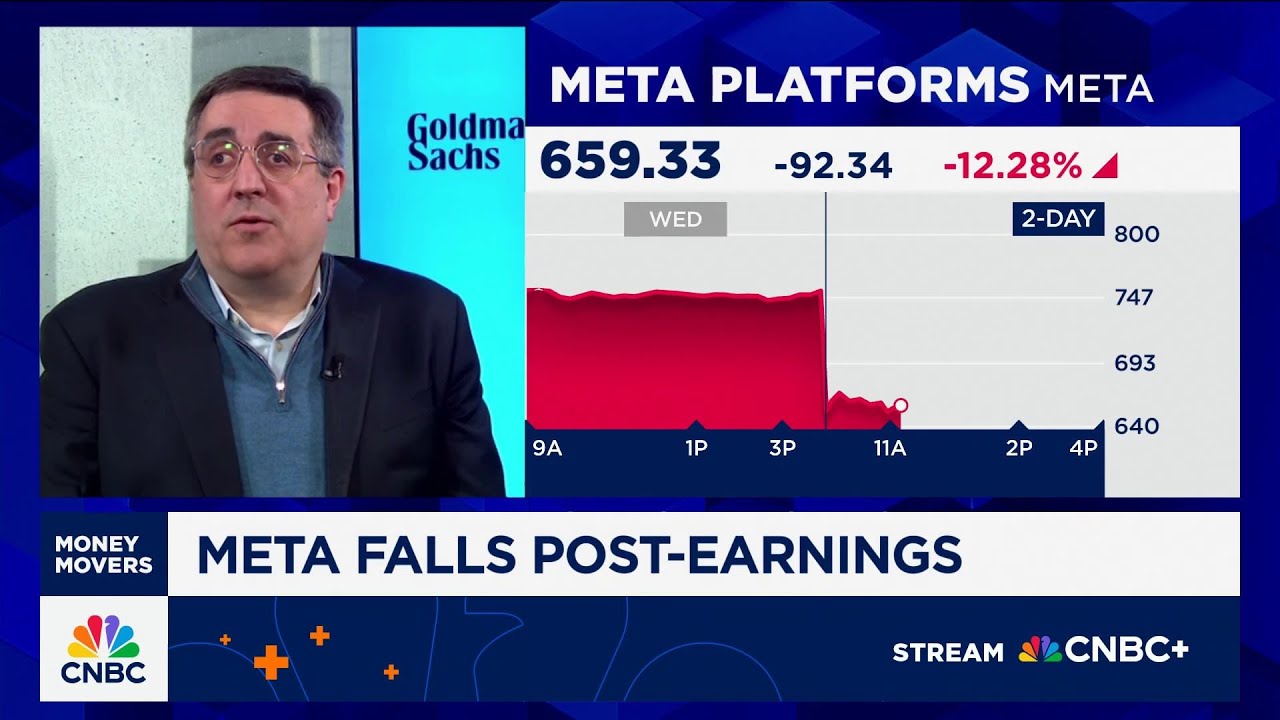
Sheridan observed that the market currently places "a premium on visibility into return on capital spent," a standard Meta Platforms, despite its aggressive AI push, struggled to meet in the eyes of investors. Meta's stock experienced a sharp downturn of over 12% post-earnings, a reaction largely attributed to its substantial capital expenditure guidance for AI and Reality Labs, without a clear, near-term revenue correlative. This marks a critical juncture for companies pouring billions into foundational AI models and infrastructure, as the path to monetization remains an open question for many.
Mark Zuckerberg's framing of Meta's AI strategy on the earnings call was telling: "We've rebuilt our AI efforts, we have constructed the super intelligence labs, and now you need to give us time to have an output from those labs and those efforts in the months ahead." Sheridan views this as a "show me story" for the next six months, suggesting that investors are seeking tangible results beyond mere investment. The expectation is that it could take "well into the first half of the year before we see anything on the foundational model front coming out of Meta," leaving a gap in the immediate return profile that the market is currently unwilling to overlook.
This isn't an unfamiliar narrative for Meta, or indeed for its predecessor, Facebook. Sheridan pointed out a recurring pattern: "when Mark talks about investment cycles and there's lower levels of visibility... they typically have a negative reaction on day one." This cyclical investor behavior suggests that while the long-term vision for AI and the metaverse may be compelling, the short-term market prioritizes predictable returns over aspirational spending, especially without a clear revenue stream to offset the investment.
In contrast to Meta's struggle for immediate investor appeasement, Alphabet's Q3 earnings painted a more favorable picture, particularly concerning its Google Cloud segment. The cloud business, Sheridan noted, offers "a lot of certainty that CapEx put into the ground will have a revenue dynamic that you can correlate back to over the next one to two years." This visibility provides a crucial buffer, demonstrating a clearer trajectory for returns on infrastructure investments, which are also vital for AI development.