

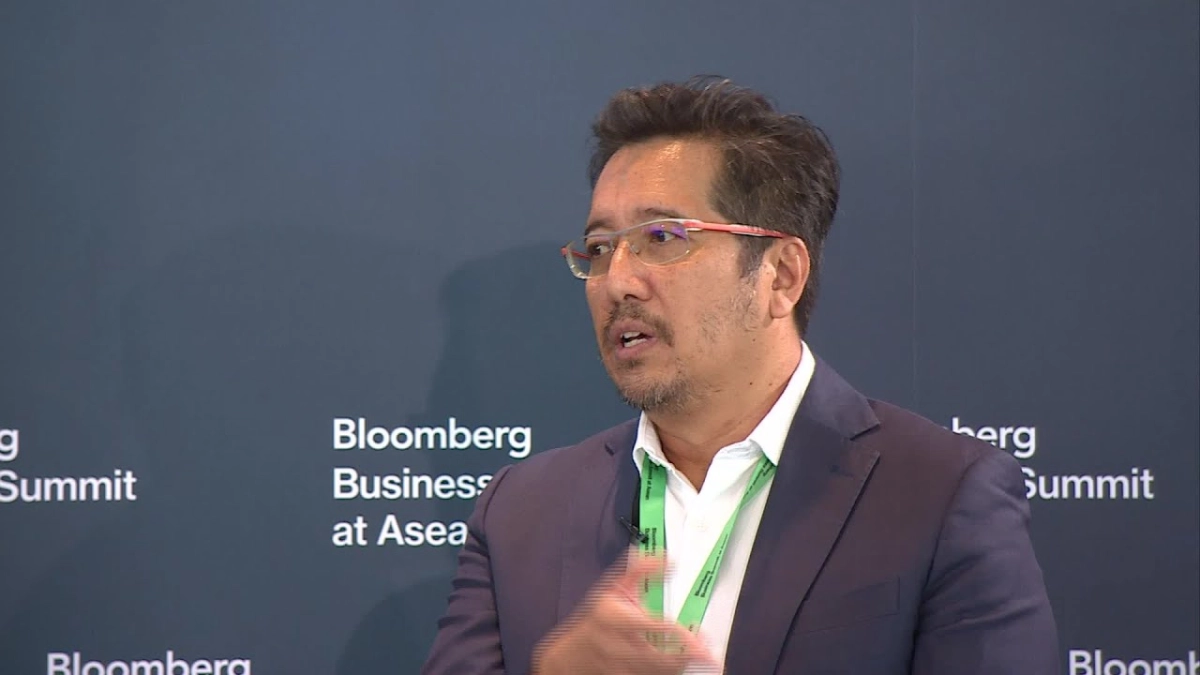
The popular perception of artificial intelligence, often limited to the immediate utility of tools like ChatGPT for tasks such as drafting emails or summarizing articles, barely scratches the surface of its true potential. This was the opening observation by Bloomberg’s Mark Dawson during his interview with Sam Majid, CEO of the National AI Office of Malaysia, at the Bloomberg Business Summit at Asean in Kuala Lumpur. Majid swiftly pivoted from this individual-centric view to articulate Malaysia's expansive national agenda for AI, emphasizing its role as a fundamental societal transformer.
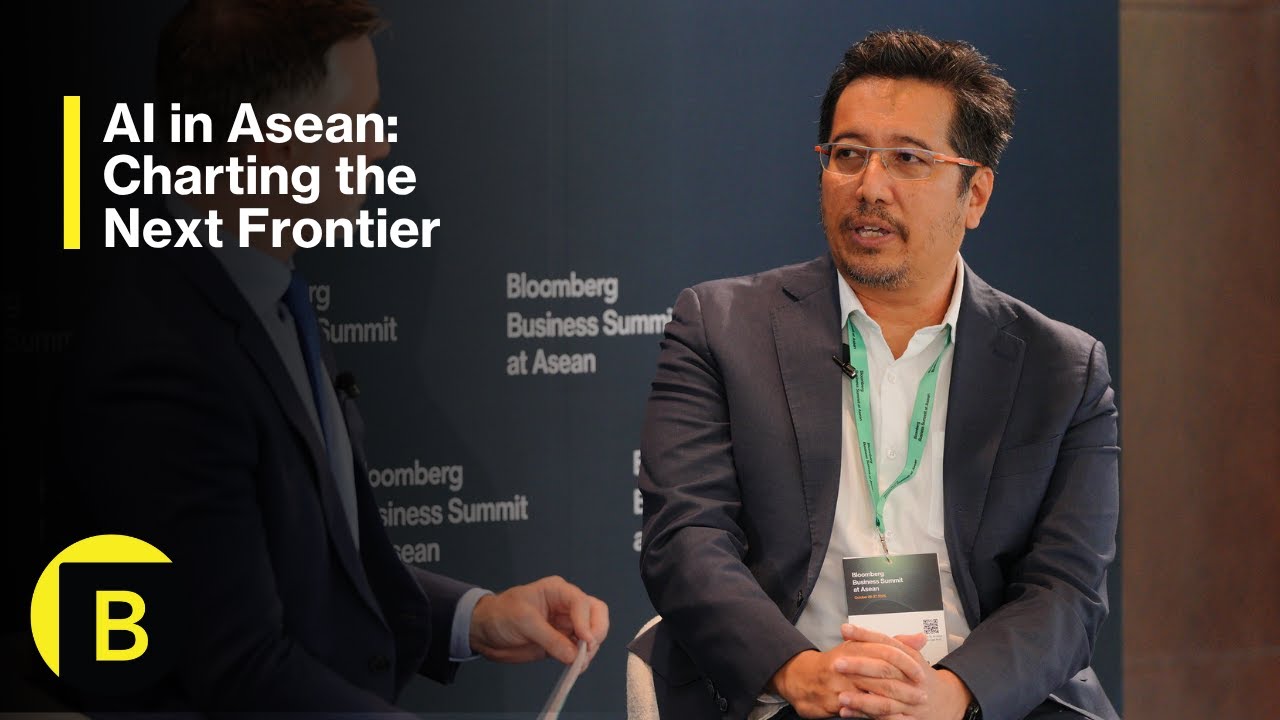
Sam Majid spoke with Mark Dawson about the future of AI in the region, the policies shaping its development, and the opportunities and risks ahead. The conversation quickly moved beyond the consumer-facing applications of AI, delving into how Malaysia envisions leveraging this technology to augment national capabilities and uplift various sectors and professions.
Majid highlighted that Malaysia's ambition extends far beyond simple conversational AI. "What you mentioned is the reflection from an individual," Majid noted, underscoring the shift in perspective. He continued, "What we in Malaysia are aspiring for... is to bring it into a national agenda, a national outlook. What does it mean for a teacher? What does it mean for an engineer, for a lawyer... it's about augmenting capabilities." This core insight frames AI not merely as a tool for personal efficiency but as a strategic national asset capable of enhancing human potential across the board. The goal is to empower every citizen, from teachers to engineers, to leverage AI for improved performance and deeper insights in their respective fields.
The Malaysian National AI Office, established in December last year, has been tasked with identifying six key sectors for AI integration: education, public sector, transportation, agriculture, and SMEs. The overarching strategy is not to seek a single "biggest impact" area, but rather to foster a compounding, multiplier effect across all these domains. This comprehensive approach aims for both economic uplift and significant societal benefits, including safety and security.
A critical component of Malaysia’s national AI strategy is the responsible deployment and governance of the technology. Majid expressed a clear concern: "We don't want the same situation that we got from social media. You know, a lot of abuse and a lot of scam. We don't want that." This reflects a proactive stance to prevent the pitfalls of unchecked technological advancement, focusing on ethical guidelines and robust data governance from the outset. The upcoming National AI Action Plan 2030, a five-year playbook, will echo these aspirations, aligning with the 13th Malaysia Plan's vision of becoming an "AI nation" by 2030.
The Action Plan focuses on three key levers: good governance for responsible AI use, raising the ceiling by augmenting individual capabilities through AI, and raising the floor to ensure no one is left behind, regardless of their location or access to advanced devices. This inclusive vision aims to bring the benefits of AI to even the most remote areas, improving daily lives. For instance, AI could revolutionize urban living by optimizing traffic flow through real-time data from CCTV and sensors, providing dynamic navigation advice to commuters.
Beyond merely consuming off-the-shelf AI solutions, Malaysia is committed to fostering homegrown talent and capabilities. Majid pointed out the paradox: "It's not good enough to have technology that we can take off the shelf, but do we have the pipeline of people in the country building up the next level, the next layer of sophistication and features?" This highlights the necessity of developing a skilled workforce capable of not just utilizing but also creating and innovating with AI. The aim is to transition the existing workforce, with an estimated 660,000 jobs already affected by AI, and cultivate a future workforce that is AI-native.
A significant cultural aspect of this development is the focus on local language models. Malaysia recognizes the importance of preserving its unique cultural identity amidst global AI advancements. "It's essential for Bahasa Melayu to have this capability because of the reason that we have Bahasa Indonesia right next door," Majid stated, emphasizing the sheer scale of the Bahasa-speaking population. He warned that without a homegrown Malay Large Language Model (LLM), chatbots might default to Indonesian responses, potentially diluting Malaysian cultural nuances. This initiative extends to other ethnic languages within Malaysia, ensuring that AI development is culturally sensitive and representative.
Related Reading
Malaysia is also actively engaging in international collaboration, particularly within ASEAN, to address the broader implications of AI. The country has proposed the creation of an ASEAN AI Safety Network, a collaborative effort to establish safety institutes and standards across the region. This foresight underscores Malaysia's commitment to not just national progress but also regional stability and responsible technological stewardship. The development of an AI governance bill, expected by the third quarter of next year, will further solidify Malaysia's framework for responsible AI deployment.
Majid concluded by emphasizing the need for early exposure to responsible AI use, akin to teaching children to ride a bicycle safely. This proactive educational approach, coupled with a strategic national vision and a commitment to local innovation and ethical governance, positions Malaysia to navigate the AI revolution with purpose and achieve significant economic and societal uplift.

