

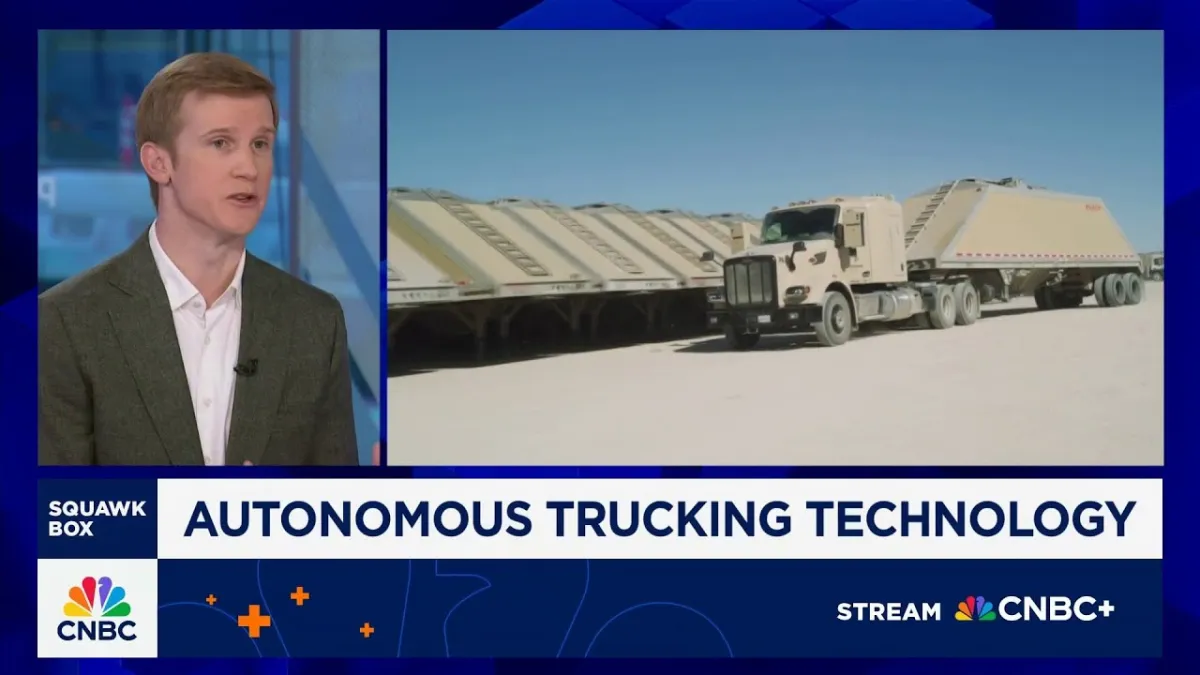
The future of logistics is being redefined by artificial intelligence, transforming the traditional landscape of freight movement. Don Burnette, founder and CEO of Kodiak AI, recently joined CNBC’s Squawk Box to illuminate the tangible progress and strategic vision behind autonomous trucking technology. His discussion with the CNBC anchors delved into the operational realities, safety protocols, and business model innovations that are steering the industry towards a driverless horizon.
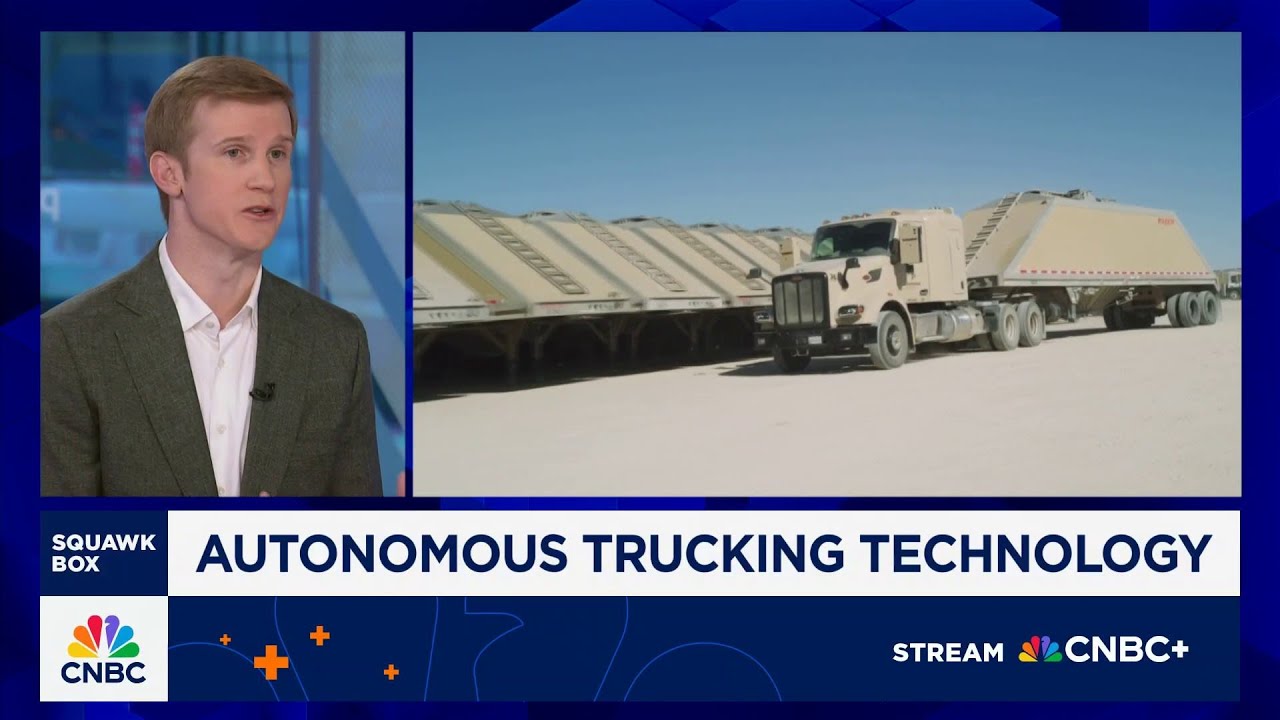
Burnette highlighted that the trucking sector, a foundational pillar of the American economy, has long grappled with chronic driver shortages and inherent challenges faced by human operators on the road. Kodiak AI’s mission, therefore, centers on automating these heavy-duty vehicles with sophisticated AI, enabling them to operate effectively on their own. The company has already achieved significant milestones, deploying eight fully driverless trucks in West Texas for Atlas Energy Solutions. These trucks navigate open roads, encountering a diverse range of traffic, including other heavy vehicles, oncoming traffic, and even pedestrians, a testament to the advanced capabilities of their autonomous systems.
A paramount concern for any autonomous vehicle deployment is safety, and Burnette emphasized this as Kodiak AI's "first priority." The trucks are meticulously programmed for conservative operation, adhering strictly to speed limits, maintaining the right-hand lane, and executing passes with extreme caution when conditions permit. They are designed to be perpetually attentive, possessing a 360-degree awareness of their surroundings, a stark contrast to human drivers who can experience fatigue or distraction. This relentless vigilance contributes significantly to their safety record.
Kodiak AI has not recorded any at-fault accidents with its driverless trucks, though Burnette acknowledged instances where their trailers have been struck by other vehicles. This reality underscores the unpredictable nature of shared roadways. In such events, the autonomous trucks are engineered to detect collisions and safely pull over. A 24-hour monitoring system, staffed by human operators, then reviews the comprehensive data logged by the truck's cameras, lidar, and radar systems, facilitating communication with law enforcement and appropriate incident management. This robust data capture mechanism ensures accountability and provides invaluable insights for continuous improvement.
The company operates on a "Driver-as-a-Service" model, a crucial differentiator in the capital-intensive autonomous vehicle space. Rather than owning and operating vast fleets of trucks, Kodiak AI focuses on providing the enabling technology, the hardware, sensors, and computing power, that transforms conventional trucks into autonomous units. Their customers, who own and manage their own vehicles, then pay Kodiak a service fee for the autonomous driving capability. This asset-light approach allows Kodiak to scale its technology without the prohibitive capital expenditure associated with vehicle acquisition and maintenance.