

Joe Lonsdale on NASA's Mission Cadence

Joe Lonsdale stresses NASA's need for a faster lunar mission cadence, drawing parallels to the space race and the importance of competition for technological advancement.

3 min read
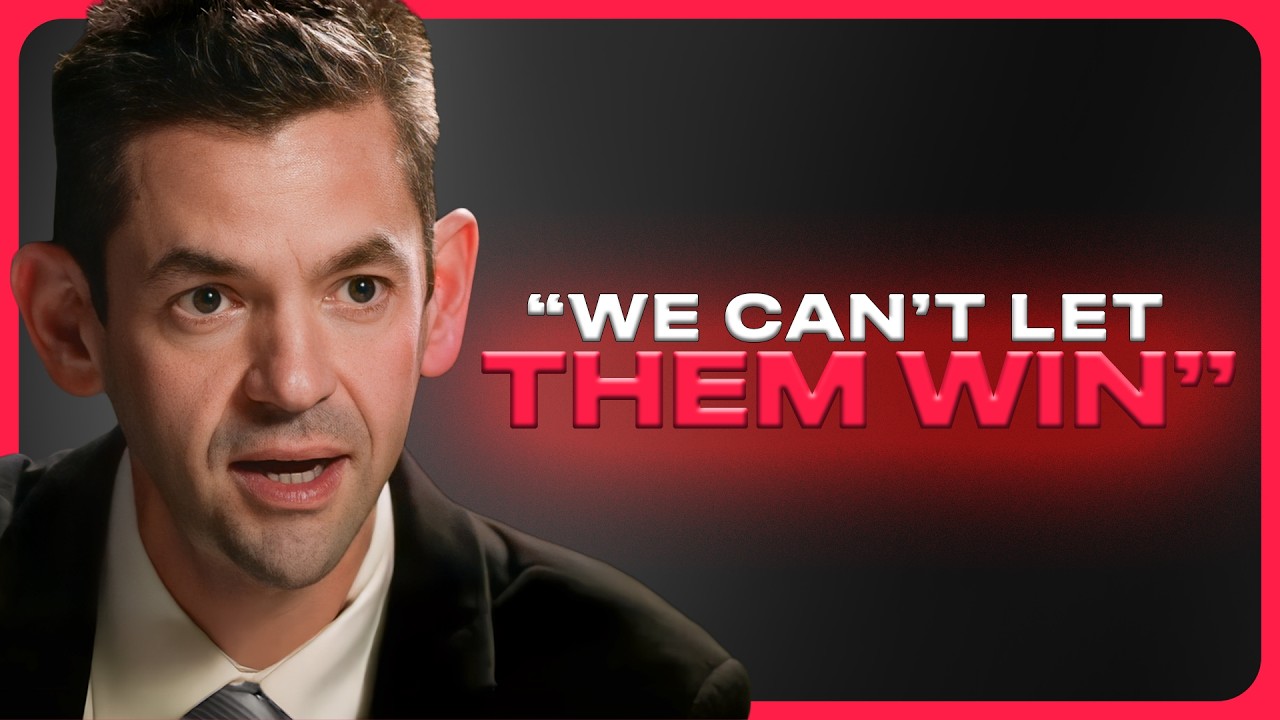
Joe Lonsdale speaking into a microphone with an American flag in the background.
NASA's Warning: We Are 1 Year From Losing the Moon — Joe Lonsdale on YouTube

In a recent discussion, venture capitalist and entrepreneur Joe Lonsdale emphasized the need for NASA to significantly increase its launch cadence for lunar missions. Lonsdale, a co-founder of Palantir Technologies and founder of the venture capital firm 8VC, argued that the current pace of lunar exploration is insufficient to establish a sustainable presence and drive the necessary innovation.

Lonsdale drew a stark comparison to the urgency of the original space race, highlighting that the United States' current approach to lunar missions lacks the competitive drive needed to achieve ambitious goals. He pointed out that the current cadence of roughly one launch every three to four months is too slow, suggesting that a more appropriate pace for achieving a sustainable lunar presence would be a launch every ten months.

The Urgency of a Faster Launch Cadence

Lonsdale articulated that the slow pace of current lunar missions is a critical bottleneck. "We have no choice, in hindsight, against the Soviets, we had unlimited schedule margin," he stated, implying that the current geopolitical and technological landscape demands a more aggressive approach. He stressed that to truly advance, "We have to get moving and sometimes having that kind of competition is the forcing function you need."

The full discussion can be found on Joe Lonsdale's YouTube channel.
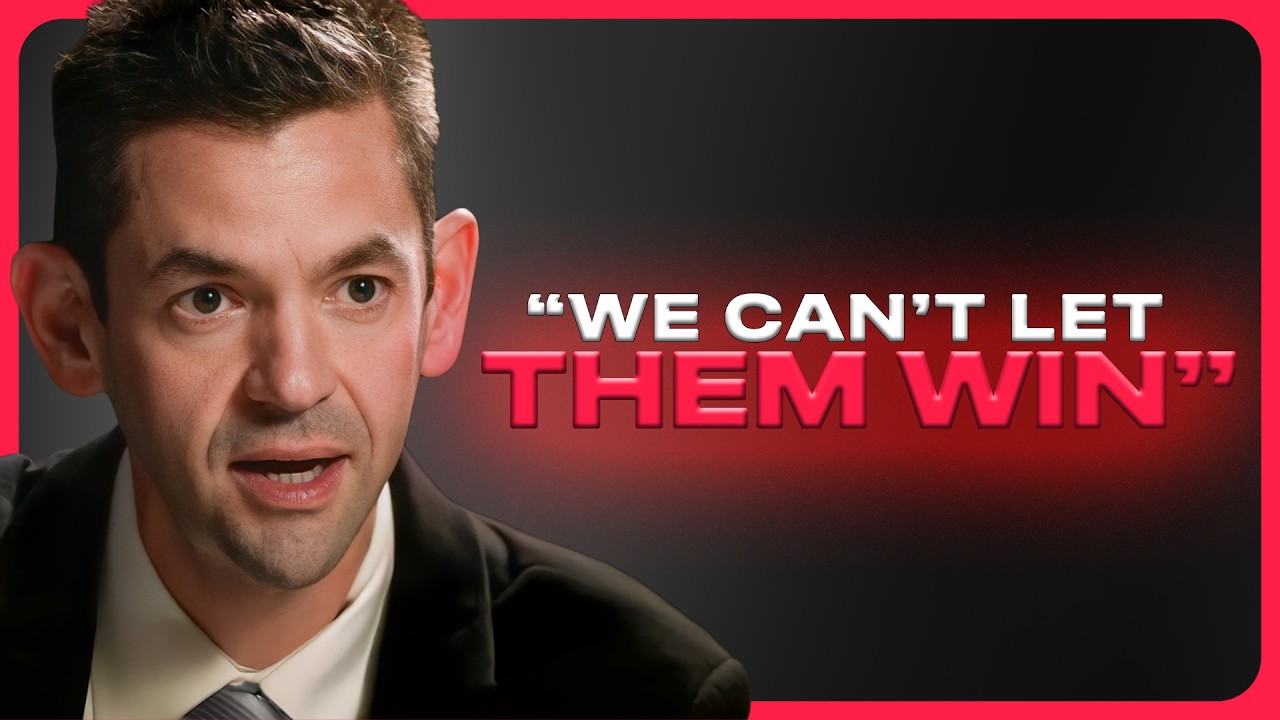
NASA's Warning: We Are 1 Year From Losing the Moon - Joe Lonsdale
NASA's Warning: We Are 1 Year From Losing the Moon — from Joe Lonsdale

The core of Lonsdale's argument centers on the idea that a faster, more consistent launch schedule is not just desirable but essential for progress. He believes that by increasing the frequency of missions, NASA and its partners can accelerate learning, refine technologies, and build momentum towards more complex objectives, such as establishing a lunar base or venturing to Mars.

Investing in the Future: Nuclear Propulsion and Talent

Beyond the cadence of missions, Lonsdale also touched upon the importance of investing in advanced technologies. He specifically mentioned nuclear power and propulsion as key areas that the industry needs to focus on. "We're going to build new nuclear power and propulsion what industry can't do because they have other things to worry about. We should be doing the nuclear mission," he posited. This highlights a belief that ambitious, frontier technologies require dedicated focus and investment, often driven by national strategic goals.

Lonsdale also discussed the challenge of attracting and retaining talent in the space sector. He suggested that the key to this lies in offering compelling, world-changing problems to solve. "You do what no one else is capable of doing, which is what NASA was created to do in the first place," he explained. This implies that the allure of groundbreaking work is a significant draw for top engineers and scientists.

Learning from the Past, Building for the Future

Referencing historical successes like the Apollo program, Lonsdale implied that the current strategy for space exploration is not living up to the ambitious spirit of past achievements. He noted that while past missions were groundbreaking, the pace of development and learning has slowed considerably. "It's a little embarrassing that it's 60 years later and we're like, 'We're going to be the first ones to do it again'" he remarked, suggesting a lack of significant advancement in the intervening decades.

Lonsdale's perspective underscores a need for a paradigm shift in how space exploration is approached. He advocates for a more entrepreneurial, competitive, and rapid-iteration model, drawing lessons from the past to inform future strategies. The focus on increasing launch cadence, developing advanced propulsion, and attracting top talent are all interconnected elements of a vision for a more dynamic and successful space program.