

Joe Lonsdale on Milken's Prosecution & the "Myth"

Joe Lonsdale discusses Richard Sandler's book on Michael Milken's prosecution, exploring the power of prosecutors and the complexities of financial markets.

4 min read
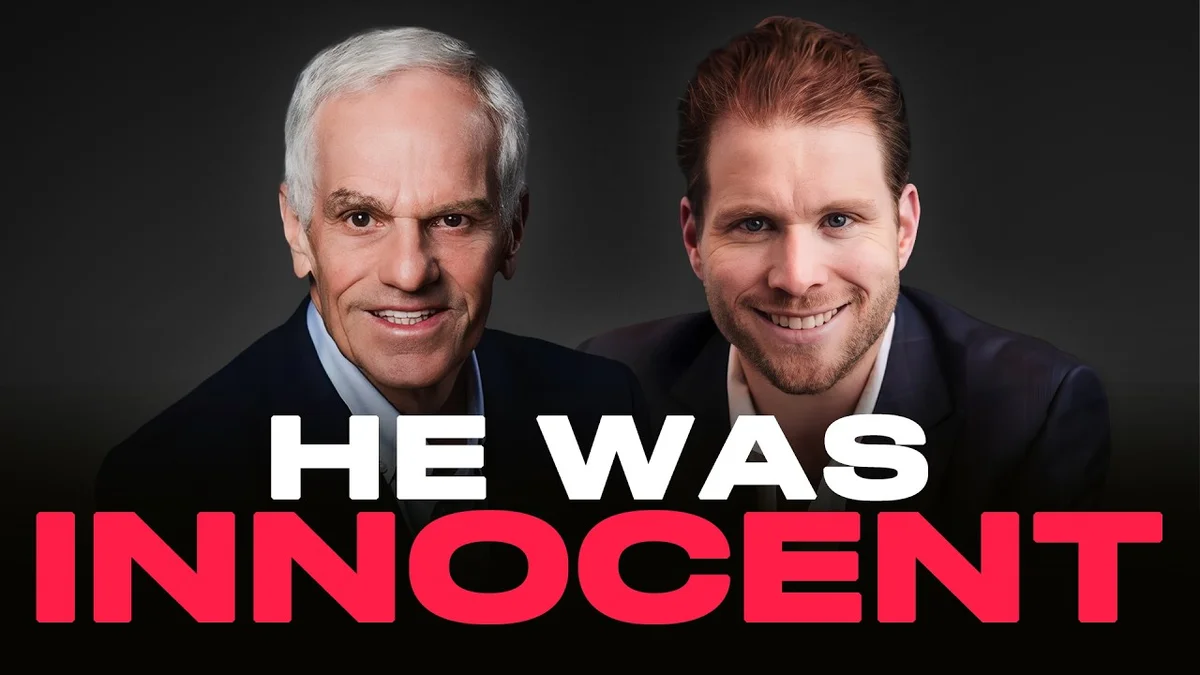
Joe Lonsdale speaks about the Michael Milken prosecution.
Image credit: Joe Lonsdale's official media· Joe Lonsdale

In a recent interview, venture capitalist and author Joe Lonsdale delved into the intricacies of the Michael Milken prosecution, drawing parallels to contemporary issues of power and justice. Lonsdale, a partner at the firm of Moraine and Sandler, and author of "Witness to a Prosecution: The Myth of Michael Milken," shared his insights into a case that continues to resonate decades later.

Lonsdale's personal connection to the financial world and its prominent figures is evident. He has a history of working with visionary leaders and has been involved in significant financial ventures. His background as a lawyer and his current role as an executive vice president and trustee of the Milken Family Foundation provide him with a unique vantage point to discuss the legacy and impact of Michael Milken.

The Rise of High-Yield Bonds and Milken's Role

Lonsdale explained the significance of high-yield bonds, often referred to as "junk bonds," which Michael Milken and Drexel Burnham Lambert pioneered. In the 1970s, the market for these bonds was relatively small, estimated at around $70 billion. By the late 1980s, thanks to Milken's efforts, it had ballooned to over $700 billion. This massive growth was fueled by Milken's ability to identify and finance companies that traditional lenders overlooked, often those in emerging or turnaround situations.

Related startups

The full discussion can be found on Joe Lonsdale's YouTube channel.
From Wall Street King to Federal Prison: Michael Milken's Story - Joe Lonsdale
From Wall Street King to Federal Prison: Michael Milken's Story — from Joe Lonsdale

Milken's innovative approach to financing allowed many companies that could never have secured capital before to grow and thrive. This democratization of capital, as Lonsdale described it, was a key factor in the booming economy of the era. Companies like MCI, Turner Broadcasting, and even early tech ventures benefited from Milken's ability to raise funds, fundamentally changing how businesses were financed.

The Prosecution and "The Myth"

Despite Milken's success in revolutionizing the financing sector, he faced intense scrutiny from government prosecutors. Lonsdale's book, "Witness to a Prosecution," aims to explore the narrative surrounding Milken's downfall, suggesting that the prosecution might have been driven by factors beyond simple adherence to the law.

Lonsdale highlighted that a key aspect of his book is to challenge the prevailing narrative, or "myth," surrounding Milken. He explained that by definition, anyone targeted by a criminal investigation is presumed to have done something wrong. However, Lonsdale suggests that the aggressive tactics employed by prosecutors, such as leveraging the cooperation of witnesses and offering immunity in exchange for testimony against the accused, can create a flawed system. He noted that his own experiences as a lawyer in white-collar criminal defense showed him how the power of the government can be immense and, at times, overwhelming for defendants.

The Danger of Prosecutorial Power

Lonsdale stressed the immense power wielded by prosecutors, particularly in their ability to indict individuals and influence public perception. He pointed out that the very act of being indicted can tarnish a reputation, regardless of the eventual outcome of the case. In Milken's situation, Lonsdale believes that the prosecution team, driven by political ambition and a desire to make a high-profile case, may have overstepped boundaries.

He cited the fact that Milken was ultimately indicted on six felony counts, even though his lawyers argued he had no inside information and was not involved in any illegal activity. Lonsdale suggested that the prosecution's tactics were designed to pressure Milken into a plea deal, leveraging the threat of severe penalties to secure a conviction.

The Importance of Due Process and Fair Representation

Lonsdale emphasized the importance of due process and the right to a fair trial. He argued that the legal system should not be used as a tool for political gain or to target individuals based on their success or influence. The case of Michael Milken, he suggested, serves as a cautionary tale about the potential for abuse of power within the justice system and the critical need for robust defense and fair representation.

The discussion also touched upon the broader implications for entrepreneurs and business leaders, highlighting the importance of understanding the legal and regulatory framework within which they operate. Lonsdale's perspective underscores the delicate balance between innovation and accountability in the financial world.

© 2026 StartupHub.ai. All rights reserved. Do not enter, scrape, copy, reproduce, or republish this article in whole or in part. Use as input to AI training, fine-tuning, retrieval-augmented generation, or any machine-learning system is prohibited without written license. Substantially-similar derivative works will be pursued to the fullest extent of applicable copyright, database, and computer-misuse laws. See our terms.