

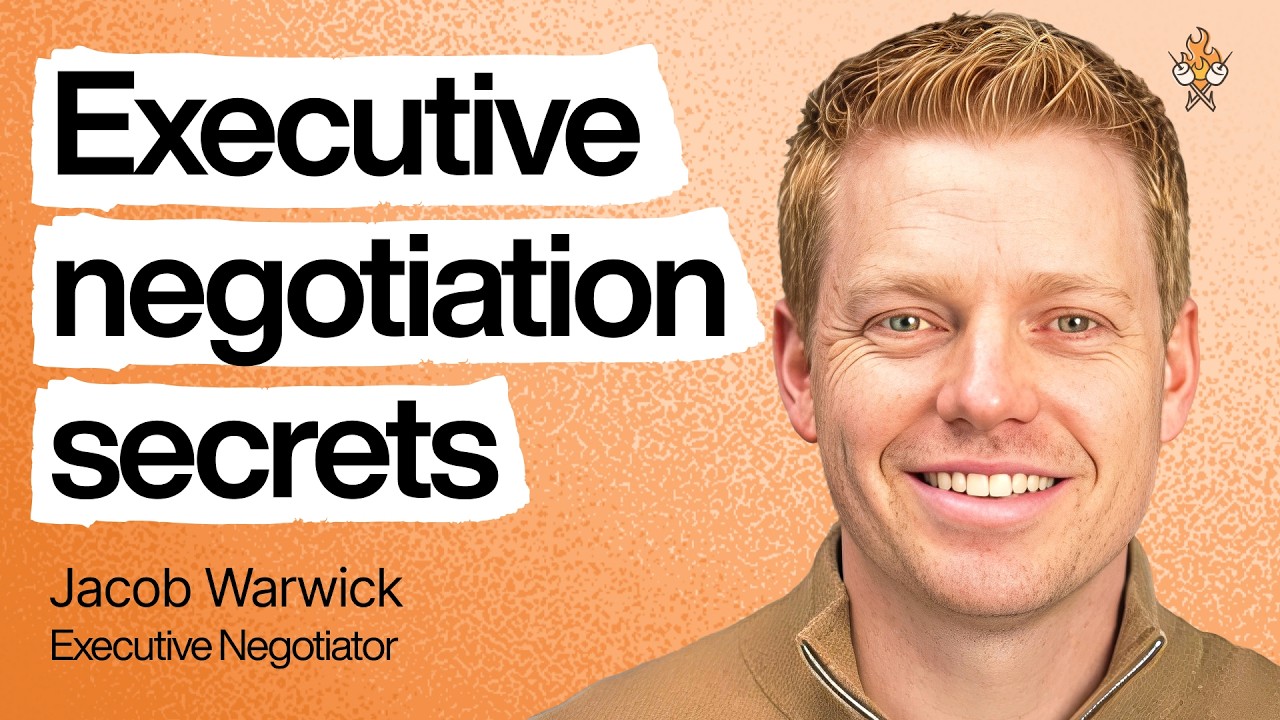
Jacob Warwick, a professional negotiator who has advised senior tech executives, athletes, and Hollywood celebrities, recently shared his insights on effective compensation negotiation. In a podcast appearance, Warwick emphasized that negotiation is a skill that can be learned and honed, rather than an innate talent. He highlighted the importance of understanding one's value and confidently articulating it, while also advising against the common mistake of hiding behind the easiest communication channel, such as email, for important discussions.
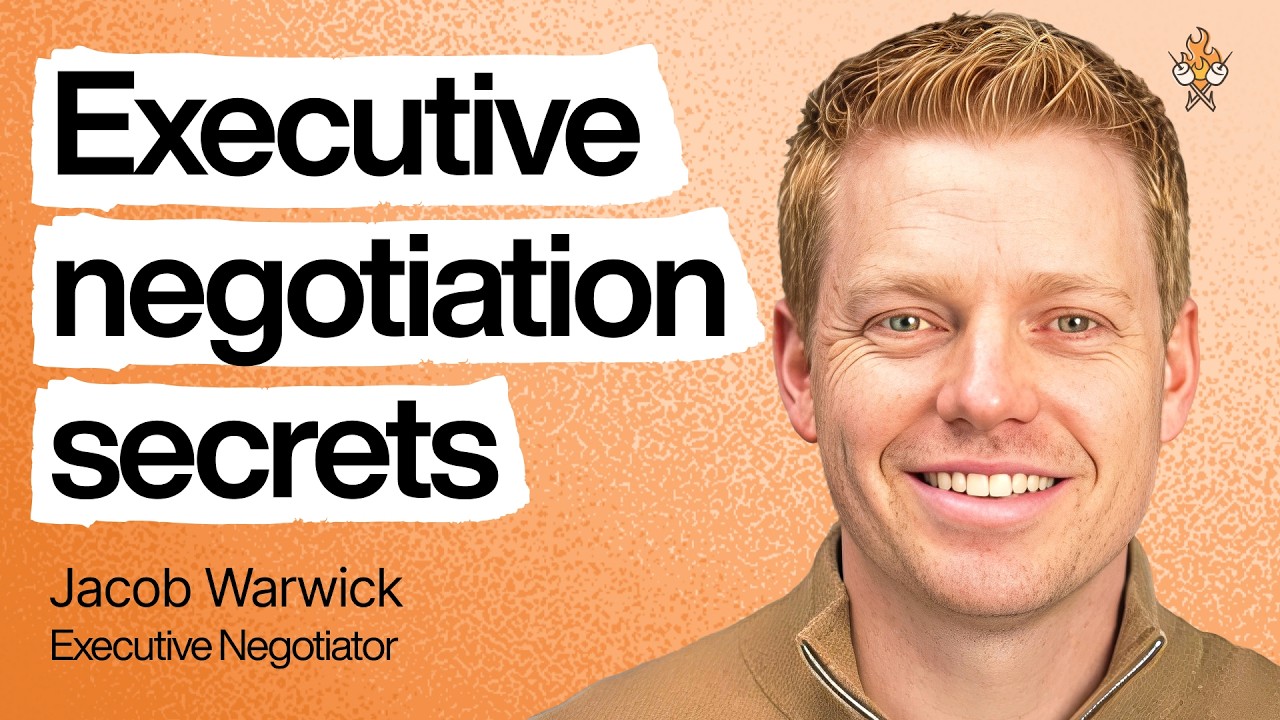
Who Is Jacob Warwick?
Jacob Warwick is a professional negotiator with extensive experience working with high-profile clients across various industries. His clientele includes senior tech executives, professional athletes, and Hollywood celebrities. Warwick specializes in helping these individuals navigate complex career negotiations, covering compensation, bonuses, investments, mergers, acquisitions, and enterprise sales deals. His success is evident in the outcomes he has helped his clients achieve, including saving multi-million dollar franchises and securing significant financial improvements for top talent.
The Psychology of Negotiation: Understanding Value and Leverage
Warwick underscored that a key aspect of successful negotiation is understanding the value one brings and the leverage that value creates. He noted that companies, especially those that are highly profitable, have significant leverage over individuals because they know what others are making and what similar roles command in the market. To counter this, individuals must understand the value they create for the company. Warwick advises, "You have to understand what value you can create. If you understand that value, you can have that conversation with confidence."
He also touched upon the common fear of appearing greedy or demanding, which often leads people to under-negotiate. Warwick's philosophy is to make the value proposition clear: "Here's the pain I will solve for you, and here's why it's worth paying me this much more." This approach shifts the focus from a personal request to a business solution, making it easier for the other party to accept.
Key Negotiation Tactics and Pitfalls
Warwick outlined several critical tactics and common mistakes in negotiation.
A common mistake he identified is people hiding behind the easiest communication channel. For instance, sending an email with demands like a 20% raise, more PTO, and a company car is often less effective than a direct conversation. Warwick explained, "The problem with that is I can't control tone. If I push back and the CEO reads it, and they're in the security line and pissed off, and they read it, they might be like, 'That bastard wants more money.'" This highlights the importance of in-person or video communication for sensitive negotiations.
He also advised against being afraid to ask for more. Many people, particularly in earlier career stages or less senior roles, are hesitant to negotiate, fearing it might jeopardize their offer or lead to a negative perception. However, Warwick pointed out that companies often expect negotiation and have built flexibility into their compensation packages. He stated, "A lot of people listening to this are just afraid to ask for more. I'm going to come across as greedy, it's all going to fall apart." His counter-argument is that when considering the company's overall profits, a reasonable request for increased compensation is unlikely to be seen as greedy.
The Importance of Value Proposition and Collaboration
Warwick stressed that the most effective negotiations are those where the individual can clearly articulate their value proposition and how they will solve specific problems for the company. This involves understanding the company's needs and demonstrating how one's skills and contributions directly address those needs. He emphasized that negotiation doesn't have to be confrontational; it can be a collaborative process focused on finding mutually beneficial terms.
He also shared a crucial insight: "What's the chance there could be a little more? That's not greedy at all." This perspective encourages individuals to explore possibilities beyond the initial offer, as companies often have room to negotiate, especially for top talent.
Common Mistakes to Avoid in Negotiation
Warwick identified several common errors people make when negotiating compensation:
- Not asking for enough: Many people are afraid to negotiate and accept the first offer, leaving money on the table.
- Using the wrong communication channel: Relying solely on email for important requests can lead to misinterpretation and reduced effectiveness.
- Failing to understand their own value: Not having a clear articulation of the value they bring to the company.
- Being overly aggressive or confrontational: This can damage relationships and hinder the negotiation process.
- Not preparing adequately: Going into a negotiation without research or a clear strategy.
He also highlighted the importance of knowing when to push and when to hold back, emphasizing that a successful negotiation is often about finding the right balance and building rapport.
The Role of Data and Preparation
Warwick's advice consistently points towards thorough preparation. This includes researching market rates, understanding the company's financial health, and having concrete examples of one's contributions and achievements. When clients are hesitant to ask for more, he reminds them that "companies that are growing and succeeding are usually willing to pay for talent that drives that success."
He cited examples of clients who, by leveraging his strategies, secured significant increases in their compensation packages, often ranging from 40% to over 200% of the initial offer. These successes demonstrate the power of informed and strategic negotiation.
Final Thoughts: Negotiation as a Skill
Ultimately, Jacob Warwick's message is one of empowerment. He encourages individuals to view negotiation not as a battle, but as a structured conversation where understanding value, clear communication, and strategic preparation are key. By adopting a collaborative mindset and focusing on the value they bring, individuals can navigate compensation discussions more effectively and achieve better outcomes for their careers.


