

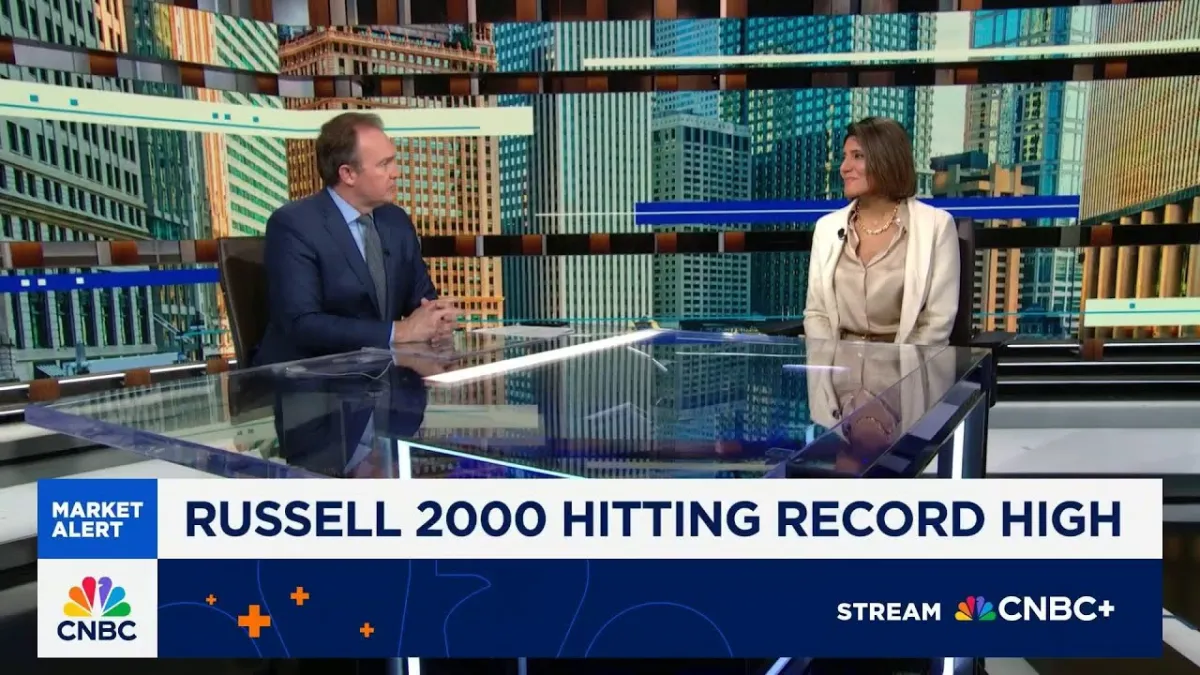
"AI bubble or not, it boils down to real dollars being spent on real CapEx with a very long runway of funding ahead." This statement from Anneka Treon, ING’s Global Head of Private Banking, encapsulates a critical perspective on the current wave of artificial intelligence investment. Appearing on CNBC's 'Power Lunch', Treon offered a nuanced European view of the U.S. and global markets, particularly dissecting the underlying drivers of growth and the sustainability of the monumental capital flowing into AI. Her insights challenge simplistic bubble narratives, focusing instead on the tangible, infrastructural commitments being made by corporations.
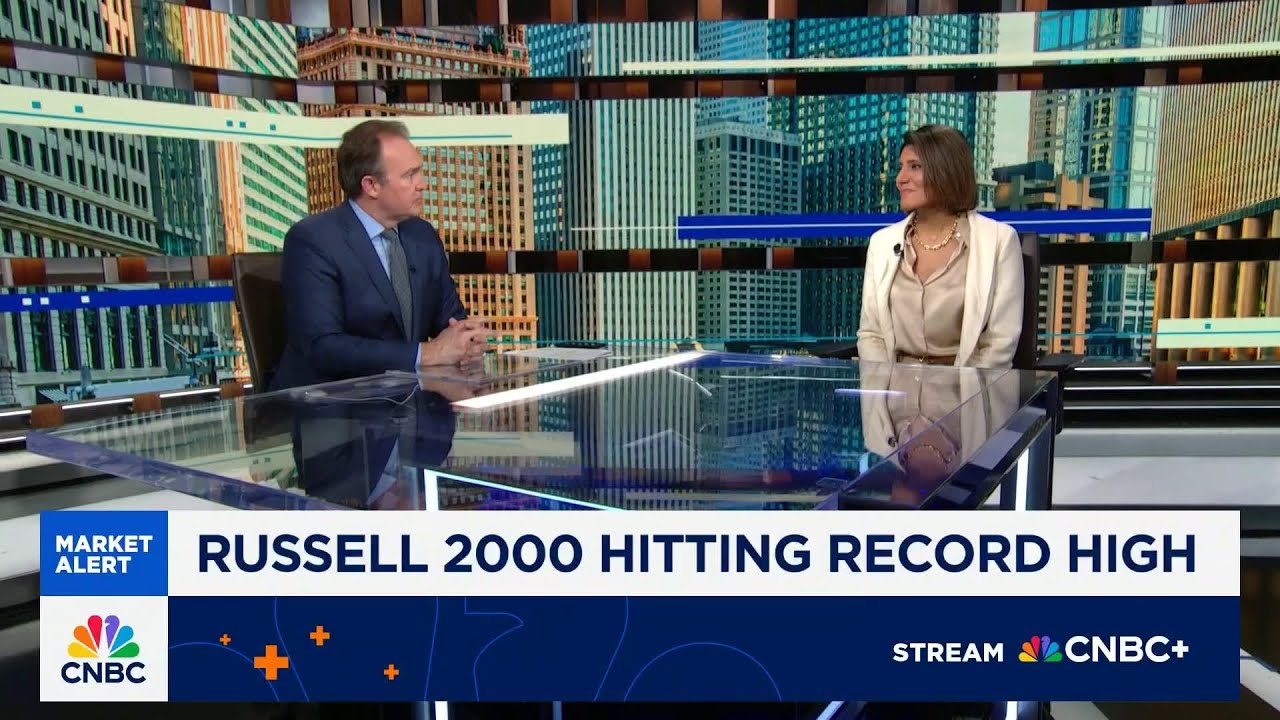
Treon spoke with the CNBC 'Power Lunch' hosts, offering an extensive discussion on the European market's view of the U.S. markets, the continued investment appeal of European equities, and the explosive capital expenditure fueling the artificial intelligence revolution. Her commentary provided a valuable perspective for founders, venture capitalists, and AI professionals grappling with the scale and implications of current market dynamics.
One core insight from Treon's analysis is the fundamental shift in corporate capital allocation towards AI. She highlighted that companies are now dedicating a significant portion of their resources to building out AI capabilities, moving far beyond speculative ventures. "Companies are spending about half of their operating cash flow on CapEx. That's much more than it was before." This isn't merely a fleeting trend; it represents a profound, long-term commitment to reshaping business models and operational efficiencies through advanced technology. The magnitude of this investment suggests a belief in AI's transformative power, embedding it deeply into the fabric of enterprise infrastructure. The sheer scale of AI-related capital expenditure is profound. Half of all US CapEx is now directed towards AI initiatives.
Furthermore, Treon underscored that the capital markets are readily supplying the necessary funds for this expansion. This ample availability of capital indicates that investors are not shying away from AI-related CapEx, recognizing the strategic imperative behind these investments. The "runway of funding" for AI, as she terms it, appears long and robust, reflecting confidence in the long-term potential for innovation and returns. This sustained financial backing is crucial for the continued development and deployment of complex AI systems, which often require significant upfront investment in hardware, software, and talent.
When comparing the performance of European and U.S. markets, Treon drew a clear distinction. While European indices have shown impressive gains year-to-date, this has been largely attributed to a "multiple re-rating" from a historically cheap valuation base. In essence, European stocks were undervalued, and their recent performance reflects a market correction more than intrinsic growth. Conversely, U.S. equities have been propelled by "underlying earnings growth." Treon emphasized the importance of this distinction, stating, "You need to see the earnings growth. That's your fuel. That's your oxygen." This implies that while European markets might still offer value, the U.S. market's ascent is fueled by a more sustainable engine of actual corporate profitability and expansion, making it a potentially more compelling long-term investment.