


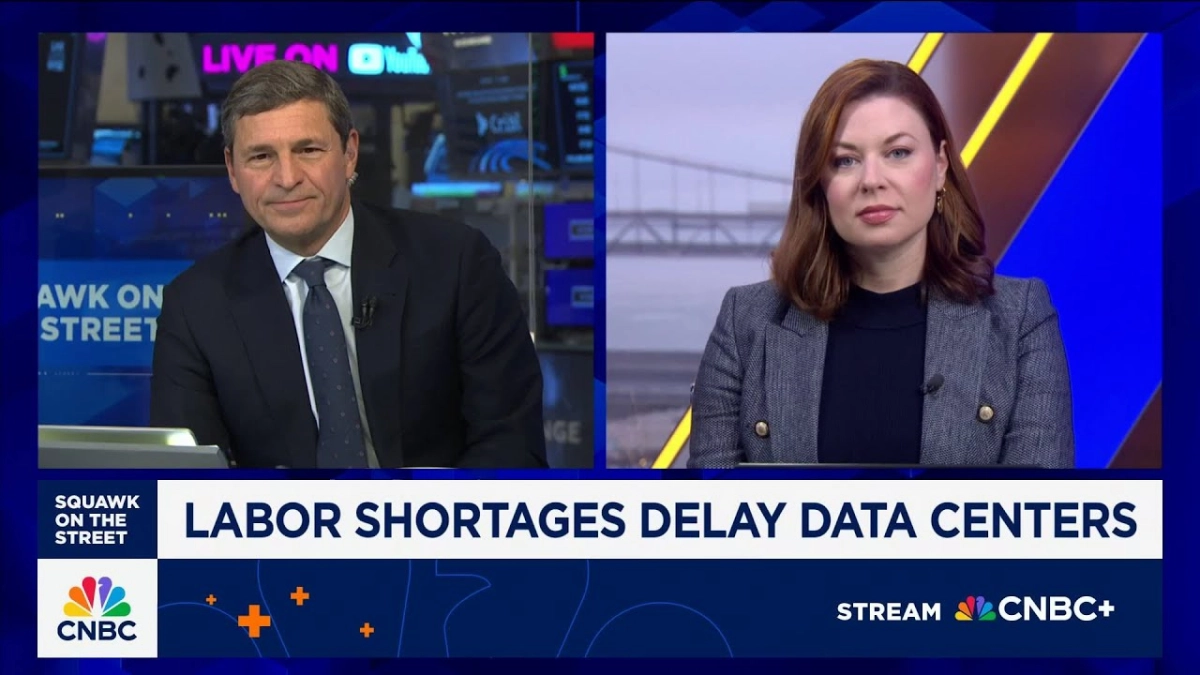
The burgeoning demand for data center capacity, fueled by the insatiable appetite for artificial intelligence and cloud computing, is encountering a significant impediment: a critical shortage of skilled labor. CNBC's Kate Rogers reported on this burgeoning issue, highlighting how the construction and operational needs of these vital infrastructure hubs are being hampered by a lack of qualified workers. Rogers spoke with Anirban Basu, Chief Economist at Associated Builders and Contractors, about the challenges facing the industry.
Basu articulated the core of the problem, stating, "I think these projects are likely to go over budget and miss their deadlines, but that is typical in U.S. construction, even for not-so-complicated, large projects." This statement underscores a persistent issue within the construction sector that is now acutely impacting the rapid build-out of data centers. The complexity of data center construction, which requires specialized skills beyond typical commercial or residential building, exacerbates the existing labor deficit.
The statistics presented paint a stark picture. The National Association of Manufacturers projects a shortage of 1.9 million manufacturing workers by 2033. Similarly, the Associated Builders and Contractors reported that approximately 500,000 construction workers will be needed in 2025 alone. These figures are not isolated to data center construction but represent a broader trend across industries that rely on skilled trades. The aging workforce, with many experienced professionals nearing retirement and not enough new entrants to fill the void, is a key driver of this shortage.
Related Reading
- Amazon's AI Power Play: Inside the $11 Billion Indiana Data Center
- The AI Infrastructure Gold Rush: Opportunities, Risks, and Strategic Moats
- OpenAI Charts Course for Personal AGI and Trillion-Dollar Infrastructure
Furthermore, the specific demands of data center construction add another layer of complexity. Basu elaborated, "...you add this layer of complexity, this need for precision, that would not exist in a typical apartment building or office building. Do we have the workforce for that? Not in abundance, that's for sure." This need for specialized skills in areas like electrical engineering, HVAC installation, and network infrastructure deployment means that a general pool of construction workers may not suffice. The intricate and sensitive nature of data centers requires a higher degree of technical proficiency and attention to detail, which are in short supply.
The implications of this labor shortage are far-reaching. Companies are not only facing potential delays and increased costs for their data center projects, but the ripple effect is being felt across other critical sectors. As Basu noted, "you're going to get done on those projects, but you're going to be pulling labor from other things that are already in the pipeline." This competition for a limited workforce means that other construction and manufacturing endeavors may suffer, potentially slowing down broader economic development. The demand for data centers, while crucial for technological advancement, is now in direct competition with the need for skilled labor in other essential areas. The intricate requirements of these facilities, coupled with a shrinking pool of qualified workers, present a formidable challenge to the pace of digital infrastructure expansion.

