

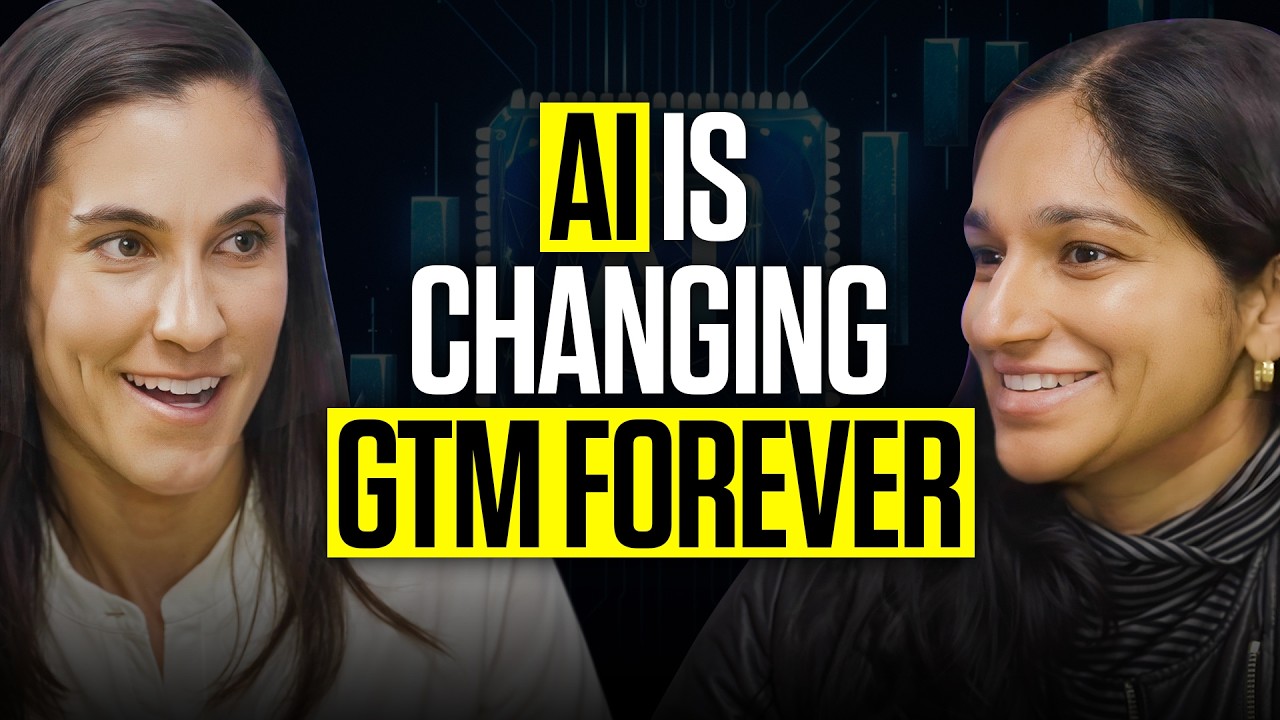
"No matter how smart, how fast these tools get, brand is going to be the reason why people trust your business, come to you, and return," asserts Emily Boschwitz, VP of Growth at Vanta. This profound insight, shared during her conversation with a16z partner Seema Amble, encapsulates a pivotal shift in the enterprise go-to-market landscape. The discussion, featured on the a16z Enterprise podcast, delved into how real innovation with AI is transforming marketing and sales, moving beyond mere hype to tangible workflows and feedback loops.
A central theme emerging from the interview is the unprecedented convergence of sales and marketing, driven by AI’s capacity for hyper-personalization and speed. Historically, personalizing outreach involved manual research, a laborious process. Now, as Boschwitz notes, "we can do that all with a click of a button." Advanced AI tools like Clay, Koala, and Common Room aggregate hundreds of firmographic and behavioral data points, providing deep insights into buyer intent. This rich data allows teams to understand where a prospect is in their journey, enabling tailored messaging and real-time website updates.
This dynamic integration of data across the customer lifecycle is a game-changer. "AI tools can very much be helpful at bringing together all the data, so you're using it in a unified way across that lifecycle." This unification means a seamless flow of information from marketing-driven personalization on landing pages directly to sales development representatives (SDRs) via AI-powered tools like Alice and Reggie, ensuring consistent and relevant outreach.
Personalization and speed are critical levers for conversion.
The discussion also highlighted the indispensable role of robust feedback loops, particularly with sales teams. Vanta leverages tools such as Gong to analyze sales conversations, identifying common objections or successful positioning points. This qualitative data directly informs and optimizes marketing's messaging and content strategy, ensuring alignment and effectiveness. Data enrichment, allowing for real-time reactions to buyer behavior, is currently yielding the most significant value, creating a smoother path from curiosity to conversion.