


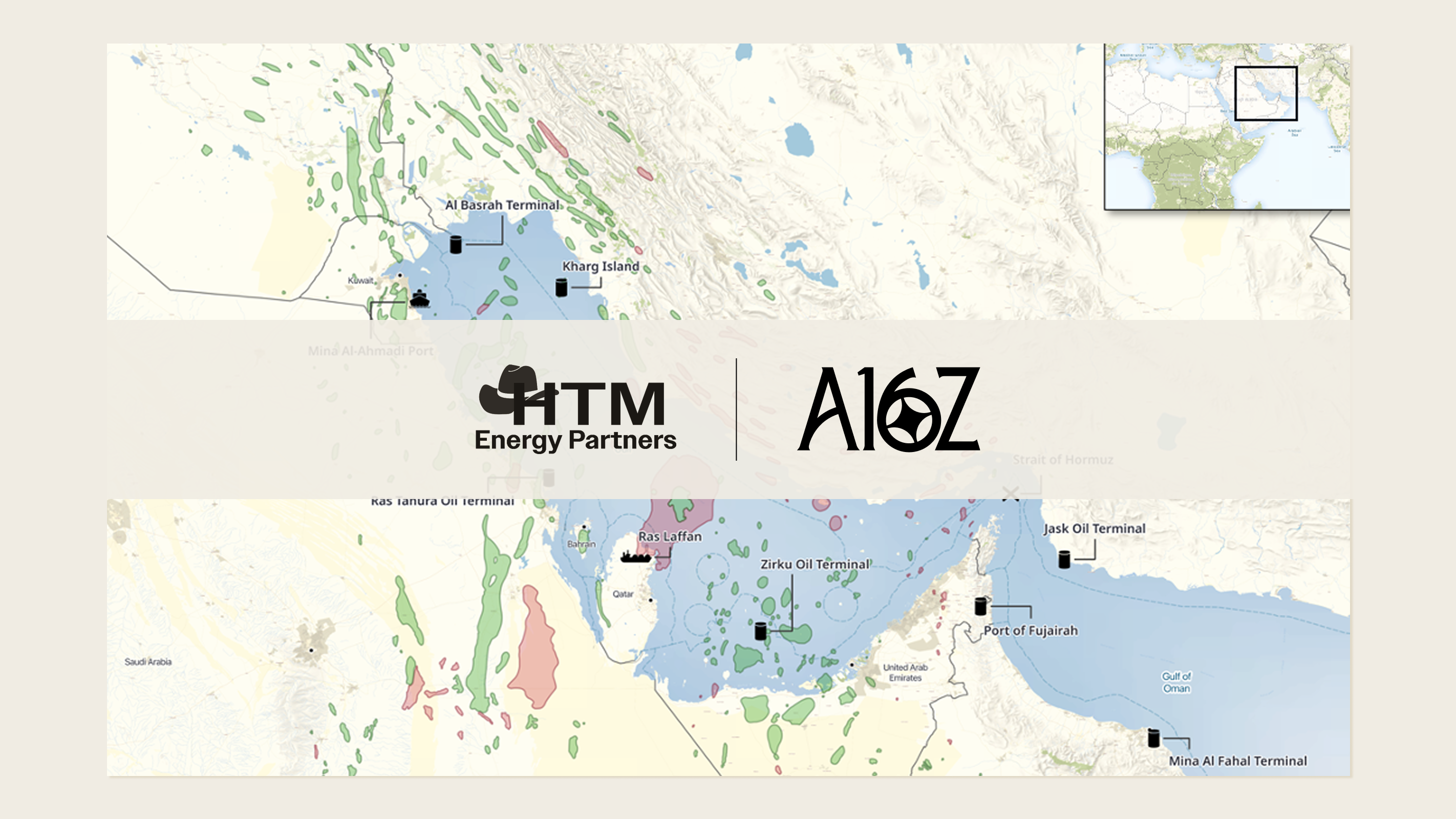
The Strait of Hormuz, often likened to the US-east-1 of global energy trade, is now a critical global dependency with no failover. Its prolonged closure triggers cascading consequences far beyond gasoline prices, impacting food, freight, fertilizer, petrochemicals, power, manufacturing, and ultimately, political stability.
This mirrors tech's understanding of hidden centralization; a single point of failure can cripple a seemingly distributed system. Today, global energy markets face a similar vulnerability with the Strait of Hormuz.
The Middle East's geological advantage, with massive conventional oil fields like Ghawar producing significantly more than US shale wells, made it a historically prudent energy source. This low-cost production, state-owned and highly profitable, fueled regional economies.
However, the world's reliance on this region, while economically logical in a vacuum, has become a strategic oversight. The Middle East's unique geology, offering massive conventional oil accumulations that are simple to produce, has resulted in the world's most prolific oil fields.
The region's strategic imperative shifted with the rise of US shale production. To maintain economic relevance and profit from their hydrocarbon advantage, Gulf states focused on monetizing the entire molecular value chain, moving beyond raw crude.