

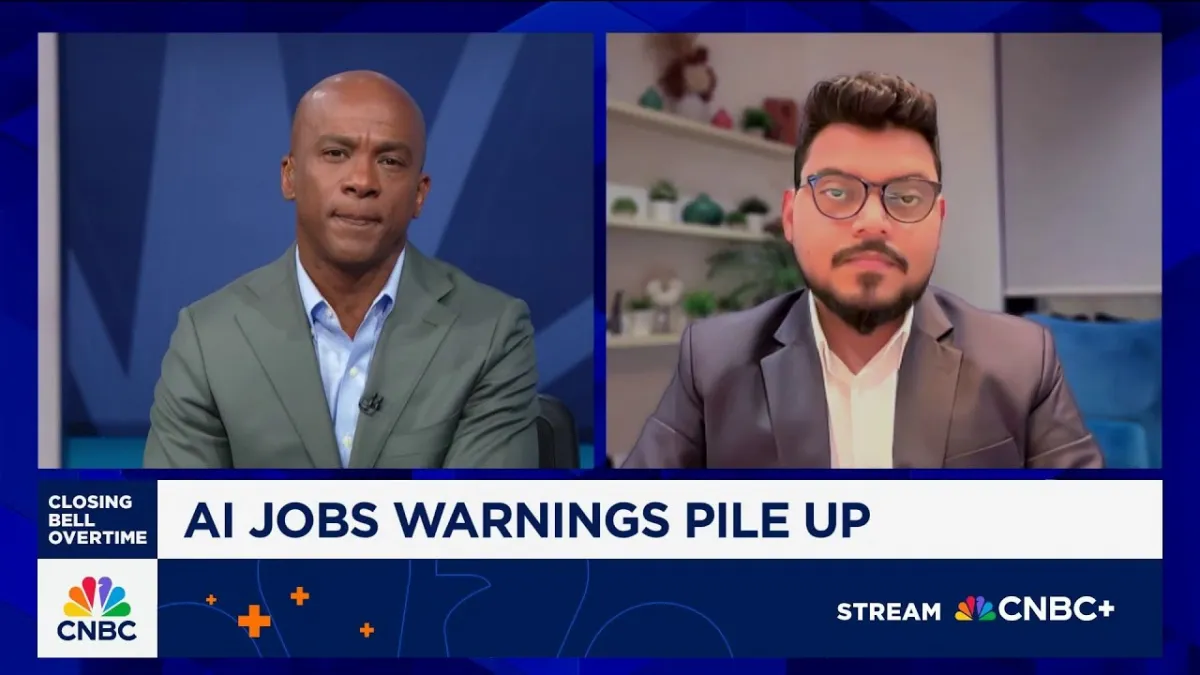
Fed Governor Chris Waller recently voiced a widely held apprehension, stating that "AI seems to be moving so fast that we'll see the job losses before we really see the new jobs." This sentiment, echoed by corporate titans like Jamie Dimon and Andy Jassy, paints a stark picture of artificial intelligence as a potent force for job elimination, particularly in white-collar and customer support roles. However, Kuldeep Singh Rajput, CEO of Outcomes AI, offered a compelling counter-narrative during his appearance on CNBC's 'Closing Bell Overtime,' asserting that in certain critical sectors, AI’s role is not to replace, but to profoundly restore capacity.
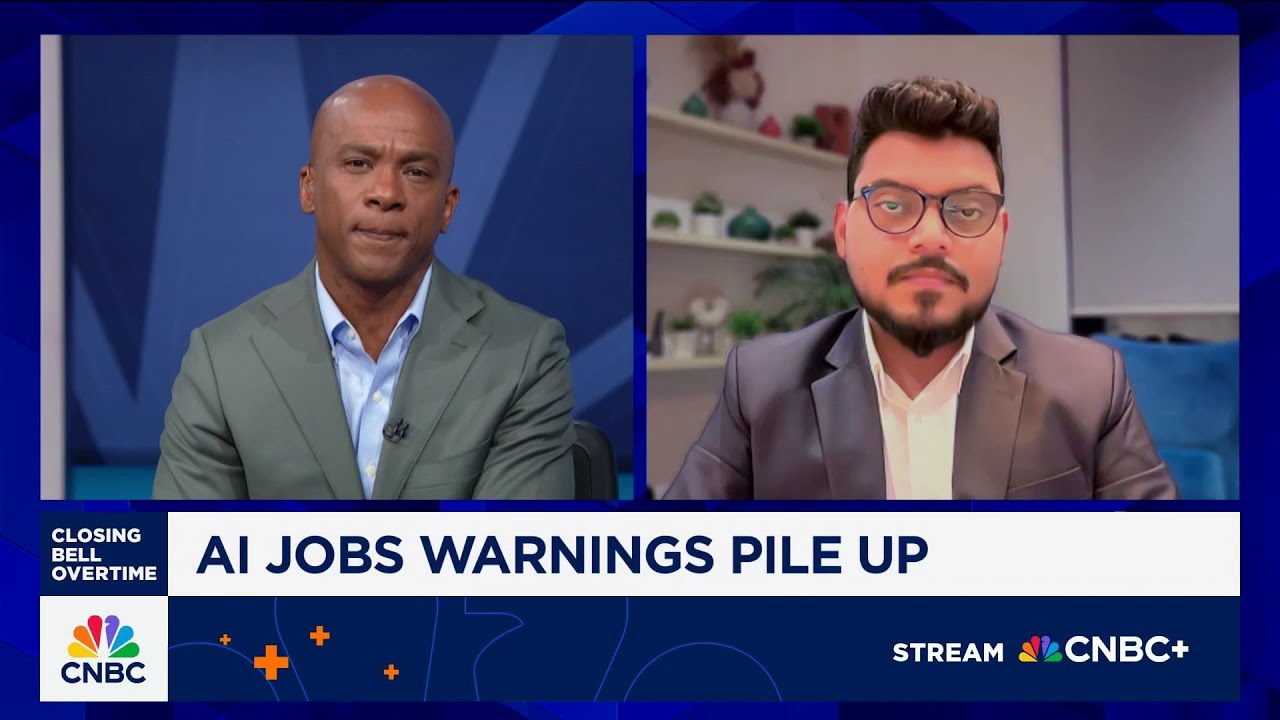
Rajput’s discussion with the CNBC interviewer delved into the nuanced impact of AI across various industries, drawing a sharp distinction between sectors ripe for automation-driven job displacement and those where AI serves as a crucial augmentative force. He readily conceded that in fields like banking and customer service, where a significant portion of work involves transactional tasks such as "answering questions, processing forms, executing standard workflows," AI is poised to automate these functions very quickly. This perspective aligns with the broader industry consensus that repetitive, rule-based tasks are highly susceptible to AI integration, leading to shifts in workforce composition.
The core insight offered by Rajput, however, lies in the unique challenges and opportunities presented by the healthcare sector. Unlike industries facing an excess of workers performing automatable tasks, healthcare grapples with a severe and escalating labor shortage. Rajput highlighted the alarming reality: "We don't have too many workers... we have a massive shortage of nurses and physicians." He cited projections of nearly a million nurse shortfall by 2031, painting a picture of a system stretched thin and struggling to meet patient demands. This critical deficit fundamentally alters the calculus of AI adoption in healthcare, transforming it from a tool for cost-cutting through job elimination into an essential instrument for bolstering human capability.
It is within this context of scarcity that AI’s role shifts dramatically. Rajput clarified, "In healthcare, AI isn't replacing people, it's restoring capacity." This distinction is pivotal. Healthcare professionals, particularly nurses and physicians, are increasingly burdened by administrative and repetitive tasks that divert them from direct patient care, the very essence of their profession. Rajput estimated that approximately "60% of the work nurses are doing," from answering patient calls and coordinating care to documenting data in electronic health records, falls into this category. These are precisely the kinds of tasks that AI can perform with greater efficiency and accuracy, thereby freeing up valuable human time.
The strategic deployment of AI in healthcare, therefore, is not about substituting human workers but about optimizing their existing capacity. By automating the mundane and time-consuming administrative chores, AI empowers nurses and physicians to refocus on higher-order tasks that require human empathy, critical thinking, and complex decision-making. This liberation of human capital directly addresses the systemic capacity crunch, allowing healthcare providers to see more patients, deliver more personalized care, and ultimately improve patient outcomes.