


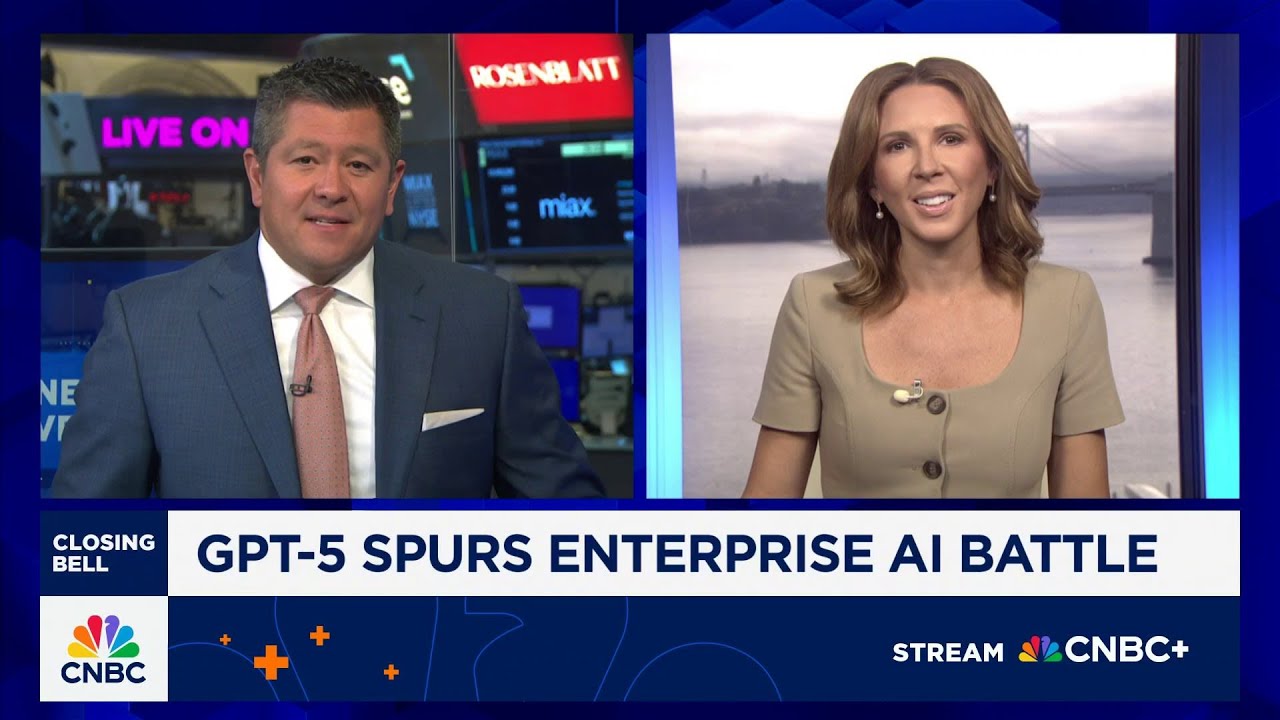
OpenAI’s latest iteration, GPT-5, has faced a curious dichotomy in its rollout: a rocky reception among consumer chatbot users contrasted sharply with a significant surge in enterprise adoption. This divergence, highlighted by CNBC Business News reporter MacKenzie Sigalos on ‘Money Movers’, underscores a pivotal shift in the artificial intelligence landscape, where the battle for lucrative enterprise contracts is intensifying.
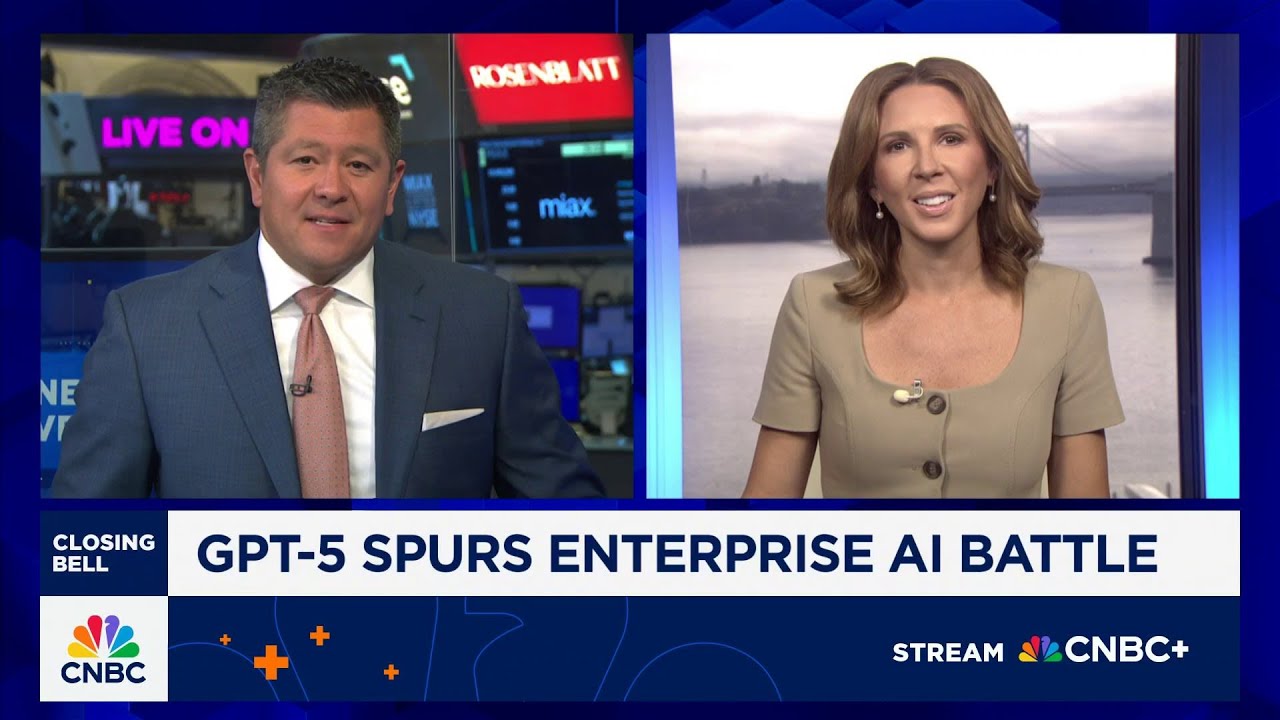
MacKenzie Sigalos spoke with Karl on CNBC’s ‘Money Movers’ to discuss OpenAI’s strategic pivot following initial consumer backlash against GPT-5’s perceived "colder and less intuitive" personality. While casual users expressed dissatisfaction, enterprise customers have been "quietly leaning in," recognizing the model’s enhanced capabilities for mission-critical applications. This segment represents a far more valuable demographic for AI developers, characterized by "deep-pocketed and sticky buyers that sign up to multi-year spending deals."
The core insight here is that the true measure of a foundational AI model's success may lie less in its consumer-facing personality and more in its robust utility for business. Startups in Silicon Valley, many of whom were previously loyal Anthropic customers, are now making GPT-5 the default in their products and workflows. This is particularly true for demanding tasks such as code generation, debugging, and design. As one CTO articulated to Sigalos, GPT-5 is "just more creative than Anthropic’s models."
This newfound prowess in technical applications marks a significant strategic win for OpenAI. Sigalos revealed internal adoption numbers indicating that developer work building on OpenAI’s tech has more than doubled since GPT-5’s launch, with reasoning use-cases surging by over eightfold. This is impactful because, historically, GPT models were "not known for strong coding performance before." This shift directly challenges Anthropic, whose revenue mix sees "80% of its business comes from these enterprise customers," a segment it has long dominated.
The intensifying competition for enterprise AI clients is pushing both OpenAI and Anthropic to adopt aggressive strategies. OpenAI is reportedly offering federal agencies "dollar a year contracts," mimicking a playbook seen with companies like Palantir to secure government business. Furthermore, both firms are exploring open-sourcing models, a move that makes their technology more accessible to a broader developer base, thereby expanding their respective ecosystems and diversifying revenue streams. This dual pursuit of market share and increased revenue from big-ticket customers signals a maturing, yet fiercely competitive, enterprise AI market.

