

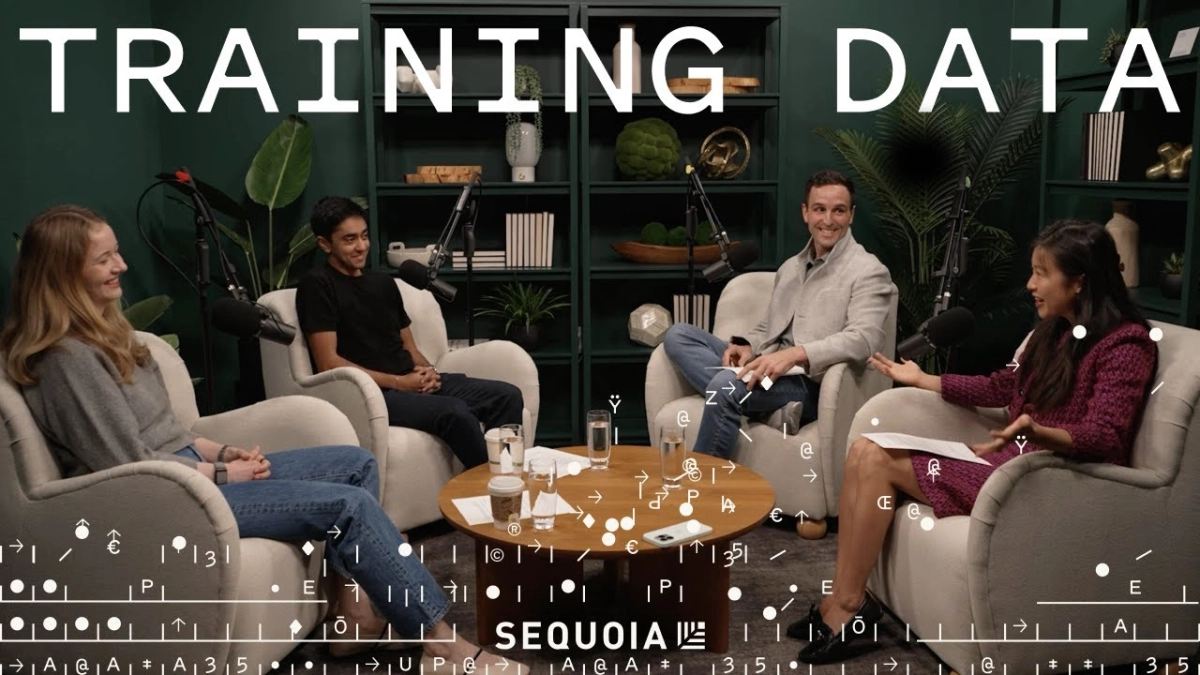
The elusive quest for consistent character generation in AI-powered imagery, long a chasm between promise and practical application, has found a breakthrough in Google’s Nano Banana. This innovative image model, a product of rigorous engineering and profound human insight, has not only become a global phenomenon but also redefined what’s possible in visual AI, allowing users to finally "see themselves" in AI-generated worlds.
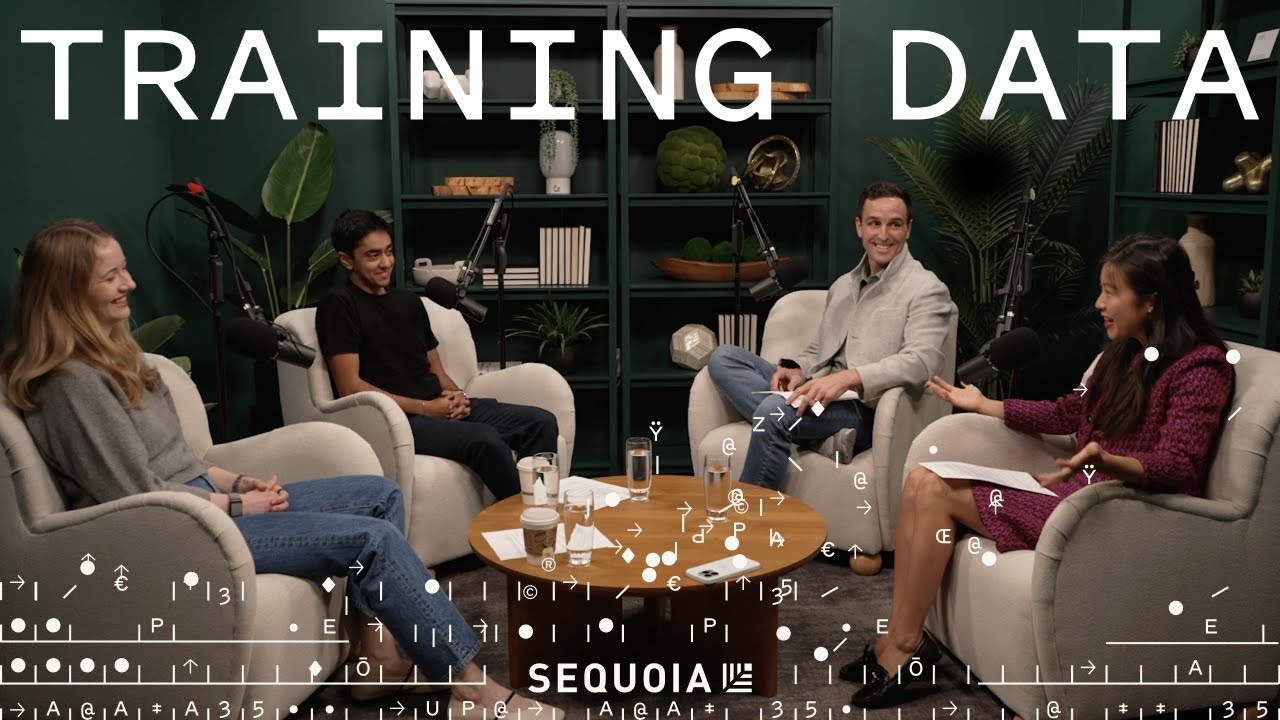
Nicole Brichtova and Hansa Srinivasan, the product and engineering leads behind Nano Banana, recently spoke with Stephanie Zhan and Pat Grady of Sequoia Capital, delving into the journey of the model's creation and its far-reaching implications. Their conversation illuminated how meticulous data quality, multimodal design, and an unwavering commitment to human evaluation paved the way for unprecedented character consistency, transforming a technical challenge into a gateway for creative utility.
A central revelation from the discussion was the pivotal role of human perception in refining AI models. As Nicole Brichtova articulated, "It's very difficult for you to be able to judge character consistency on people's faces you don't know." This insight underscored why internal team members, intimately familiar with each other's features, became critical evaluators, providing feedback that objective metrics alone could not capture. This qualitative "eyeballing" was instrumental in teaching the model to render nuanced facial features and maintain identity across diverse contexts, a capability that previously eluded many generative AI systems.
Hansa Srinivasan elaborated on the technical underpinning, highlighting that Nano Banana’s success stems significantly from its foundation as a multimodal Gemini model. This architecture enables superior generalization capabilities, a "secret sauce" that allows the model to interpret and adapt to new inputs with remarkable fluidity. The ability to integrate and process diverse data types, from single images to complex textual prompts, is what makes the model truly versatile, extending its utility far beyond initial expectations.
The team also observed unexpected applications emerging from user creativity. Hansa noted a significant shift in how users now employ video models: "People are really mixing the tools and using different video models from different sources to get actually consistent cross-scene character and scene preservation." This highlights a burgeoning ecosystem where users combine various AI tools to achieve complex creative goals, underscoring the model's adaptability even in workflows that are not yet fully streamlined. Nicole added a fascinating anecdote about a user creating visually coherent sketch notes from chemistry lectures, turning highly technical information into digestible visual summaries, a testament to the model's unforeseen educational utility.