

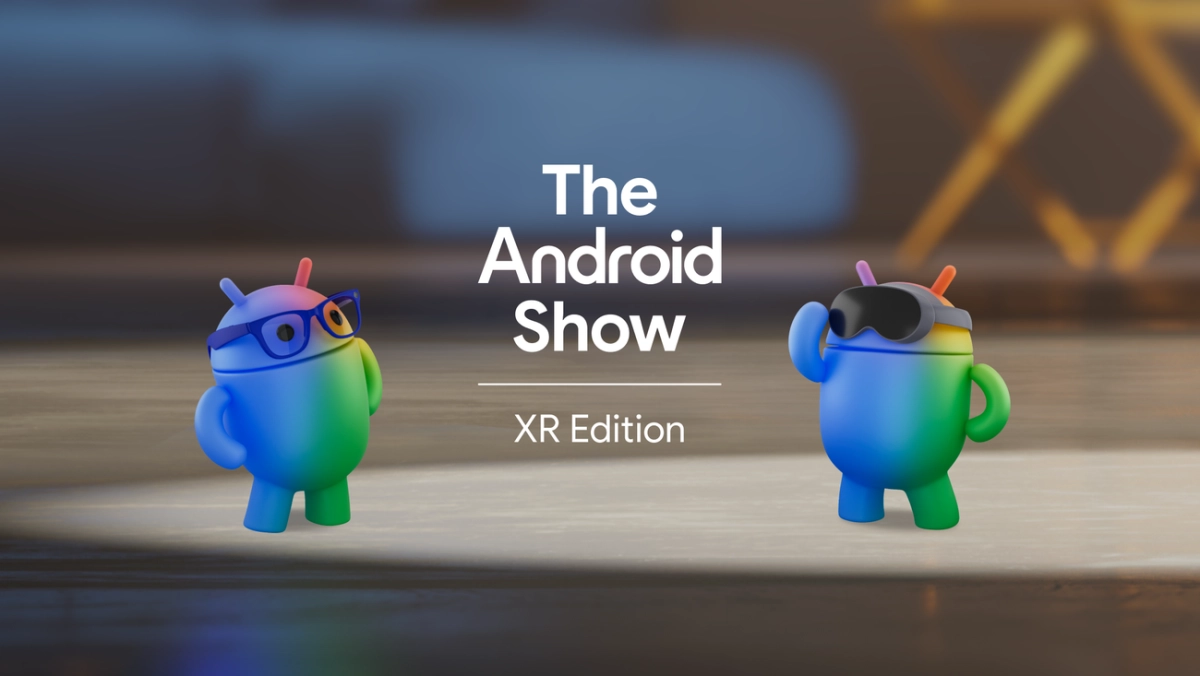
Google's latest Android Show delivered a clear message: the future of augmented reality is diverse, integrated, and increasingly subtle. While updates for the Galaxy XR headset refine the immersive experience, the true strategic pivot lies in the introduction of AI glasses, signaling a concerted effort to embed spatial computing into everyday life. This move represents a significant step beyond bulky headsets towards more accessible, always-on digital assistance.
The company is pursuing a dual-pronged approach with its AI glasses, collaborating with fashion-forward partners like Gentle Monster and Warby Parker. One type offers screen-free assistance, leveraging built-in speakers, microphones, and cameras for natural Gemini interactions, photography, and real-time help. The second, more advanced variant, integrates an in-lens display, privately delivering contextual information such as turn-by-turn navigation or live translation captions directly into the user's line of sight. This emphasis on style and comfort for all-day wear is crucial for mainstream adoption, moving AI from a device to a personal accessory.
These AI glasses promise to redefine how users interact with their environment and digital information. Imagine asking Gemini about a landmark you're viewing, capturing a moment hands-free, or receiving discreet directions without pulling out a phone. The display AI glasses, in particular, offer a powerful blend of utility and privacy, delivering critical data precisely when needed without overwhelming the user or distracting others. This discreet integration of AI into vision and hearing represents a profound shift in personal computing.
The Broader Android XR Vision
Google's commitment extends beyond just AI glasses, encompassing a comprehensive Android XR ecosystem. The introduction of wired XR glasses, exemplified by XREAL's Project Aura, further illustrates this strategy, offering headset-like immersion with real-world presence. These devices provide a massive, private canvas for multitasking or entertainment, layering digital content onto the physical world. Crucially, Google is actively cultivating this ecosystem by releasing Developer Preview 3 of the Android XR SDK, opening up development for AI glasses and enabling partners like Uber and GetYourGuide to build augmented experiences. This developer push is vital for populating the new hardware with compelling applications.
The strategic rollout of diverse XR form factors, with AI glasses at the forefront, positions Google to capture a significant share of the nascent spatial computing market. By prioritizing comfort, style, and seamless integration, Google aims to make augmented reality an indispensable part of daily routines, moving beyond niche enthusiast devices. The promise of the first AI glasses arriving next year sets a tangible timeline for this ambitious vision, challenging competitors and potentially reshaping how we perceive and interact with digital information in the physical world.