

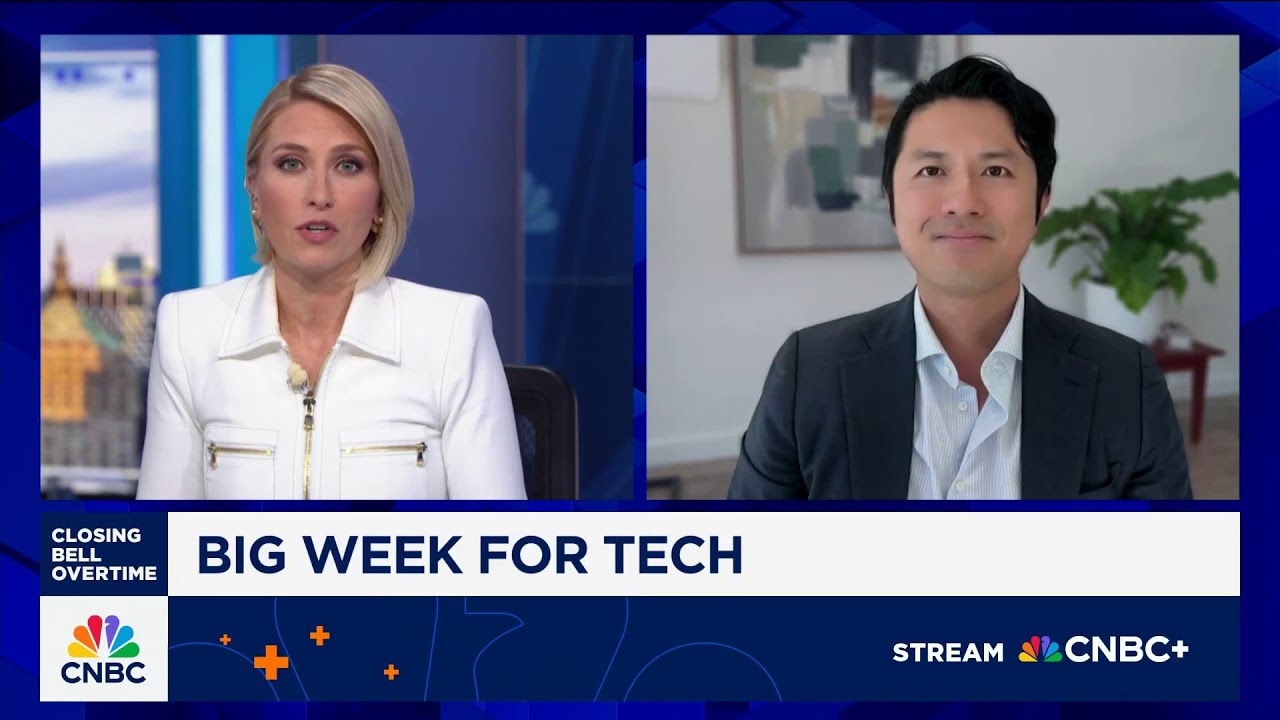
"Google is at a crossroads here with a new technology coming out with generative AI," stated Tony Wang, T. Rowe Price Science & Technology Equity Strategy portfolio manager, in a recent interview with CNBC's Sara Eisen on 'Closing Bell Overtime' discussing upcoming tech earnings. This sentiment underscores a pervasive theme across the industry: artificial intelligence is fundamentally reshaping business models and investment theses for the largest technology companies. The conversation delved into the critical factors investors are scrutinizing as giants like Alphabet, IBM, and Tesla prepare to report their latest financial results.
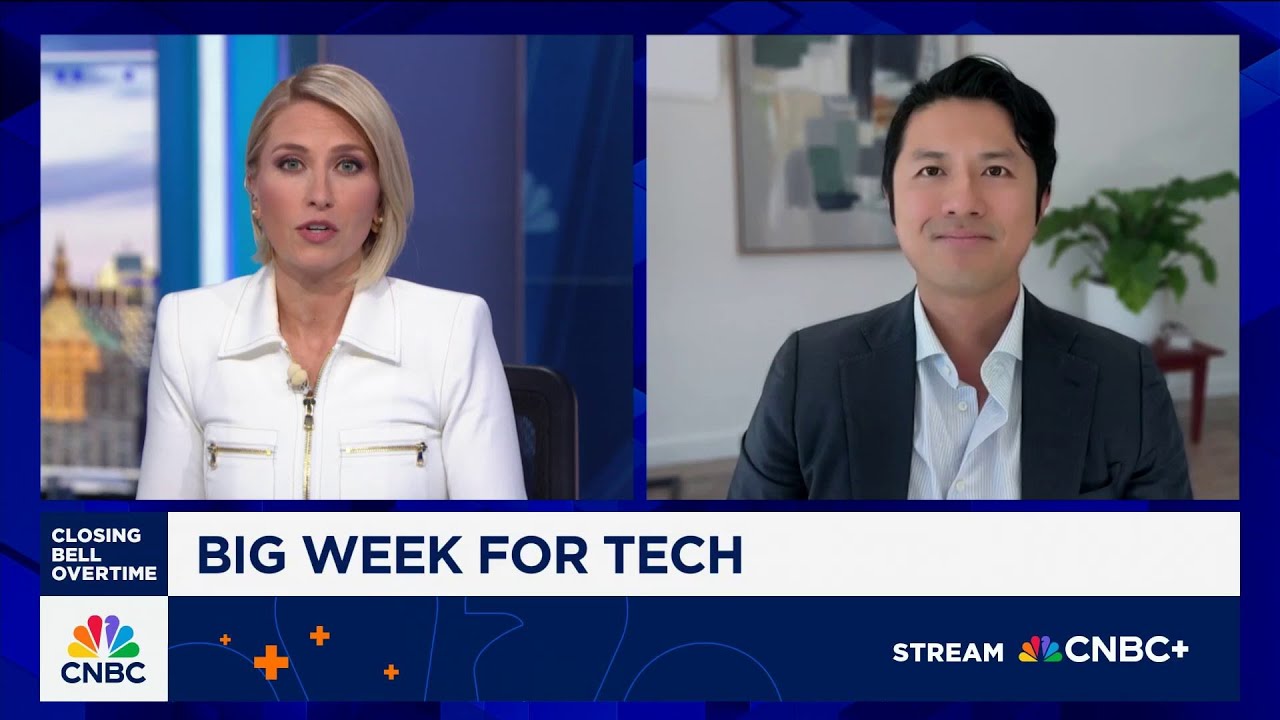
For Alphabet, the immediate focus is on how its core search revenue will perform as the company increasingly integrates AI into its offerings. Wang drew a vivid analogy, comparing traditional Google Search to a librarian who provides a list of books for users to sift through, whereas generative AI acts as an expert librarian, directly delivering the answer. This shift implies significant capital expenditure (capex) and a need for accretive results to justify these investments, especially given the "disruption risk behind ChatGPT that's likely coming."
IBM, a seemingly stealth player, has quietly gained momentum. Its recent success stems from an improved business mix, shifting towards higher-margin consulting, infrastructure, and software services. Critically, IBM's consulting arm serves as "customer zero" for AI adoption. They internally develop and refine AI applications, then leverage this firsthand experience to teach and implement these solutions for their vast client base, a strategy that has demonstrably improved the company's returns.
Tesla's narrative, conversely, is less about current vehicle sales performance. The market's attention has shifted beyond how many Model Ys are sold. Instead, the valuation driver now centers on their "AI and robotics" innovation and the "bigger TAM" (Total Addressable Market) autonomous driving represents. Their "AI-first, camera-first approach" is a key differentiator, with investors keenly watching for progress in the robotaxi segment.
The semiconductor space presents a more nuanced picture. While companies like NXP Semiconductors and Texas Instruments are guiding towards improving fundamentals in the industrial sector, the overall segment has experienced a significant run-up, leading to elevated expectations. A major concern remains the China market, which was a "big tailwind over the last 10 years" but could now become "more of a headwind or even a flat market." Intel, in particular, is navigating a substantial turnaround under its new CEO, with investors eager for updates on its product roadmap, AI strategy, and efforts to stabilize its balance sheet and cut costs. The overarching trend for these tech behemoths is clear: AI is not merely an enhancement but a fundamental re-evaluation of their strategic direction and long-term value.