

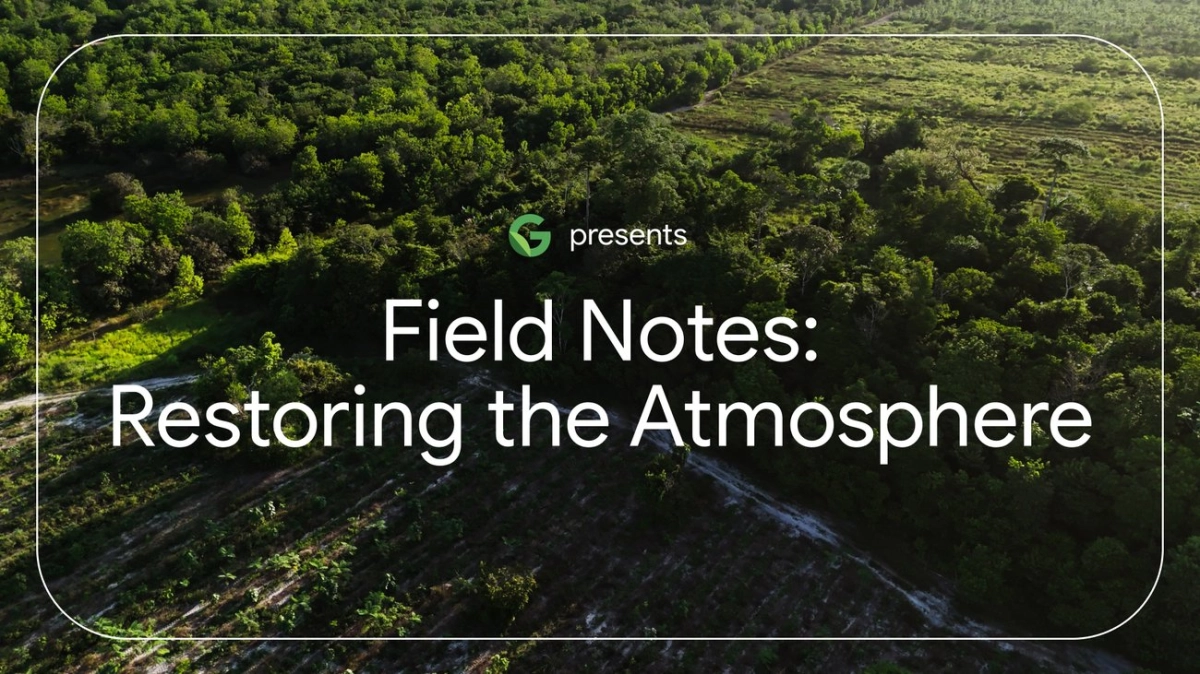
Google is intensifying its climate efforts, showcasing a portfolio of projects in Brazil that leverage advanced science and technology for atmospheric restoration. This initiative targets both potent superpollutants and long-term carbon dioxide removal, with artificial intelligence serving as a critical enabler across diverse solutions. The strategic backing from a tech giant like Google signals a significant push towards scalable, data-driven climate interventions.
The immediate focus includes tackling superpollutants like methane, which contribute disproportionately to near-term warming. According to the announcement, Google is partnering with Orizon, a major waste management company in Brazil, to capture and eliminate methane emissions from landfills, converting them into energy. AI tools are instrumental here, not only in identifying the largest methane sources but also in precisely monitoring the efficacy of these elimination solutions, exemplified by efforts like Waste MAP. This data-driven approach ensures that interventions are targeted and their impact rigorously measured, accelerating progress in a crucial decade.
Beyond superpollutants, Google is heavily investing in restoring the planet's natural carbon removal capabilities. Mombak, Brazil's largest reforestation company focused on carbon removal, employs machine learning and data science to reforest degraded Amazonian areas with diverse native species. AI-powered technologies are transforming how carbon sequestration is measured and managed in these ecosystems, providing accurate, ongoing monitoring of carbon stocks. Tools like Google Earth AI and Earth Engine are pivotal, offering Earth Observation analysis and Geospatial AI to ensure the integrity and impact of these nature-based solutions.
AI's Broader Impact on Atmospheric Restoration
The portfolio also extends to breakthrough technologies with the potential for gigaton-scale carbon removal. Terradot is pioneering a solution that accelerates natural rock weathering, a process that captures carbon while simultaneously optimizing agricultural practices for soil health. AI models are crucial for predicting and optimizing carbon removal in specific locations, integrating vast environmental data from soil quality to weather patterns. This AI-driven precision is essential for monitoring and verifying the permanent storage of carbon, a key challenge for novel removal technologies.
Google's involvement extends beyond individual projects, actively co-founding initiatives like Frontier and the Symbiosis Coalition to build markets and scale emerging carbon removal pathways. This strategic investment in a diverse array of solutions, from methane capture to nature-based reforestation and enhanced rock weathering, underscores a comprehensive approach to climate action. By de-risking and validating these technologies through significant financial and technical support, Google is helping to accelerate the entire carbon removal industry. The integration of AI across these varied methods is not merely an enhancement; it is fundamental to achieving the precision, scalability, and verification necessary for meaningful atmospheric restoration.