


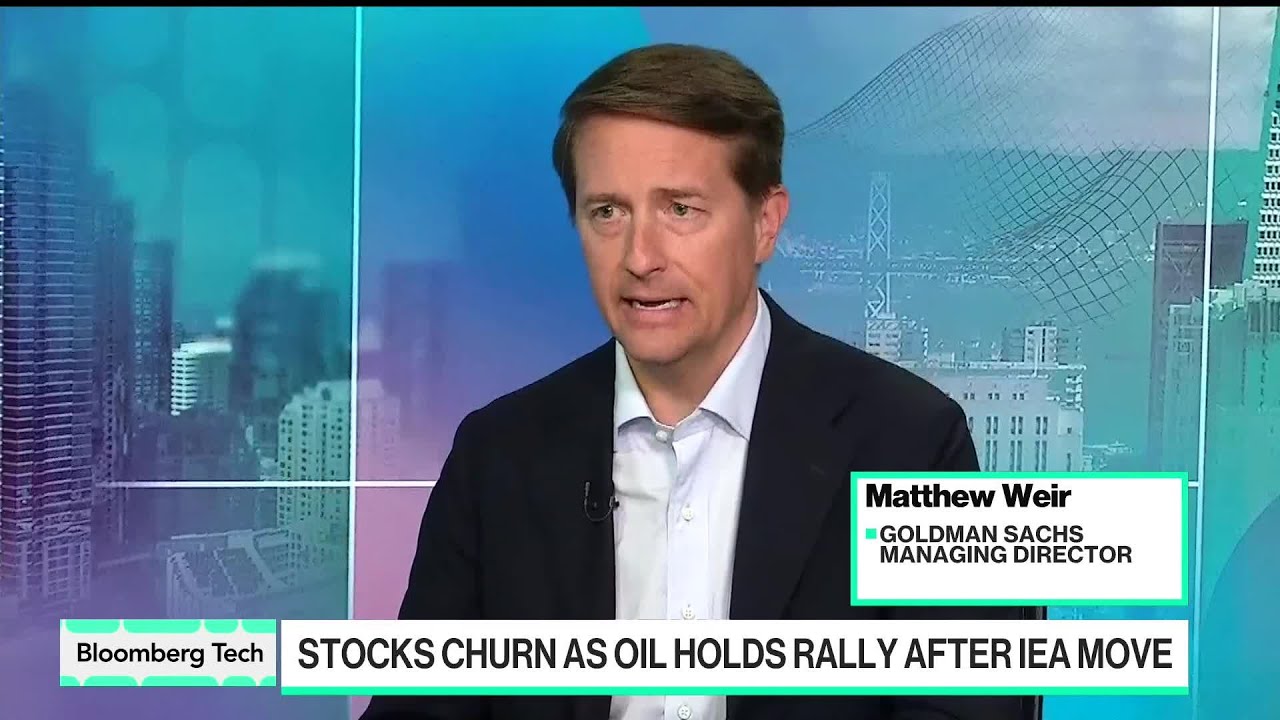
In a recent appearance on Bloomberg Tech, Matthew Weir, a Managing Director at Goldman Sachs, shared his perspective on the economic impact of Artificial Intelligence (AI), particularly concerning its effects on the job market and overall economic productivity. Weir, a seasoned financial analyst known for his insights into market trends and investment strategies, emphasized that while AI-driven automation may lead to job displacement in certain sectors, its long-term potential for productivity growth and new job creation is overwhelmingly positive.
The full discussion can be found on Bloomberg Technology's YouTube channel.

Matthew Weir: A Voice in Market Analysis
Matthew Weir's role at Goldman Sachs positions him at the forefront of analyzing global economic trends and advising institutional investors. His expertise spans macroeconomics, market strategy, and the impact of technological innovation on financial markets. Weir's commentary is often sought after for its data-driven approach and forward-looking insights, making his views on disruptive technologies like AI particularly noteworthy.
AI's Dual Impact: Displacement and Creation
Weir addressed the common concern that AI will lead to widespread job losses. He acknowledged that automation is a natural consequence of technological advancement, stating, "AI is going to displace workers, but it's also going to create new jobs." He elaborated on this by providing data suggesting that while approximately 300 million jobs globally could be affected by automation, a significant number of new roles will emerge. Weir quantified this by stating, "We think that about 300 million jobs could be affected by automation, but on the other side of that, there are about 25 to 30 million jobs created." This outlook suggests a net positive impact on employment in the long run.
Productivity Gains as the Key Driver
A central theme of Weir's discussion was the profound impact of AI on productivity. He drew parallels to historical technological shifts, noting that "productivity has been the primary determinant in equity market returns throughout history." He highlighted that AI's ability to automate tasks, enhance efficiency, and drive innovation is expected to significantly boost productivity across the economy. Weir elaborated, "We think that AI will drive productivity growth of about two to two and a half percent, and that will translate into earnings growth of about 10% for the S&P 500." This projection underscores the significant economic benefits investors can anticipate from the widespread adoption of AI technologies.