

"Fully give in to the vibes, embrace exponentials, and forget that the code even exists," says Andrei Karpathy, encapsulating a new AI-driven coding paradigm. This quote highlights the evolving role of AI in software development, moving from meticulous code review to a focus on output and intuition.
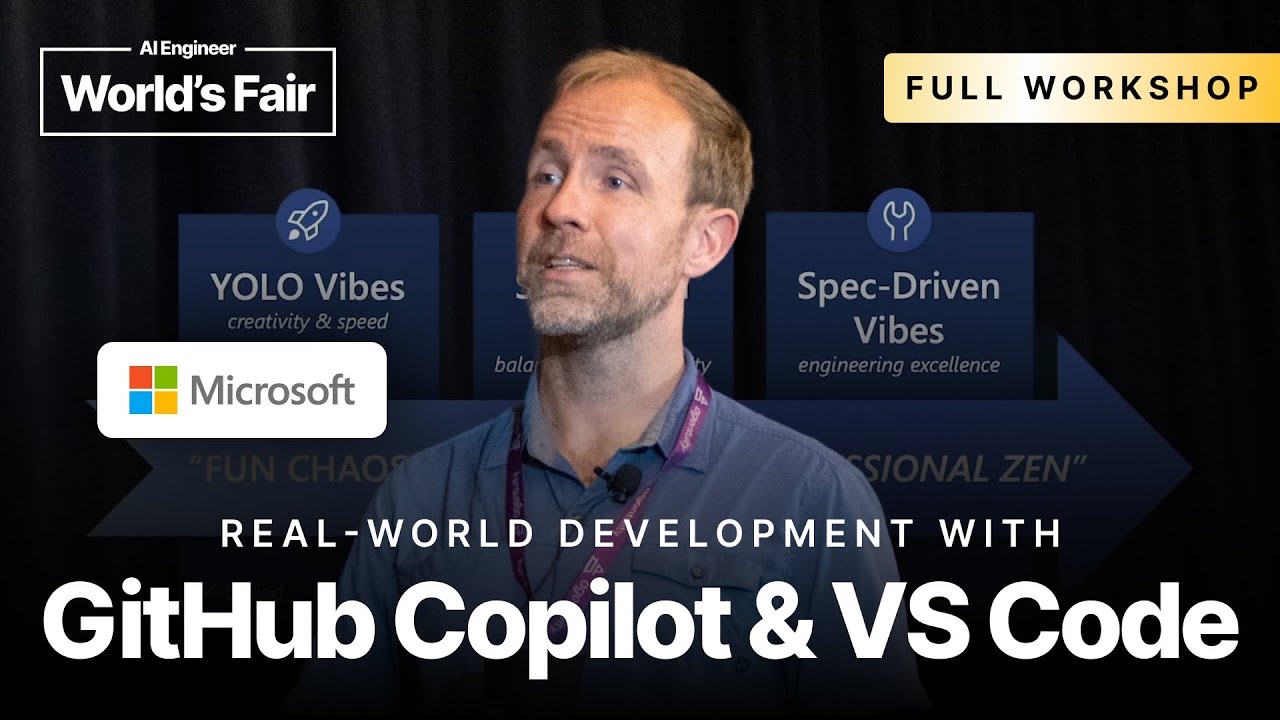
Harald Kirschner spoke with Christopher Harrison at the AI Engineer World's Fair about the expanding suite of AI features in VS Code and GitHub Copilot. They discussed practical scenarios and live demos, including code generation using Edits, problem-solving with Chat, boilerplate code generation using Agent mode, and improving test generation with custom instructions.
A central theme is the shift toward what they call "vibe coding," where the AI handles the intricate details while the developer focuses on the broader vision. This represents a departure from traditional coding practices. As Kirschner articulates, "It is about focusing on the output and not actually on the code."
However, this approach sparks debate, raising questions about the role of the engineer. As the AI generates code, the developer's primary focus shifts towards guiding the AI, defining guardrails, and reviewing the output, rather than meticulously crafting each line of code. One core insight is that developers are moving towards building trust in AI, rather than reviewing every piece of code.
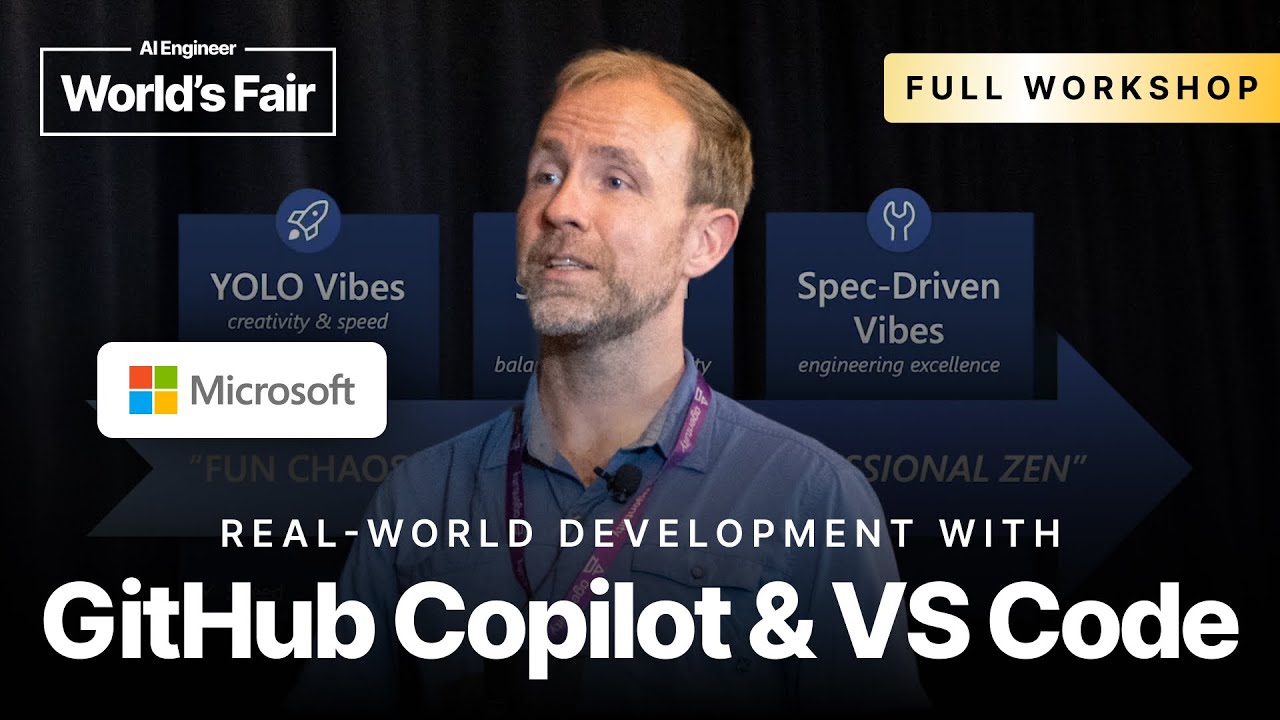
Kirschner delineates the "vibe coding journey," progressing from "fun chaos" to "professional zen." This journey involves an initial phase of YOLO (You Only Live Once) vibes, characterized by creativity and speed, instant gratification, and fast learning. Then, it transitions to structured vibes, emphasizing balance and sustainability. This second stage involves maintainability, readability, and quality control.