

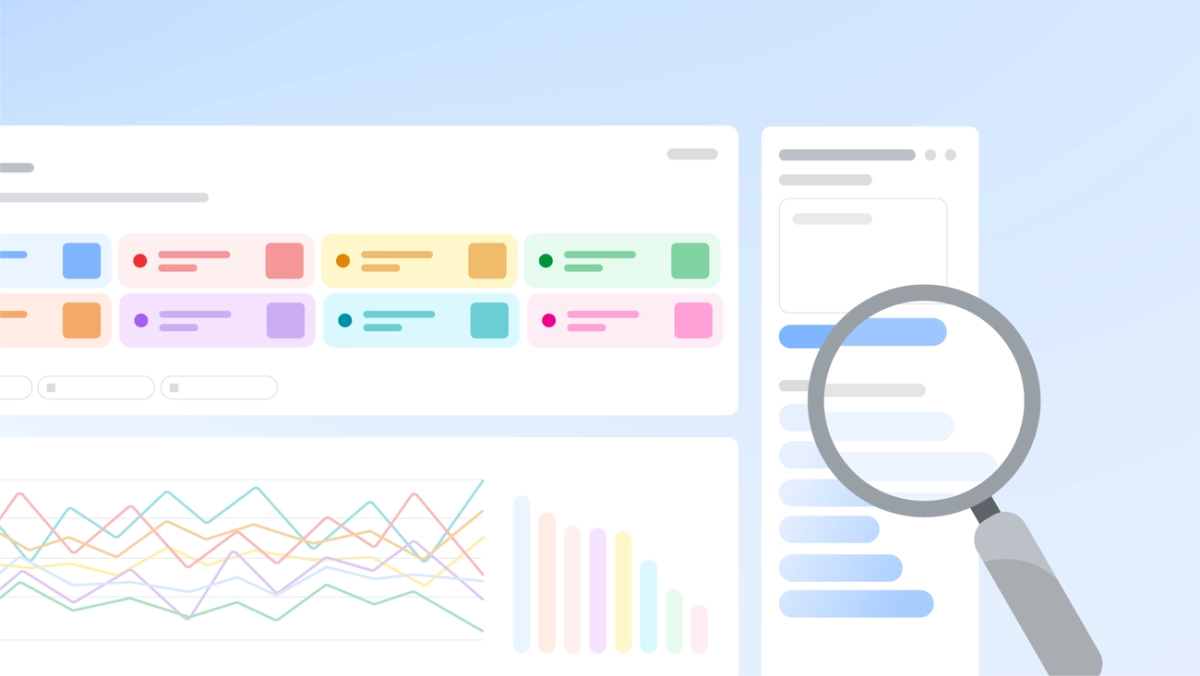
Google has quietly deployed a powerful update to its core data utility, integrating generative AI directly into the Trends Explore page. The new Google Trends Gemini feature fundamentally shifts the platform from a manual visualization tool to an automated insight engine. This move targets professional users who rely on rapid, comprehensive trend analysis, including journalists, creators, and researchers.
The most significant change is the introduction of a Gemini-powered side panel that automatically identifies and graphs related search terms. Previously, researchers had to manually input variations like "golden retriever" or "beagle" to compare interest; now, the system handles up to eight comparisons instantly. This automation drastically cuts down the initial data gathering phase for content strategists and market analysts.
Automating Insight Generation
The AI doesn't just suggest terms; it provides related conceptual ideas, such as "hypoallergenic dog breeds," pushing users toward deeper, tangential research paths. This capability transforms the exploration process from reactive data checking into proactive hypothesis generation. By doubling the amount of rising queries shown, Google is ensuring that the context surrounding a trend is immediately visible, addressing a long-standing need for better trend causality understanding.
This integration is a prime example of practical GenAI utility, embedding intelligence directly into a workflow rather than creating a separate chat interface. For the SEO and market research industries, Google Trends Gemini means faster competitive analysis and more robust content planning. It solidifies Google's control over the search intent data ecosystem by making the official tool dramatically more efficient than third-party alternatives.
While initially desktop-only, this rollout signals Google's commitment to infusing AI into its foundational data products. The goal is clear: reduce the friction between raw data and actionable insight. Expect this automated comparison and suggestion model to become standard across all Google research tools, setting a new benchmark for data exploration efficiency. According to the announcement