
• StartupHub.ai
    StartupHub.aiAI Intelligence
Discover
  • Home
  • Search
  • Trending
  • News
Intelligence
  • Market Analysis
  • Comparison
  • Market Map
Workspace
  • Email Validator
  • Pricing
Company
  • About
  • Editorial
  • Terms
  • Privacy
  • v1.0.0
  1. Home
  2. News
  3. From Pivot Hell To Ai Powered Unicorn Posthogs Unconventional Ascent
Back to News
Ai video

From Pivot Hell to AI-Powered Unicorn: PostHog's Unconventional Ascent

S
StartupHub Team
Dec 10, 2025 at 5:18 PM4 min read
From Pivot Hell to AI-Powered Unicorn: PostHog's Unconventional Ascent

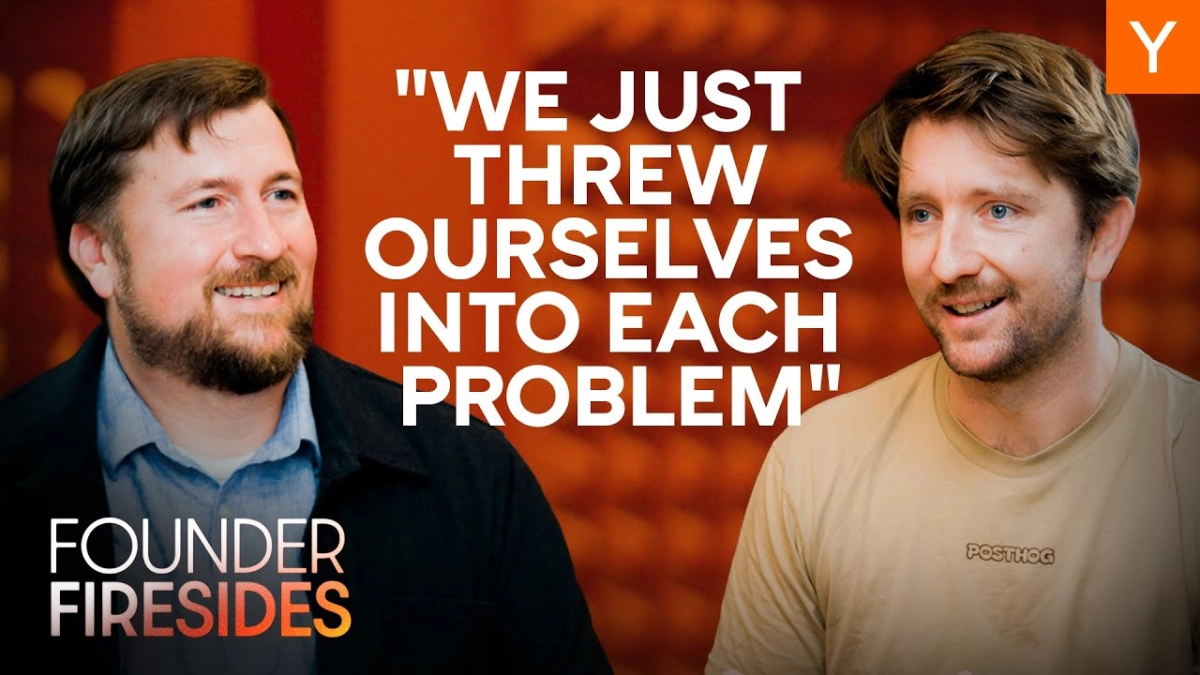
In an era increasingly shaped by artificial intelligence, the journey from a nascent idea to a billion-dollar valuation often hinges not just on innovation, but on a relentless pursuit of product-market fit, even through what many founders term "pivot hell." James Hawkins, Co-founder and CEO of PostHog, shared his company’s remarkable trajectory on Y Combinator’s 'Founder Firesides' series, speaking with General Partner Brad Flora. Their conversation illuminated PostHog's evolution, the breakthrough of open-source product analytics, and a distinctive brand strategy, all while navigating the complex landscape of startup growth and technological advancement.

PostHog's origin story is a testament to iterative development and an almost stubborn commitment to solving problems. Hawkins recounted how he and his co-founder cycled through an average of "one idea every like five or six weeks" for half a year. This period, dubbed "pivot hell," was characterized by constant experimentation and the frustration of repeatedly setting up product analytics for each new venture. This personal pain point ultimately sparked their breakthrough concept: self-hosted product analytics.


The insight was simple yet profound: if they, as technical founders, were constantly annoyed by the existing product analytics solutions, other developers likely felt the same. These tools, often built for product managers, forced engineers into tedious implementation rather than allowing them direct access to data. PostHog’s solution was an open-source, self-hosted product analytics platform, giving developers the control and flexibility they craved. "The first thing that worked for us... was self-hosted product analytics," Hawkins affirmed, highlighting how this focused, developer-centric approach was the key to unlocking their initial traction.

Early fundraising proved to be another crucible. The initial seed round, coinciding with the onset of the COVID-19 pandemic in March 2020, was particularly challenging. Hawkins recalled a period of intense uncertainty, with many investors pulling out. "Everyone just suddenly pulled out," he stated. Despite the market turmoil and personal anxieties, including his co-founder's concerns about visa issues, they persisted. They learned that in the absence of established metrics, a clear, well-articulated plan and unwavering conviction were paramount. "I think it's better to have a plan than it is to necessarily be like somewhat correct," Hawkins noted, emphasizing that a decisive direction, even if imperfect, was more valuable than indecision.

PostHog's journey from a self-hosted analytics tool has expanded significantly. The company now offers a suite of 16-17 products, from session replay to feature flags, and is aggressively integrating AI. Hawkins explained their current focus: "We're pushing very hard on getting more products still... we're automating a ton of things through AI." This strategic move aims to deepen their product capabilities and offer a more comprehensive customer data infrastructure, rather than merely expanding into new, disconnected verticals. This approach allows them to provide product autonomy, enabling users to understand customer behavior and build solutions more efficiently.

Beyond product, PostHog has cultivated a distinctive brand identity rooted in transparency and humor. Their "building in public" philosophy extends to detailed company handbooks, public financial metrics, and even a "shameless CTA" on their website. This openness fosters trust, a critical differentiator in a crowded market. Hawkins believes that in an environment saturated with noise, standing out requires more than just functional excellence; it demands personality.

Their unconventional marketing, exemplified by quirky billboards in San Francisco, deliberately leans into humor and self-awareness. These ads, often playfully referencing 1950s Americana or B2B SaaS tropes, aim to be "bizarre" and "totally out there" to capture attention. "We're happy to push so hard in the direction we think is something cool for our audience, that the people that we're really focused on are gonna care if they disproportionately hate it," Hawkins remarked, underscoring their strategy to polarize for engagement. This approach, he argued, is about cutting through the noise and demonstrating a savvy understanding of their audience, encouraging genuine engagement over passive consumption.

Hawkins reflected that the work now feels more leveraged and enjoyable than ever before. This sense of fun stems from having built a solid foundation, allowing them to take bigger, more impactful "swings" in product development and market strategy. Their journey exemplifies that true innovation often arises from a willingness to experiment, learn from failure, and maintain a human-centric approach, even as technology like AI reshapes the landscape.

#AI
#Artificial Intelligence
#How To Know
#Technology

AI Daily Digest

Get the most important AI news daily.

GoogleSequoiaOpenAIa16z
+40k readers

