

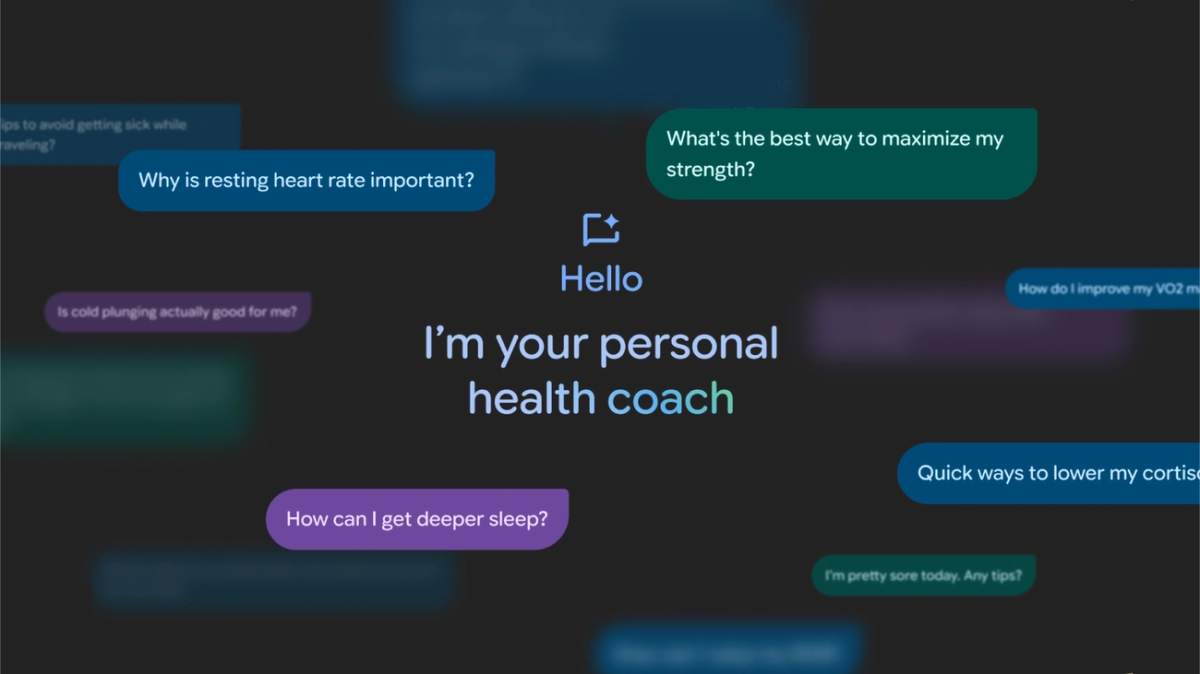
Fitbit has officially launched its AI-powered personal health coach into Public Preview for eligible U.S. Android Premium subscribers. This new offering positions itself as a comprehensive digital companion, functioning as a fitness trainer, sleep coach, and wellness advisor all rolled into one. The move signals a significant evolution for Fitbit, shifting from raw data presentation to delivering highly personalized, actionable health insights directly to users, and placing Google firmly in the advanced AI health space.
The core strength of the Fitbit AI health coach lies in its adaptive personalization, moving beyond generic advice to truly individual guidance. Users can actively tune workout suggestions, adjust their health goals on the fly, and even delve into detailed sleep data, as demonstrated by early testers. This dynamic interaction allows the AI to evolve with individual needs, offering tailored advice that responds to changing lifestyles or health events, such as recovering from an illness. The ability to revisit past conversations also streamlines the user experience, making it easy to reference previous recommendations without endless scrolling through a cluttered feed.
Crucially, the coach leverages Fitbit's established data collection capabilities to enhance its recommendations, making the process remarkably seamless. Activity detection from devices like the Pixel Watch 4 automatically populates workout details, enriching the user's fitness profile with minimal manual input. This tight integration of passively collected data with active user input creates a robust foundation for the AI to generate more accurate and relevant insights, moving beyond simple tracking to intelligent interpretation. The system is designed to learn from user behavior and explicit feedback, continuously refining its understanding of individual health patterns.
Proactive Insights Drive Engagement
Beyond reactive responses, the Fitbit AI health coach distinguishes itself through its capacity for proactive insights, a key differentiator in the crowded health app market. The system can offer unprompted observations, such as analyzing glucose processing based on high activity levels or identifying "social jet lag" affecting sleep quality. These unsolicited nudges move beyond simple data reporting, actively encouraging users to make informed adjustments to their daily routines. This proactive element transforms the coach from a mere data interpreter into a genuine, anticipatory wellness partner.
User feedback is paramount during this Public Preview phase, highlighting Google's commitment to iterative development. The platform incorporates a "Thumbs Up" feature, allowing users to explicitly signal which insights they find most helpful and relevant. This direct feedback loop is critical for Google, enabling the AI model to learn and improve its relevance and accuracy for a broader user base. It underscores an iterative development approach, where real-world usage and user preferences directly shape the AI's future capabilities and overall effectiveness.