

Artificial Intelligence

Fed's Kashkari on AI's Economic Impact

Neel Kashkari, President and CEO of the Minneapolis Fed, discussed AI's economic impact, inflation, and the labor market at Bloomberg Invest.

Mar 3 at 7:01 PM4 min read
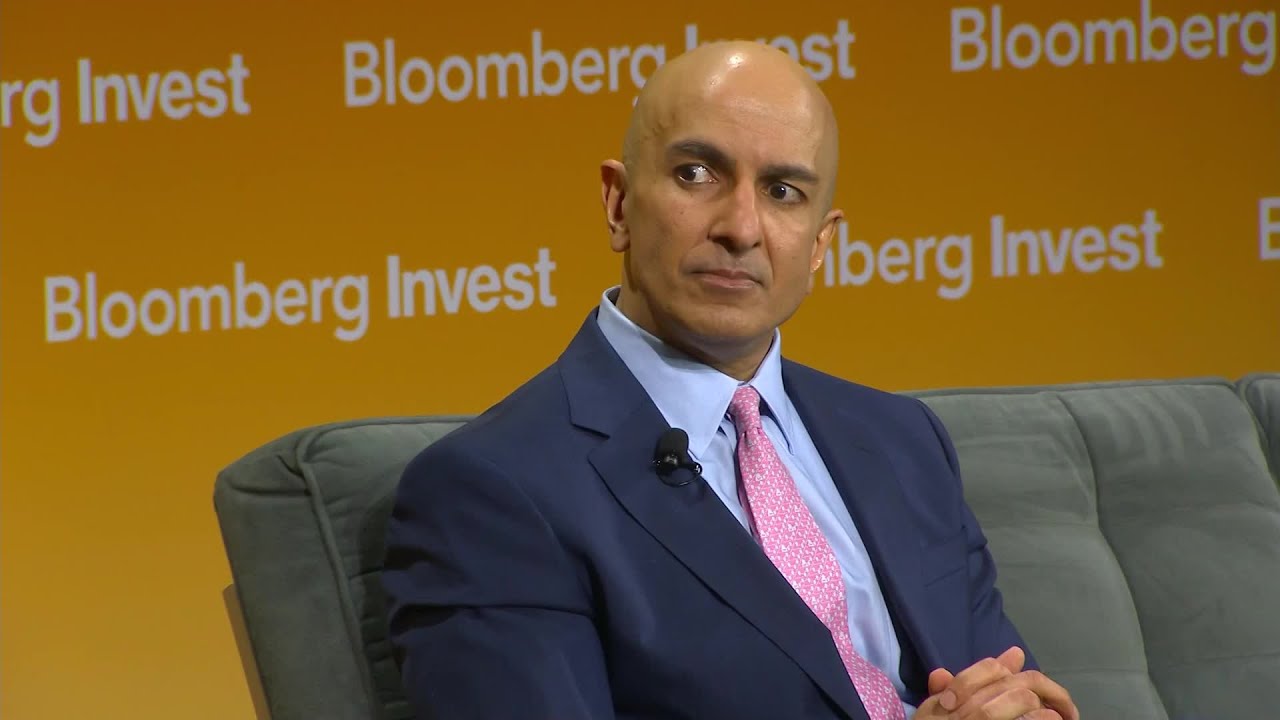
Neel Kashkari speaking at a Bloomberg Invest conference

In a wide-ranging discussion at the Bloomberg Invest conference, Neel Kashkari, President and CEO of the Federal Reserve Bank of Minneapolis, offered insights into the current economic landscape, the Federal Reserve's monetary policy, and the potential impact of artificial intelligence on the U.S. economy. Kashkari, a former Assistant Secretary of the Treasury for Financial Institutions and a key figure in the financial sector, emphasized the Federal Reserve's commitment to its dual mandate of achieving price stability and maximum employment.

Neel Kashkari's Perspective

Kashkari articulated the Federal Reserve's current stance on inflation and interest rates, noting the ongoing efforts to manage inflationary pressures while ensuring a healthy labor market. His experience as a central banker, particularly his tenure at the Minneapolis Fed, has provided him with a unique vantage point on the complex interplay between monetary policy, economic growth, and employment.

Inflation and Monetary Policy

The conversation touched upon the persistent inflation that has been a dominant concern for policymakers. Kashkari acknowledged that the Federal Reserve has been actively raising interest rates to curb inflation, a strategy aimed at cooling demand. He highlighted the delicate balance the Fed must strike: raising rates enough to bring inflation down without triggering a severe recession. He expressed confidence in the Fed's data-driven approach, stating that future policy decisions would be contingent on incoming economic data.

The full discussion can be found on Bloomberg Podcast's YouTube channel.
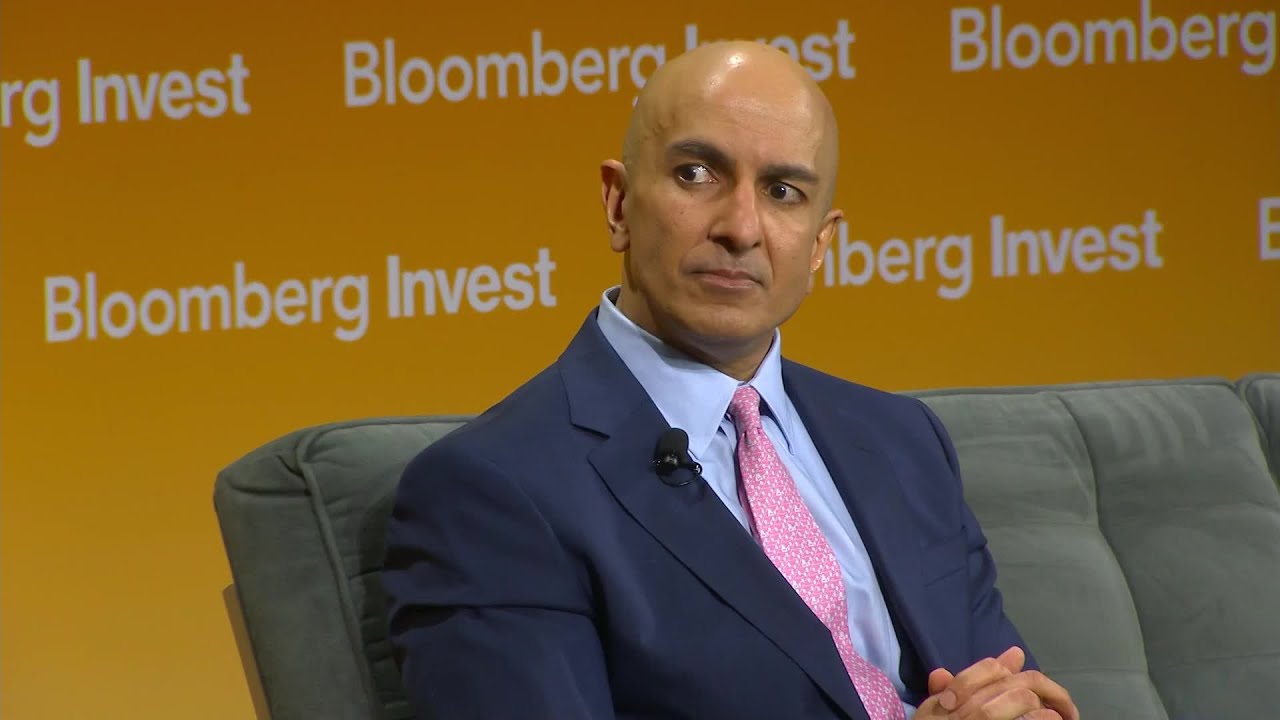
War Creates Uncertainty for Rate Path Says Fed's Kashkari (Full Panel) — from Bloomberg Podcast

The Role of AI in the Economy

A significant portion of the discussion revolved around the burgeoning impact of artificial intelligence on the economy. Kashkari pointed out that AI has the potential to significantly boost productivity, which could, in turn, help to alleviate inflationary pressures over the long term. He drew a parallel to previous technological advancements that have historically led to increased productivity and economic growth. However, he also cautioned that the exact impact of AI is still uncertain and requires careful monitoring.

Kashkari noted that while AI could enhance productivity, leading to lower prices in the long run, the transition phase might involve some disruption. He also mentioned that the widespread adoption of AI could influence the Federal Reserve's assessment of the economy's potential growth rate and, consequently, its neutral interest rate. He emphasized that the Fed is closely observing how AI adoption unfolds and its implications for the broader economic picture.

Labor Market Dynamics

The labor market was another key area of discussion. Kashkari described the current labor market as strong, with low unemployment rates. However, he also pointed to some signs of softening, such as a slight increase in unemployment in certain sectors, which the Fed is monitoring closely. He reiterated that the Fed's goal is not just to control inflation but also to maintain a robust labor market. He suggested that a cooling labor market, while potentially concerning in the short term, could be beneficial in the long run by helping to bring inflation under control.

Future Economic Outlook and Rate Hikes

When asked about the future path of interest rates, Kashkari indicated that the Federal Reserve would continue to be guided by data. He suggested that the Fed might pause its rate hikes if inflation shows consistent signs of coming down and if the labor market begins to weaken significantly. However, he also stressed that the Fed is prepared to raise rates further if necessary to achieve its price stability goals.

Kashkari's remarks underscored the Federal Reserve's commitment to navigating a complex economic environment. The interplay between inflation, employment, and technological advancements like AI presents ongoing challenges and requires a data-dependent and adaptive policy approach.