


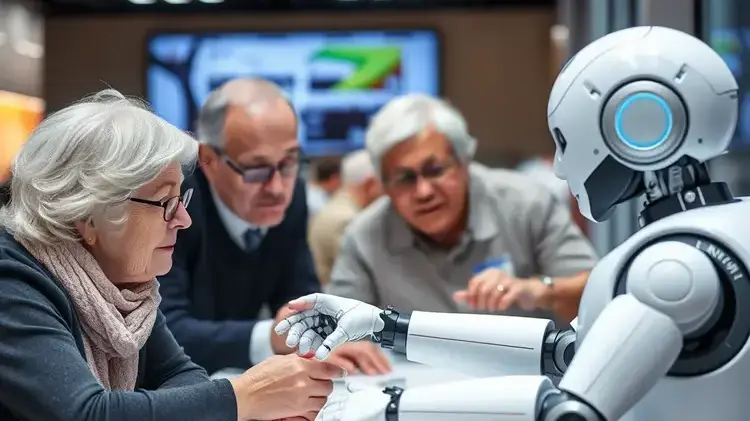
A new study from Chiba University, published in Scientific Reports on November 12, 2024, examines the factors that influence the willingness of older adults and caregivers in Japan, Ireland, and Finland to adopt home-care robots. With a rapidly aging global population and a shortage of care providers, home-care robots have the potential to support aging in place. However, their adoption has been limited by issues of acceptance and cultural differences.
The research involved 858 participants and explored aspects such as familiarity with robots, desired features, and ethical considerations. Common factors among respondents included a positive impression of robots, interest in robot-related news, and willingness to participate in research and development.
Country-specific preferences highlighted convenience in Japan, emergency notification features in Ireland, and design considerations in Finland, reflecting each region’s cultural and social priorities.
Home-care robots could bridge the gap in care availability by offering scalable solutions tailored to user needs. In Japan, where the government actively promotes robotics in healthcare, optimism toward their use is high. Ireland is seeing growing recognition of robotics in health and social care, while Finland’s emphasis on design reflects its global reputation for aesthetic and functional innovation.
The study emphasizes the importance of including users in the development process to improve product acceptance. A user-centric approach, which incorporates real-life expectations and challenges, can result in better-designed robots that address specific needs. This collaboration between older adults, caregivers, and developers is essential for validating products and expanding the use of home-care technology.
By fostering innovation and cultural sensitivity, home-care robots could become a practical tool for aging societies. Their ability to support autonomy and well-being while reducing the burden on caregivers offers a promising solution for the future of elder care. Integrating these technologies into diverse cultural contexts could transform the vision of “aging in place” into a global reality.
The study was conducted by Professor Sayuri Suwa, a faculty at the Department of Community Health Nursing at Chiba University of Japan.

