

Hollywood, often perceived as a realm of creative tradition, is demonstrating remarkable adaptability. From the rise of television to the streaming revolution, the industry has repeatedly integrated new paradigms, and artificial intelligence appears to be the next frontier in this ongoing evolution. This resilience and strategic embrace of innovation were central to a recent conversation with legendary producer Jerry Bruckheimer.
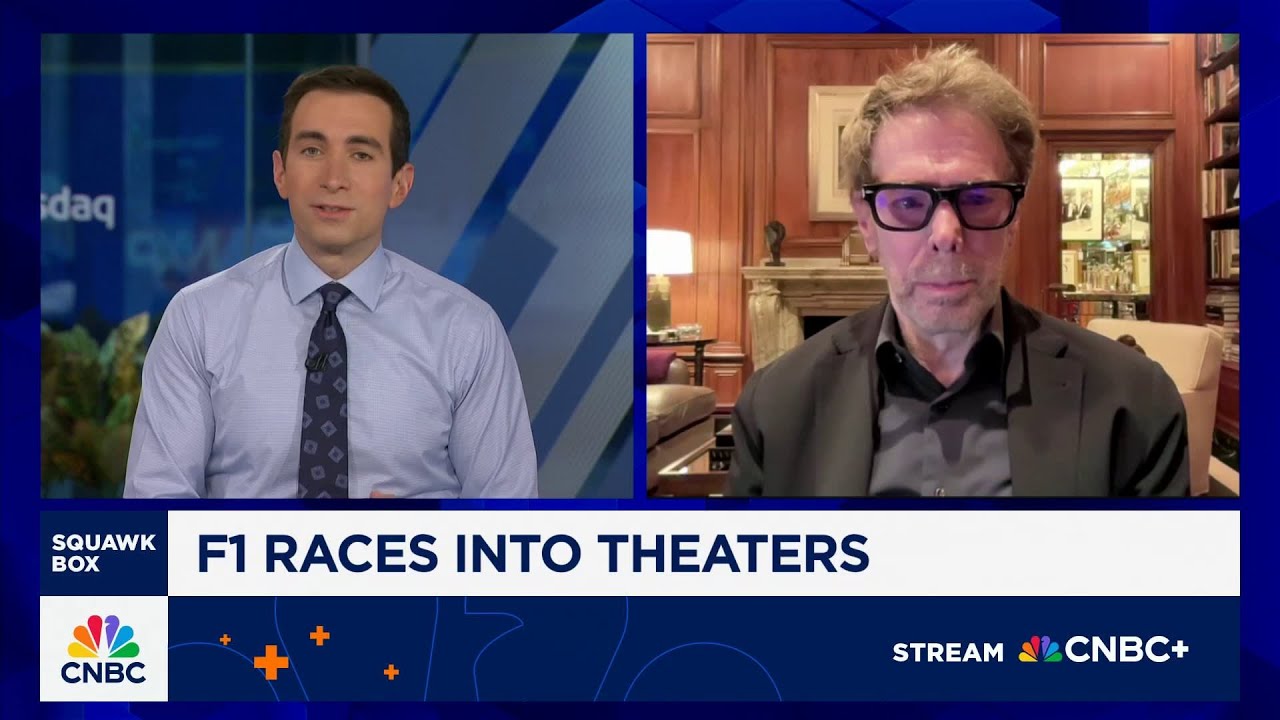
Jerry Bruckheimer, the prolific producer behind blockbusters like Top Gun, joined CNBC's Squawk Box to discuss the phenomenal box office debut of his latest film, F1. The interview delved into Apple's burgeoning role in theatrical releases, the interplay between cinema and streaming, and the ever-present impact of AI on the entertainment landscape.
Bruckheimer underscored the enduring power of original content and the theatrical experience. He highlighted the significant success of F1, noting, “It’s an amazing weekend for us to have this kind of success on a movie that is not a sequel.” This achievement is particularly noteworthy in a market often dominated by established franchises, demonstrating that compelling new narratives can still draw massive audiences to cinemas worldwide. The film’s global opening of $144 million, with $55.6 million domestically, signals a major win for Apple as it deepens its investment in big-screen productions.
Bruckheimer views the current industry shifts, including the advent of AI, through a historical lens of adaptation rather than existential threat. He calmly asserted, "We've been through this before. Look at, the movie business was over after television came in many years ago... Then DVDs came in... We're still alive." For Bruckheimer, new technologies like AI are tools to be leveraged, not feared. He believes AI will enhance the business by enabling creators to produce content "in a cheaper way and a better way." This perspective suggests that while AI presents challenges, particularly concerning talent rights, it also offers unprecedented opportunities for efficiency and innovative storytelling.
Ultimately, Hollywood's future, as envisioned by industry veterans like Bruckheimer, hinges on its continuous ability to engage audiences by pushing creative and technological boundaries. Whether through immersive theatrical experiences or diverse streaming content, the goal remains to transport viewers into captivating worlds. As AI advances, its potential to streamline production, enhance visuals, and even contribute to narrative development will be a key factor in how studios continue to evolve and capture the imagination of a global audience.