


Enterprise AI adoption, surprisingly, has not been a question of model capability, but rather the intricate dance of change management and integration. Ben Scharfstein, Head of Product, Enterprise Applications at Scale AI, recently joined a16z partner Joe Schmidt to unpack this dynamic, highlighting Scale’s strategic "forward-deployed engineering" approach as the key to unlocking true enterprise value.
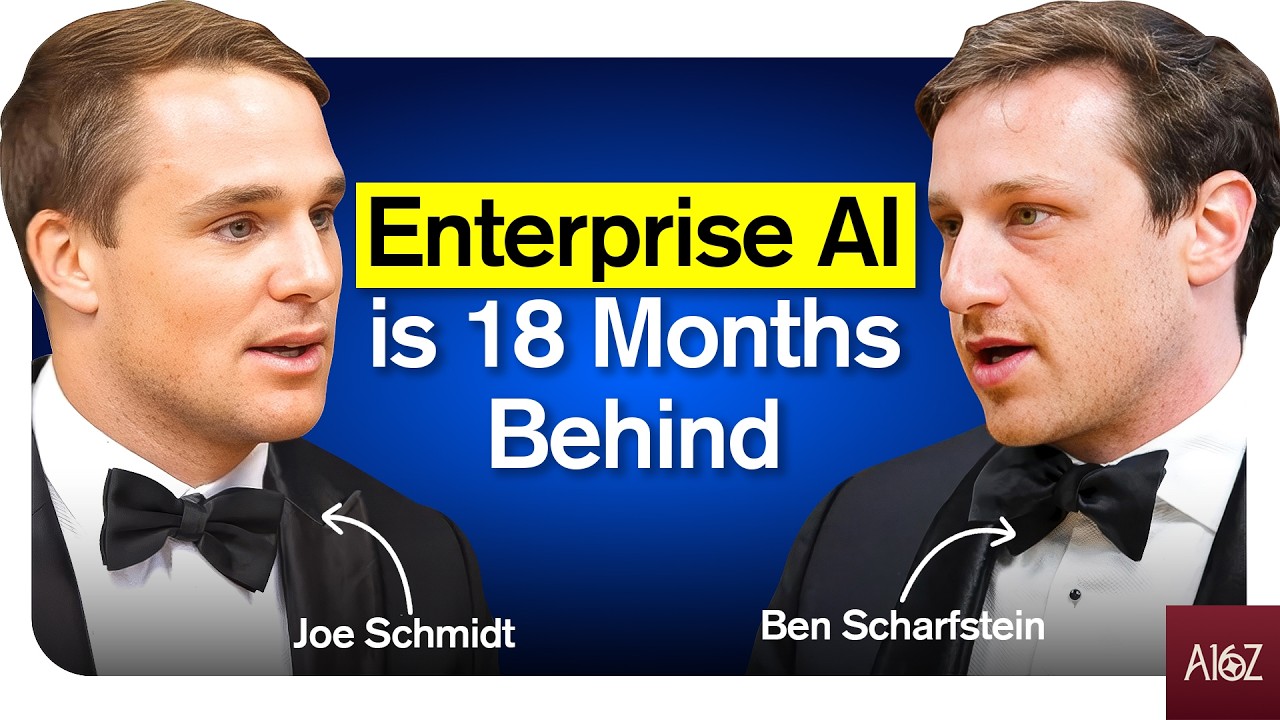
Schmidt and Scharfstein underscored that despite the consumer excitement surrounding generative AI, large organizations initially struggled to transition from pilots to production. Scharfstein articulated the core challenge: "It's not because of model capabilities. It's because of change management, and it's because of integrations... and also just kind of understanding like what is the UX, what's the paradigm, the security, all of those types of things." This gap between AI's potential and its practical application within complex enterprise environments created an 18-month lag between public perception and actual business impact.
The fundamental need for deep customization remains a constant. Scharfstein observed, "Enterprises still need all of that customization. They need all of the feature set, but it doesn't exist in the software and it doesn't exist anywhere." Scale AI addresses this through its unique "forward-deployed" model, embedding engineers, product managers, and machine learning specialists directly with clients. These teams delve into specific, often esoteric, problems, building bespoke full-stack applications that are tightly integrated with the client’s existing systems and data.
This bespoke approach directly tackles unique client challenges, bridging the gap between cutting-edge AI and specific operational needs.
This strategy, termed "trading margin for moat," is about more than just services. By tackling highly customized, complex problems for Fortune 500s and governments, Scale gains invaluable insights and helps clients capture their unique "secret sauce" within AI agents. This process generates proprietary data assets and embedded workflows, creating durable competitive advantages, network effects and high switching costs, that extend far beyond generic software features. Scharfstein succinctly states, "Your job is not to build a product, your job is to solve a problem." This problem-centric view allows Scale to address the 80% of enterprise needs that cannot be met by off-the-shelf solutions, ultimately bringing successful customizations back into Scale’s platform over time.