

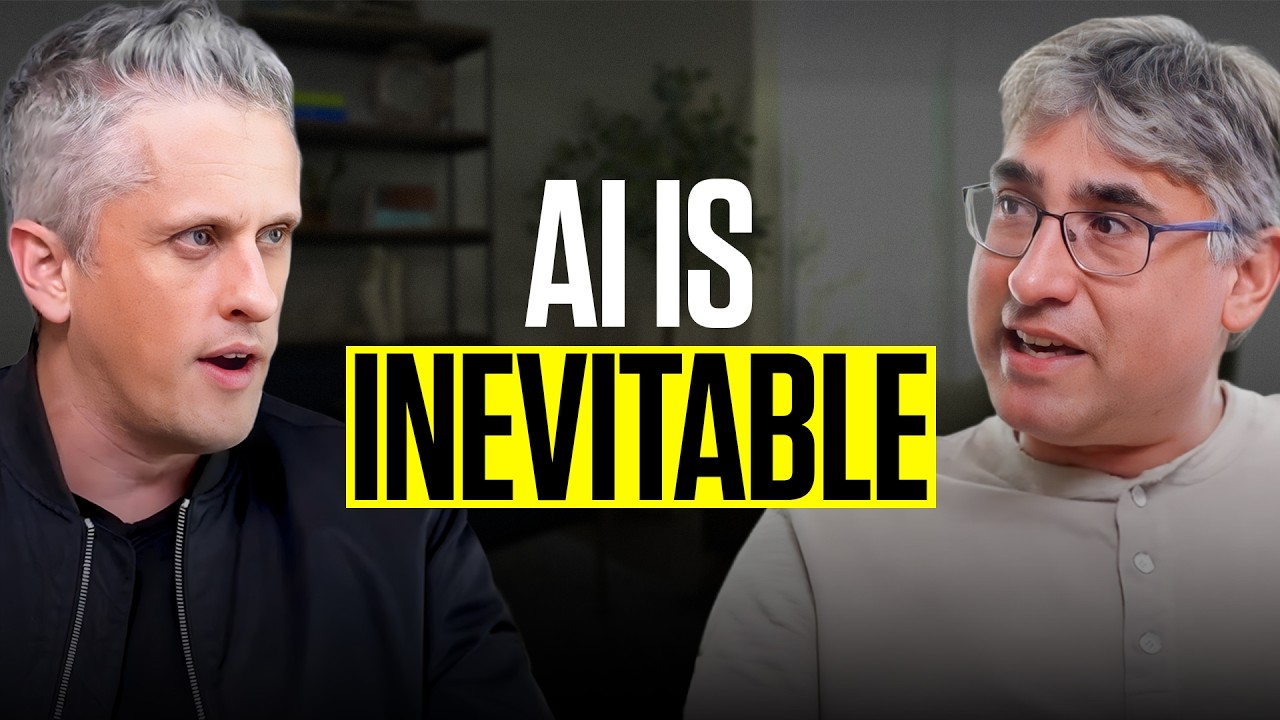
The widespread adoption of Artificial Intelligence within the enterprise is not merely an extension of its consumer counterpart; it represents a fundamentally different, yet perhaps faster, paradigm shift. As Box cofounder and CEO Aaron Levie articulated in a recent a16z podcast with General Partner Martin Casado, the enterprise landscape presents unique challenges and opportunities that diverge significantly from the consumer AI wave.
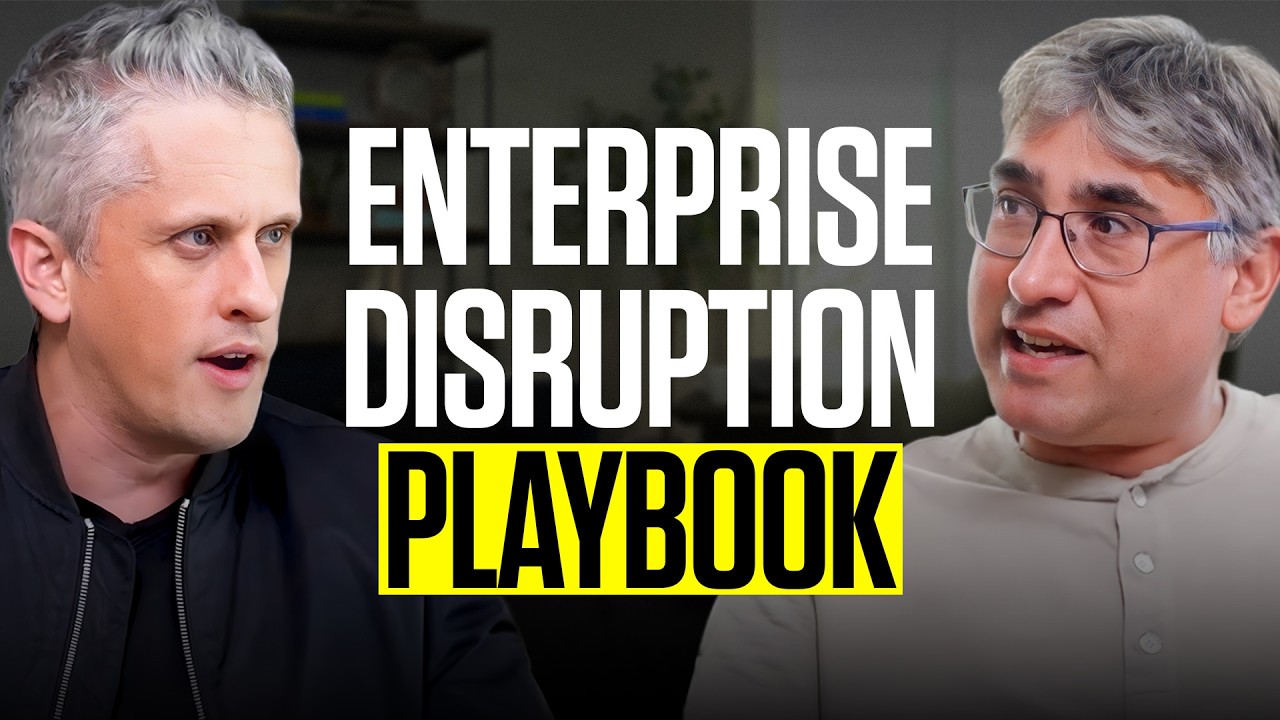
Levie highlighted that prior to the generative AI explosion, "AI was extremely hard to use. It required in many cases having custom models for basically every problem you tried to solve." This inherent complexity limited AI's initial impact to specialized B2B applications, largely excluding broader consumer interaction. However, the advent of generalized models and user-friendly interfaces like ChatGPT radically altered this dynamic, sparking rapid consumer adoption.
Despite the consumer-led genesis of generative AI, Levie posits that incumbents in the enterprise software space are surprisingly well-positioned. Unlike the cloud transition, where "old guard" companies often resisted SaaS models, today's CIOs and leadership teams are not merely curious about AI; they recognize its inevitability and urgency. "The level of buy-in you have now in the enterprise is like five times greater than we had in the early days of cloud," Levie observed, underscoring a critical shift in corporate mindset. This accelerated acceptance means enterprises are not asking *if* AI will take over, but rather, "We know this is going to happen, and it needs to happen to us faster than it happens to our competitors."
This urgency stems from AI's profound impact on workflow. Levie emphasized that the core question for businesses is no longer how fast a human can use a computer, but "how do these jobs begin to change?" The individual contributor is evolving from an executor of tasks to an orchestrator of AI agents. This transformation extends beyond traditional IT functions, opening up vast, previously untapped market categories in sectors like legal, healthcare, and education, where unstructured data has historically limited automation. These are greenfield opportunities for AI-native companies, as few entrenched software incumbents exist to tackle the unique complexities of these unstructured domains.
While challenges remain in integrating AI with legacy systems, ensuring data governance, and navigating liability concerns, the overall sentiment in the enterprise is one of proactive embrace. The ability of AI to unlock insights from unstructured content and automate complex workflows is driving a new era of productivity gains. This isn't just about incremental improvements; it's about fundamentally reshaping how work is done and creating new avenues for value creation across the global economy.