Disney’s recent $1 billion investment in OpenAI and its pioneering move to allow fans to generate AI videos with its iconic characters has sent ripples through Hollywood, signaling a pivotal shift in how intellectual property might be leveraged in the age of generative AI. This strategic embrace, lauded by some as a bold market leader move, simultaneously opens a Pandora's Box of complex questions regarding revenue models, creative control, and the very definition of ownership in an increasingly automated creative landscape.
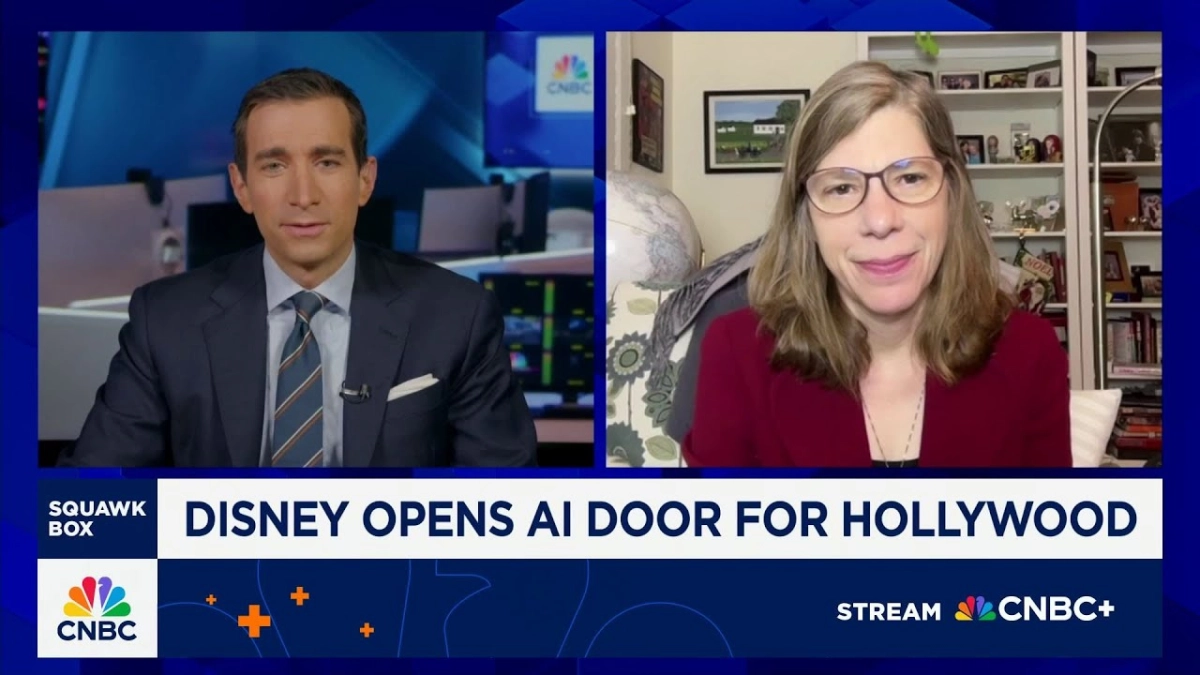
On CNBC’s "Squawk Box," Variety Co-Editor-in-Chief Cynthia Littleton joined the discussion, providing commentary on Disney CEO Bob Iger's earlier interview with David Faber. Iger had expressed immense satisfaction with OpenAI’s advancements and their willingness to license Disney’s content while also aiding in its protection, viewing the partnership as a means to make the company more efficient and grow its top line in the years ahead. OpenAI CEO Sam Altman, in a separate clip, underscored the mutual respect for intellectual property, stating, "We always have wanted to respect IP... Disney was the obvious one."
Littleton immediately recognized the magnitude of Disney's announcement, noting it was “the first thing that got people not talking about Warner Brothers and Netflix and Paramount and HBO.” The buzz in Hollywood is palpable, with other studios and the creative community now scrambling to evaluate Disney's motivations and the broader implications. This isn't merely about technological adoption; it's about setting a precedent for an industry grappling with disruption.
The financial underpinnings of this new venture remain largely opaque. Littleton candidly admitted that unpacking the economics – whether it’s a “pay per character, pay per use” model – is a significant challenge. Disney's commitment to screening user-created shorts on Disney+ suggests a deeper integration of fan-generated content, but the revenue sharing mechanisms are yet to be fully understood. This ambiguity highlights a nascent market, where the value of AI-generated content and the equitable distribution of its profits are still being defined.
Disney’s proactive approach, however, also wades into a legal quagmire. Littleton pointed out the existing litigation where Disney and Universal are already suing AI firms, underscoring the legal complexities that predate this partnership. The central question for many in the creative industry, including actors and writers, is where the line will be drawn between authentic, licensed content and potentially infringing user-generated material.
The distinction between a Disney-owned character and the likeness of an actor who brought that character to life is particularly thorny. For instance, while Darth Vader's persona might be Disney's IP, the actor's voice and movements contribute significantly to that character's identity. Similarly, Harrison Ford's portrayal of Indiana Jones or Johnny Depp's Captain Jack Sparrow raises questions about whether the actors themselves should participate in the revenue streams generated by AI recreations or manipulations of their performances. This is not a trivial concern.
The Writers Guild of America has already voiced concerns, labeling certain AI practices as a form of "copyright theft" for their members' creations. This tension between content ownership and the transformative nature of generative AI will likely play out in courtrooms and legislative chambers for years to come. State-level activity around name and likeness usage, particularly for deceased and living celebrities, is already intensifying, indicating a long and arduous process of legal clarification ahead. Disney’s move, while bold, is a gamble on the future, betting that they can define the parameters and mitigate the risks in a landscape ripe with both opportunity and contention.