

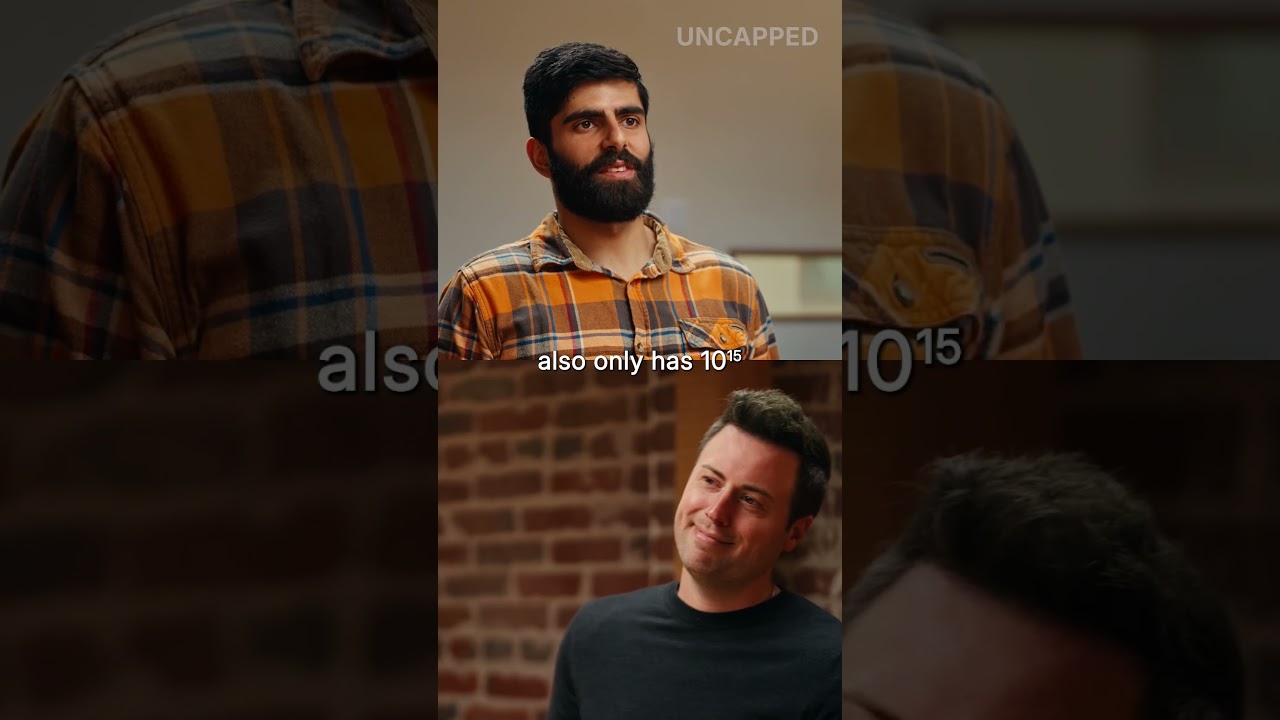
The notion of replicating a singular, visionary mind to achieve unprecedented organizational scale and coherence formed the crux of a recent discussion on the Uncapped podcast. The commentators explored the profound implications of "digital minds" as a revolutionary upgrade to human leadership, using figures like Elon Musk as a compelling, if currently limited, example.
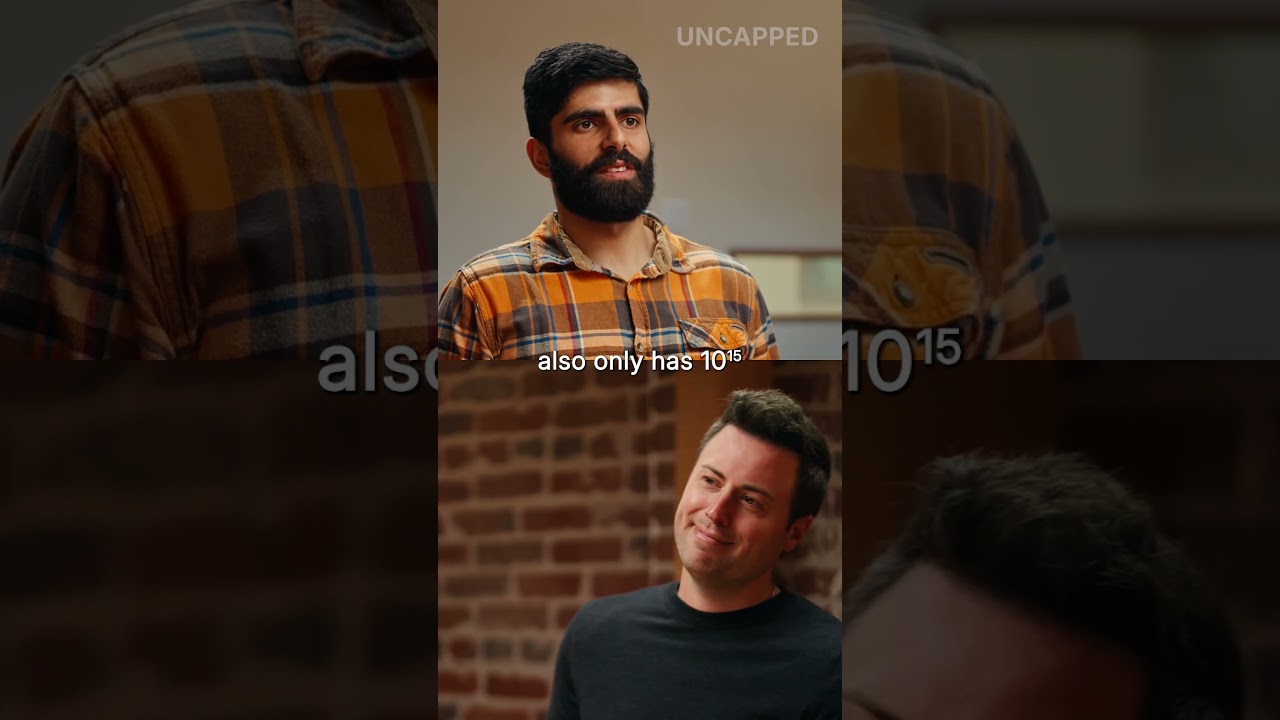
The host and a guest delved into how the inherent limitations of human cognition and capacity present a bottleneck for expansive, unified operations. They posited that while individuals like Elon Musk have achieved remarkable success across diverse technological domains, their impact remains constrained by being "just like one person."
This limitation, they argue, is precisely where digital intelligence offers a radical departure. If the unique cognitive processes of a brilliant leader were digitized, they could be infinitely replicated. "If they were digital, you could just replicate them like early SpaceX team, replicate them 1000 times, throw them at a thousand different hardware verticals and see what happens. Because you can't scale that with humans." This ability to clone and distribute a core intelligence across an enterprise, or even a multitude of enterprises, fundamentally alters the dynamics of growth and execution.
Consider the computational power. "Elon has the same 10^15 FLOPs in his head that every single other human has." This biological ceiling restricts the sheer volume of data and decisions a human leader can process and oversee.
In contrast, a digital mind could operate without such constraints. The commentators envisioned a "Mega-Elon" running on a dedicated data center, capable of an unparalleled level of oversight. Such an entity could "read every pull request, every comms input output to the company. He can like micromanage every single down to like the technician at the dealership." This level of granular control, impossible for any human, ensures a singular, unwavering vision permeates every layer of a vast organization, overcoming the delegation challenges that often dilute strategic intent in large corporations. The concept suggests a future where the founder's initial, intense vision could be maintained and scaled indefinitely, rather than diminishing with organizational growth. This presents a compelling, albeit potentially unsettling, future for corporate governance and innovation.