

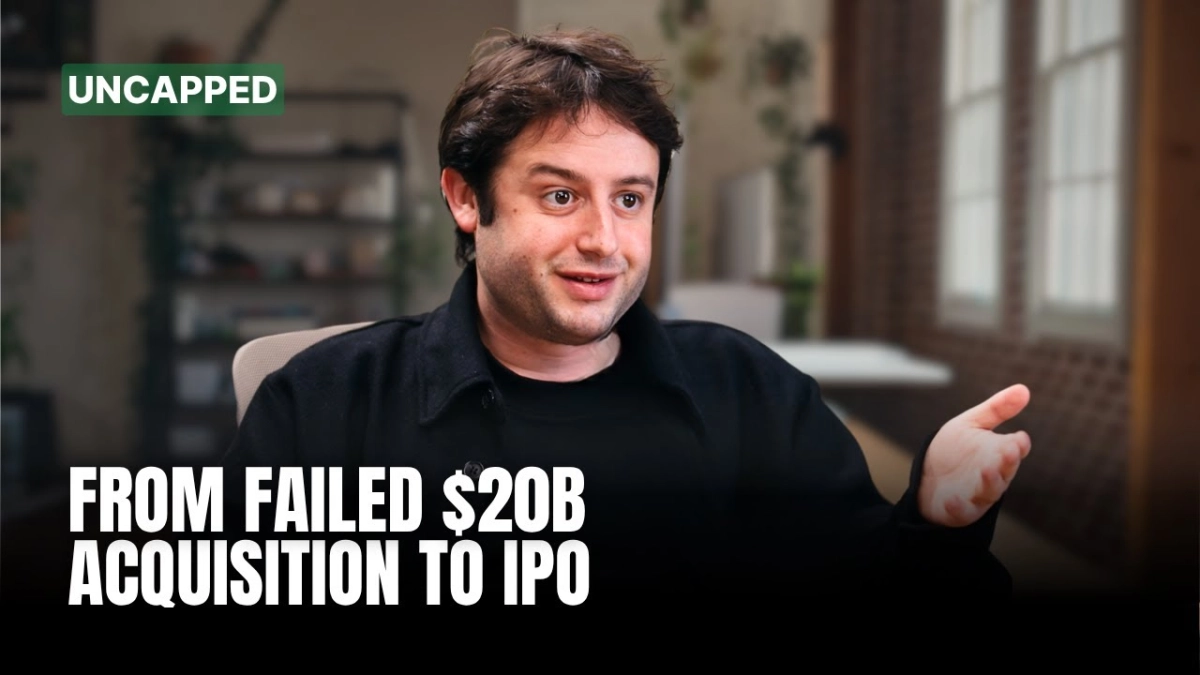
“Good enough is not enough. Good enough is going to be mediocre. And you're going to need to differentiate through design, through craft, through point of view, through brand, through storytelling, and marketing.” This stark pronouncement from Dylan Field, co-founder and CEO of Figma, sets the tone for a compelling discussion with Jack Altman on the Uncapped podcast. Their conversation delves into the evolving landscape of design, the strategic choices that shaped Figma, and the transformative, often disorienting, impact of artificial intelligence on the startup ecosystem.

Field spoke with Altman about Figma's journey, contrasting its deliberate, multi-year development with the frenetic pace of today's AI gold rush. Founded in 2012, Figma spent years in closed beta before publicly launching and monetizing, a "slow build" that Field now admits he sometimes wished they could have "speedrun." He candidly reflects on early missed opportunities, such as not hiring faster or recognizing product-market pull sooner when users were "literally begging us to go do things." Yet, this prolonged gestation allowed Figma to tackle fundamental technical challenges, like building a collaborative design product entirely in the browser, which ultimately became a formidable moat.
This patient approach stands in stark contrast to the current climate where AI startups often race from zero to millions in ARR within months. Field acknowledges the palpable pressure on founders to move with unprecedented velocity, driven by a venture capital landscape eager for rapid scale. However, he cautions against mistaking speed for sustainable value. A core insight woven throughout the interview is that while AI closes gaps and accelerates execution, it simultaneously elevates the importance of human-centric differentiation.
The merging of traditional roles, product manager, engineer, designer, is another significant trend Field observes, amplified by AI. He notes that AI empowers individuals to have broader impact, blurring the lines of specialization. Designers, for instance, are increasingly able to commit code or build prototypes, while product managers can move beyond PRDs to create working demonstrations. This isn't about eliminating roles, but rather expanding the scope and influence of each, demanding a more holistic understanding of the product lifecycle.
Related Reading
- OpenAI Codex: Intelligent Code Review Redefines Development Workflows
- OpenAI's Vertical Stack Ambition Signals AI's Industrial Evolution
One of Field's most compelling arguments centers on the vast, often overlooked, opportunities beyond the immediate "AI gold rush." He highlights companies like Ambrook, which assists farmers with financial and tax complexities, or Until Lab, working on reversible cryogenics with an interim focus on organ vitrification. These are not "really AI companies" in the conventional sense, but leverage advanced technology to solve profound, real-world problems. Field suggests that investors and founders fixated solely on "AI" may be missing these "gems" in less glamorous, but equally impactful, sectors.