


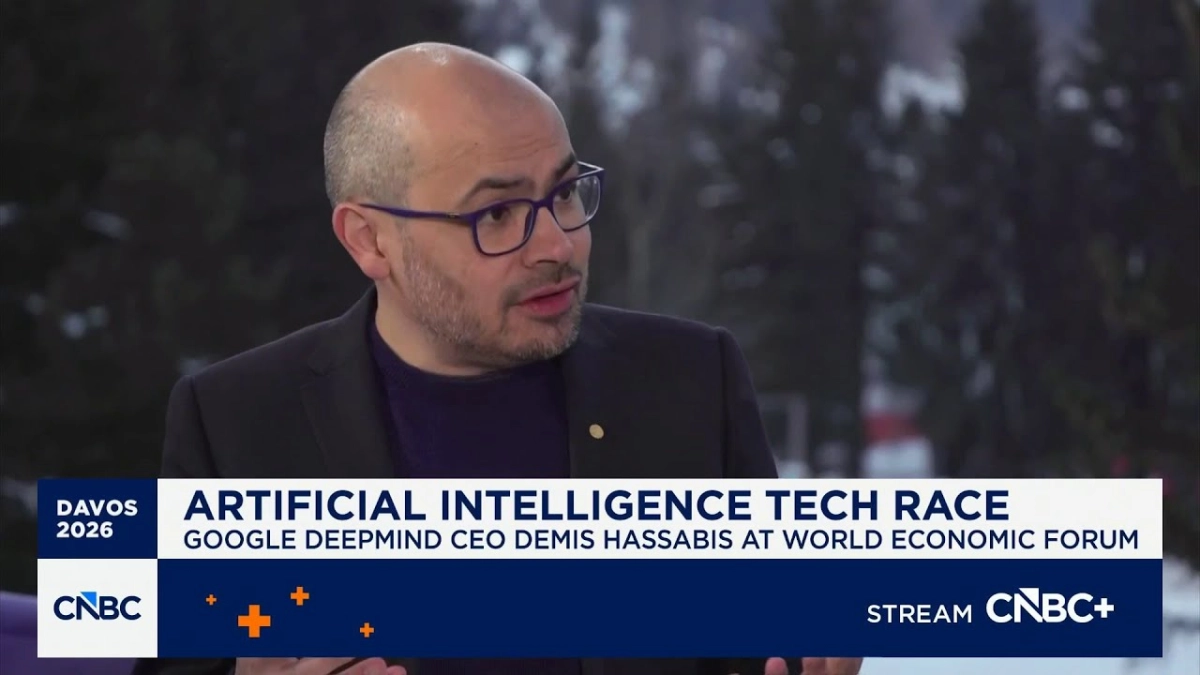
Demis Hassabis, Co-founder and CEO of Google DeepMind, offered a measured yet assertive view on the state of artificial intelligence, suggesting that while the industry is currently reaping massive gains from scaling existing foundation models, the journey to true Artificial General Intelligence (AGI) still demands fundamental scientific breakthroughs. Speaking with Andrew Ross Sorkin at the World Economic Forum in Davos, Hassabis addressed the dual challenges facing Google: integrating its powerful Gemini models across its massive product surfaces and simultaneously pushing the boundaries of core research required to achieve human-level intelligence.
The interview, captured during the Davos 2024 proceedings, centered on three main pillars: the rapid productization of Gemini, the technical roadmap toward AGI, and the socioeconomic implications of this technological acceleration, particularly regarding the perceived AI bubble and the future of work. Hassabis framed Google’s recent successes, including the integration of Gemini into Apple’s Siri, as the culmination of years of strategic organizational alignment. He noted that the last couple of years have been spent “to kind of corral together all of the assets that we have as Google and DeepMind: incredible research bench, our TPUs, and all of the kind of research we’ve been doing over the last decade plus really that underpins a lot of the AI industry.” This perspective underscores the competitive advantage held by hyperscalers who control both the cutting-edge research and the proprietary compute infrastructure necessary to train and deploy these models efficiently.