

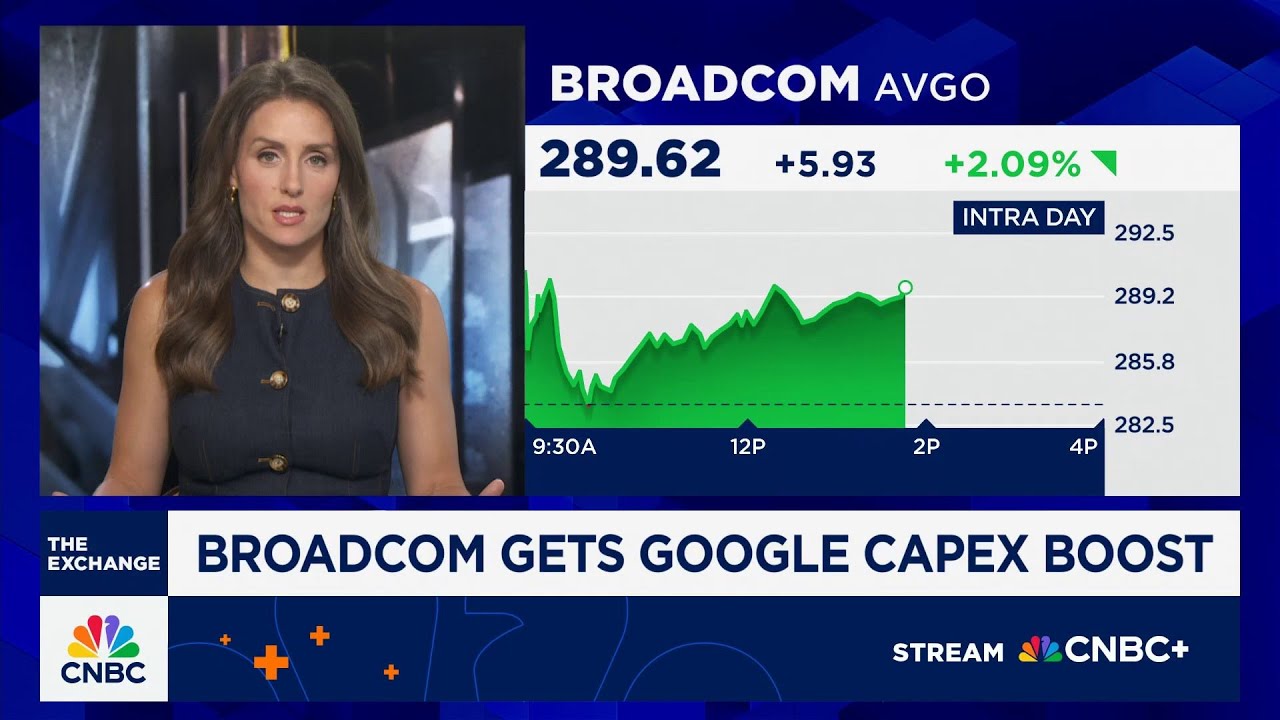
The burgeoning artificial intelligence landscape is witnessing a pivotal shift, as major tech players increasingly eye bespoke hardware solutions over traditional general-purpose chips. This strategic pivot, driven by the relentless pursuit of efficiency and cost optimization, poses a significant competitive challenge to established semiconductor giants like Nvidia and Broadcom.
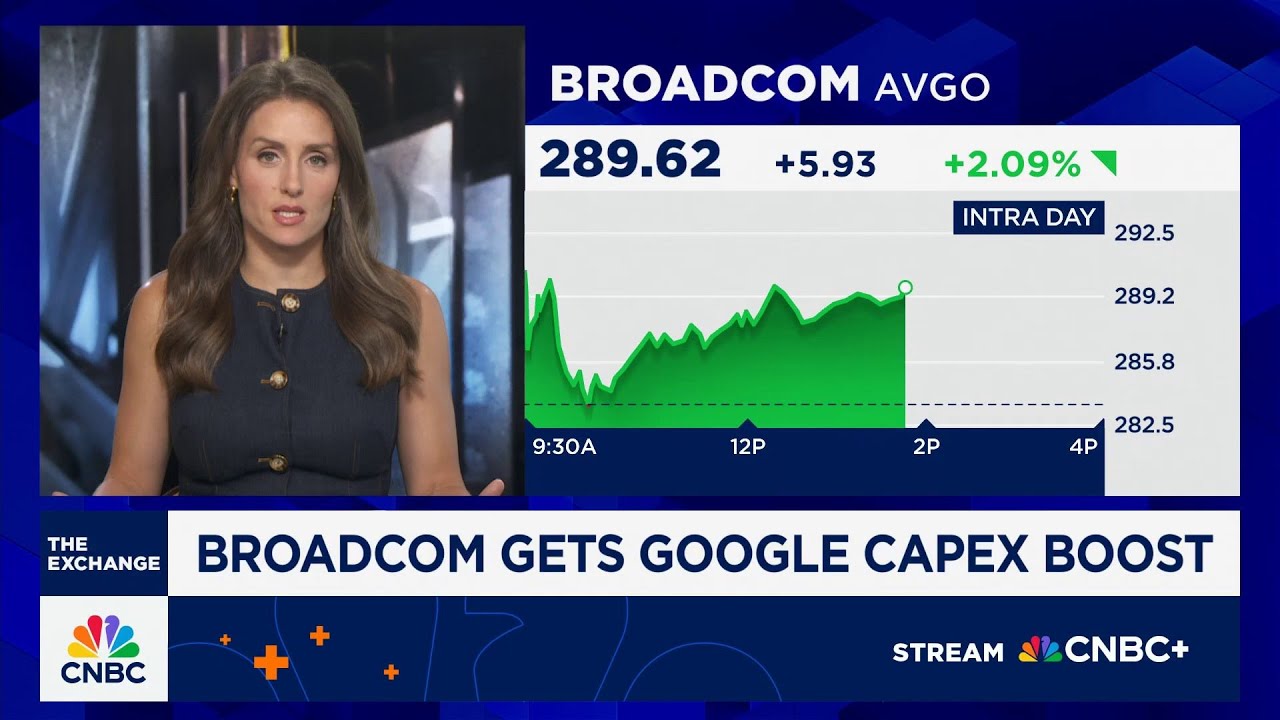
On a recent segment of CNBC's 'The Exchange', Kristina Partsinevelos joined the discussion to dissect Google's substantial capital expenditure boost and its broader implications for the chip industry. Her commentary, framed around the growing trend of custom AI silicon, provided sharp insights into the evolving dynamics between leading cloud providers and their hardware suppliers.
Google's recent decision to increase its capital expenditure by $10 billion, bringing its total to $85 billion this year, is primarily directed towards enhancing its server and data center infrastructure. This significant investment has naturally buoyed shares of chipmakers like Broadcom, a long-standing partner in developing Google's Tensor Processing Units (TPUs) since 2016, designed for advanced AI computing. However, beneath this immediate uplift lies a deeper narrative of potential disruption.
Reports suggest a strategic re-evaluation by hyperscalers like Google and Meta, who are reportedly exploring collaborations with Taiwan-based MediaTek for more cost-effective AI chip alternatives. MediaTek's emerging "cost edge" in custom silicon is not merely an isolated development; it signals an impending era of tougher competition within the Application-Specific Integrated Circuit (ASIC) market. While Nvidia's Graphics Processing Units (GPUs) currently offer unparalleled flexibility for diverse AI workloads, the maturation of these applications could shift priorities towards specialized chips optimized for speed and cost.
Nvidia CEO Jensen Huang, while publicly acknowledging the burgeoning interest in ASICs, maintains a confident stance. In March, he asserted, "The ASIC still has to be better than the best." More recently, in June, he offered a pointed prediction regarding the proliferation of custom chip projects: "I do believe most of them are going to get canceled." Huang attributes Nvidia's enduring lead to its comprehensive ecosystem, particularly its extensive CUDA software platform, which provides a significant moat against new entrants.