

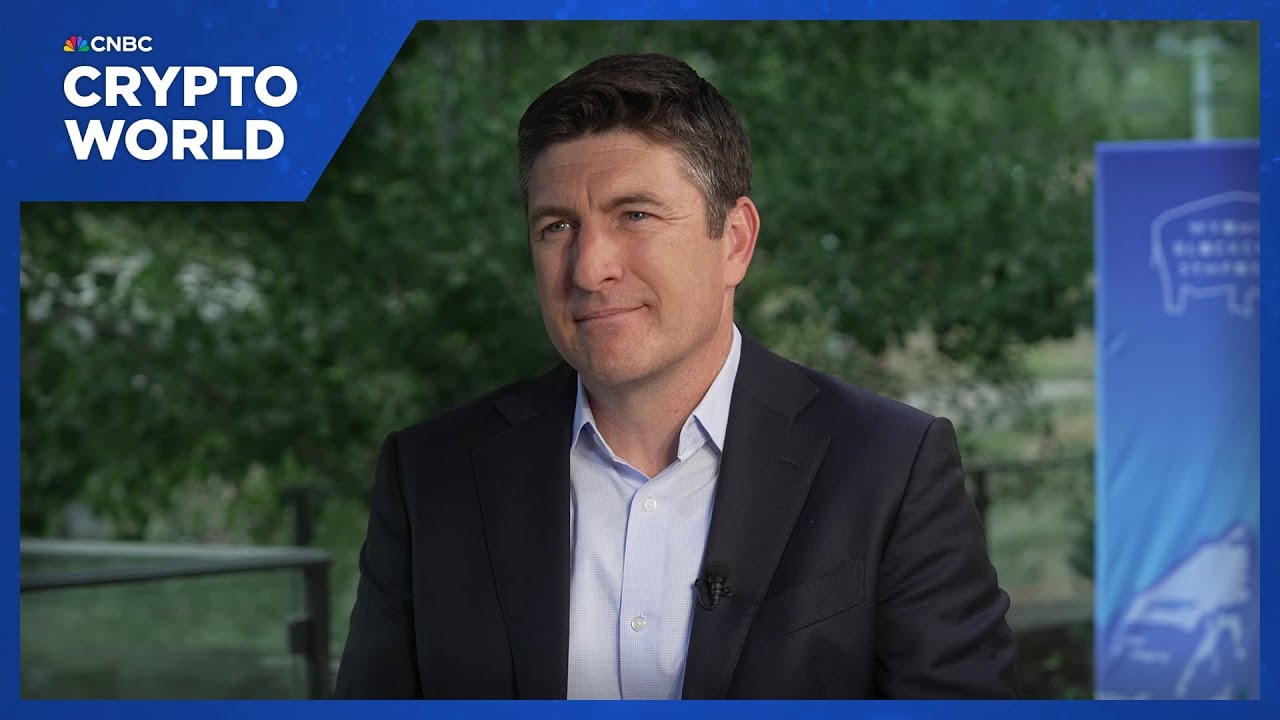
The prevailing U.S. regulatory framework for digital assets is fundamentally outdated, a system "often based on rules that were drafted almost a hundred years ago," states Representative Bryan Steil (R-Wisconsin). This antiquated approach, he argues, has inadvertently stifled domestic innovation and led to a critical "lack of consumer protection" as companies migrate offshore. His comments came during an interview with CNBC at the Wyoming Blockchain Symposium, where he discussed the urgent need for comprehensive crypto policy.
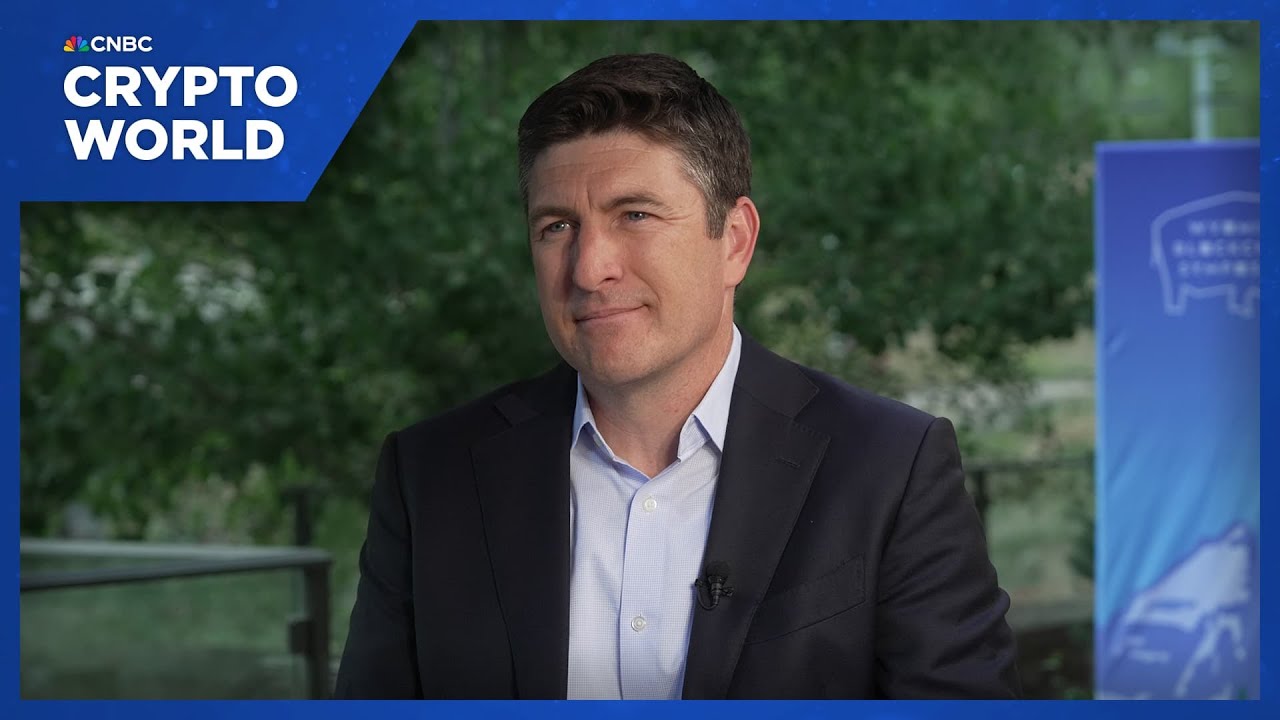
Rep. Steil, Chair of the House Subcommittee on Digital Assets, spoke with CNBC's Kailey Leinz about the CLARITY Act, a bipartisan legislative effort he co-sponsored, aimed at establishing a robust regulatory framework for the burgeoning crypto industry. He firmly believes this act, which recently passed the House and now moves to the Senate, is crucial for both fostering innovation and safeguarding consumers.
The core insight underpinning the CLARITY Act is its potential to create a predictable environment for digital asset development. By setting clear rules, the legislation intends to empower regulators to effectively address abuses while simultaneously encouraging companies to innovate and develop within the United States. This clarity is not merely about compliance; it's about channeling entrepreneurial energy back home.
Rep. Steil emphasized the inherent advantages of the American market, noting, "The US has the best regulatory framework globally. We have the best capital markets around the world. And we have the best human capital, the best talent anywhere in the globe." This confluence of factors makes the U.S. an attractive hub for digital asset innovation, provided the regulatory landscape is supportive.
Coupled with the recently enacted GENIUS Act, which addresses stablecoin regulation, the CLARITY Act marks a "watershed moment" for the U.S. digital asset industry. This legislative tandem is expected to trigger significant investment, create jobs, enhance consumer protection, and ultimately strengthen the U.S. dollar's global dominance. Rep. Steil expressed optimism for the CLARITY Act's passage in the Senate, acknowledging potential amendments but stressing the solidity of its underlying framework.