

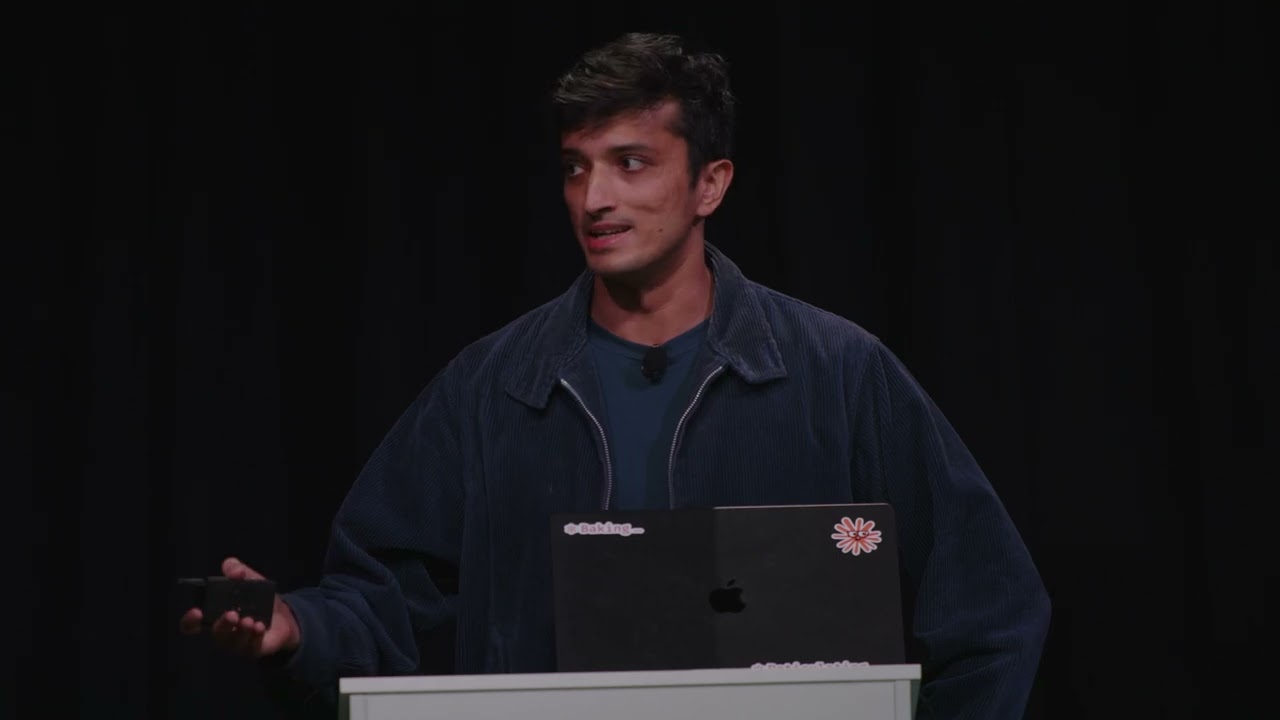
At Anthropic's Code w/ Claude event in San Francisco, Sid Bidasaria, a Member of Technical Staff, demonstrated a significant step forward in developer automation. He unveiled the Claude Code SDK and a new GitHub Action, tools designed to move AI from a simple assistant to an active agent within the software development lifecycle. The core of the announcement is a shift in how developers can interact with powerful coding models.
Sid Bidasaria spoke at the event about providing programmatic access to Claude's coding capabilities in headless environments. This means developers can now integrate the agent directly into scripts, CI/CD pipelines, and other automated workflows. Bidasaria described the new SDK as "a new kind of primitive and a new kind of building block that allows you to build applications that just weren't possible before." It's a foundational tool that treats the AI agent less like a chatbot and more like a composable command-line utility.
This approach is rooted in a classic developer paradigm. The SDK was designed with a "Unix-ish tool philosophy," making it powerful because developers can "plug it in anywhere where you can run bash or a terminal." This design choice is critical. It allows Claude Code to be chained with other commands, pipe log files directly into the agent for analysis, or automate complex tasks within existing infrastructure without needing a graphical interface. The focus is on seamless integration into the places where developers already work, rather than forcing them into a separate application.
The new `@claude` GitHub Action, built on the SDK, provided a compelling live demonstration of this potential. Bidasaria tagged the `@claude` bot in a GitHub issue with a natural language request to implement a new feature for a sample quiz application. The agent responded by creating a detailed to-do list, analyzing the existing codebase, designing the system architecture, writing the necessary code across multiple files, and ultimately opening a pull request with the completed feature. The entire process was automated, turning a simple issue comment into a functional PR.
This shifts the model from a passive code suggester to an active, autonomous agent. The implications for developer productivity are significant.