

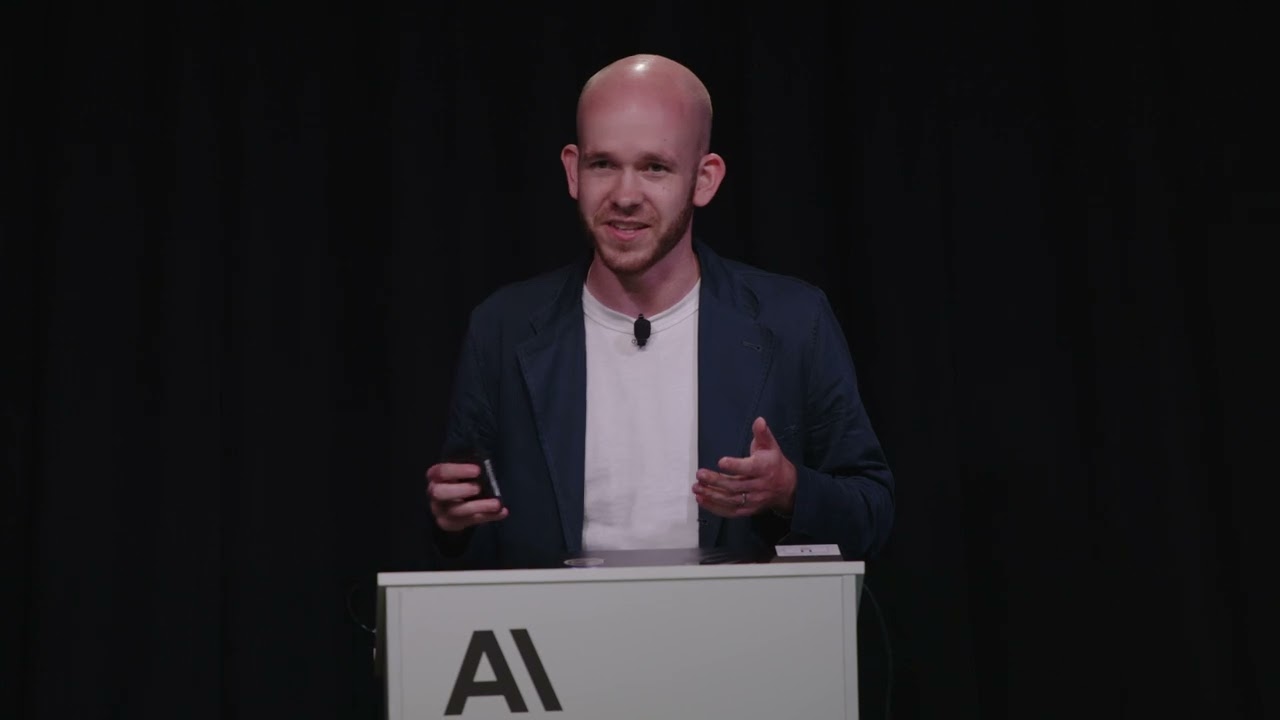
Cal Rueb, a Member of Technical Staff at Anthropic, recently presented at Code w/ Claude, detailing the best practices and foundational principles behind Claude Code. His insights painted a picture of an AI assistant that transcends mere code generation, acting as a versatile partner across the entire software development lifecycle. Rueb, whose journey with Claude Code began as an enthusiastic early adopter, recounted how using the tool transformed his personal coding habits, allowing him to get "way farther into the project than I ever would have on my own."
Anthropic's design philosophy for Claude Code centers on building "the simple thing that works," manifesting in a "very pure agent." This agent, unlike some more complex systems, doesn't rely on pre-indexed knowledge of an entire codebase. Instead, it operates through an innovative "agentic search" mechanism, mimicking how a human developer would explore and understand a new project. By leveraging standard terminal tools like `glob`, `grep`, and `find`, Claude Code can systematically navigate, read, and interpret project structures, offering a profound level of codebase awareness without requiring manual context feeding.
The utility of Claude Code extends far beyond just writing new lines of code. It fundamentally augments the entire software product development lifecycle. From the initial discovery phase, where it can analyze Git history to "tell me a story about how this code has changed," to aiding in design by acting as a "thought partner" for planning and architecture. During the build phase, it excels at implementing code, writing and executing tests, and configuring environments. Furthermore, its headless automation capabilities, accessible via SDK, enable integration into CI/CD pipelines and facilitate large-scale refactors, making daunting migrations of legacy codebases "a little more digestible."
To truly unlock Claude Code's potential, developers should embrace certain best practices. Strategic use of `CLAUDE.md` files in relevant directories allows for persistent context, documenting commands, style guidelines, and key project information that the agent automatically ingests. This ensures consistent behavior and shared understanding within teams. Effective permission management is also crucial; while Claude freely reads and searches, it requires explicit user approval for writing or executing commands, providing a critical balance of power and control. For seamless workflows, integrating Claude with existing CLI tools like GitHub's `gh CLI` allows it to handle complex version control tasks, freeing developers to focus on solutions rather than syntax.