

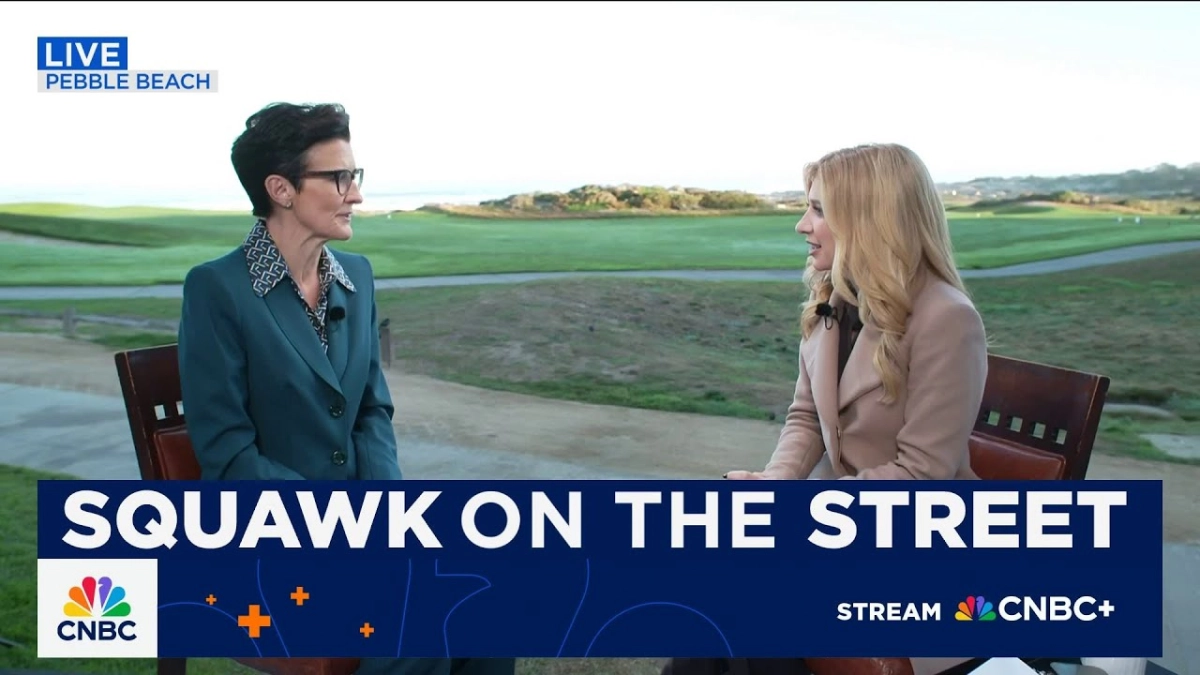
Citi CEO Jane Fraser, in an exclusive interview with CNBC's Sara Eisen at Citi's tech leadership summit in Pebble Beach, California, offered a pragmatic perspective on the current state of artificial intelligence, the bank's ongoing transformation, and emerging risks in private markets. Fraser articulated a nuanced view of the AI landscape, asserting that while "some of the hype in AI is earned, some of it is 'exuberant'," a sentiment that resonates deeply within the startup ecosystem and among tech insiders grappling with rapid innovation and market volatility.
The conversation, set against a backdrop of a turbulent week for markets with the Nasdaq down 4%, delved into the sustainability of the current AI boom. Fraser acknowledged the undeniable dynamism of AI, noting its transformative potential across "all industries and all businesses," not merely the technology sector itself. This widespread applicability, she suggests, implies that significant investment in computing power and capacity is not misplaced. "I don't think at the end of the day anyone is going to say that we underinvested in power and in capacity and compute," she stated, underscoring a belief in the fundamental utility and long-term demand for AI infrastructure.
However, this optimism is tempered with a clear-eyed assessment of the economic realities. The current environment, according to Fraser, definitely favors the "scaled player" and those with the capacity to invest at pace. This observation is a critical insight for founders and VCs, highlighting the increasing capital intensity required to compete effectively in the AI race, potentially leading to market consolidation or significant barriers to entry for smaller firms. The advantages in the AI space are measured in "weeks," not months or years, indicating an unprecedented speed of innovation and competitive cycles.
Fraser also addressed concerns about the debt fueling investment and expansion in both public and private markets. While she expressed confidence that the substantial capacity being built will ultimately be utilized, her focus shifted to the quality of credit decisions, particularly in the private asset space. "Credit quality is credit quality, whether it's in the public market or the private market, it is no different," she remarked, emphasizing that established players like Blackstone, Apollo, or Ares maintain stringent standards.
Her primary concern lies with smaller players in less transparent private markets. She subtly alluded to potential vulnerabilities, noting, "There are a few [cockroaches] around, yes," when pressed about bad credit decisions. This highlights a significant risk for the startup ecosystem, where aggressive growth strategies, often fueled by debt, might overlook foundational credit principles. Such idiosyncratic risks, while not necessarily systemic for the broader financial system, can pose considerable challenges for individual companies and their investors.
Related Reading
- AI Hyperscalers Fuel Debt Surge, Offering Unique Investor Opportunity
- AI Stock Repricing Signals Market Caution
- Tech Valuations Under Scrutiny as Market Correction Looms
Shifting to Citi's internal progress, Fraser detailed the bank's ongoing transformation journey. She was pleased with the progress and the firm's ability to deliver results, including 9% growth last quarter. However, she was explicit that "2026 was a waypoint, it's not the destination," signaling a continuous commitment to evolution rather than a fixed endpoint. The firm is actively "on the front foot," innovating across digital assets, cards, and banking, aiming for growth through deepening existing client relationships, new client acquisition, and relentless innovation.
A core insight from Fraser’s commentary is the strategic deployment of AI to empower human capital. Citi is leveraging AI tools to automate the "boring parts" of employee work, thereby freeing up talent to focus on higher-value activities. She shared concrete examples of AI's impact, such as saving 100,000 hours for software developers, automating the first drafts of performance evaluations, and streamlining compliance checks. "How do we arm our people with the tools so they can get out of doing some of the more boring parts of their work... and really unleash more innovation," she articulated. This approach aims to uplift talent, enabling them to concentrate on innovation, client advice, and selling, rather than routine service tasks. Fraser conveyed her excitement about AI's initial success in driving productivity and its gradual expansion into improving client experience and generating revenue, recognizing this as merely the "tip of the iceberg."



