
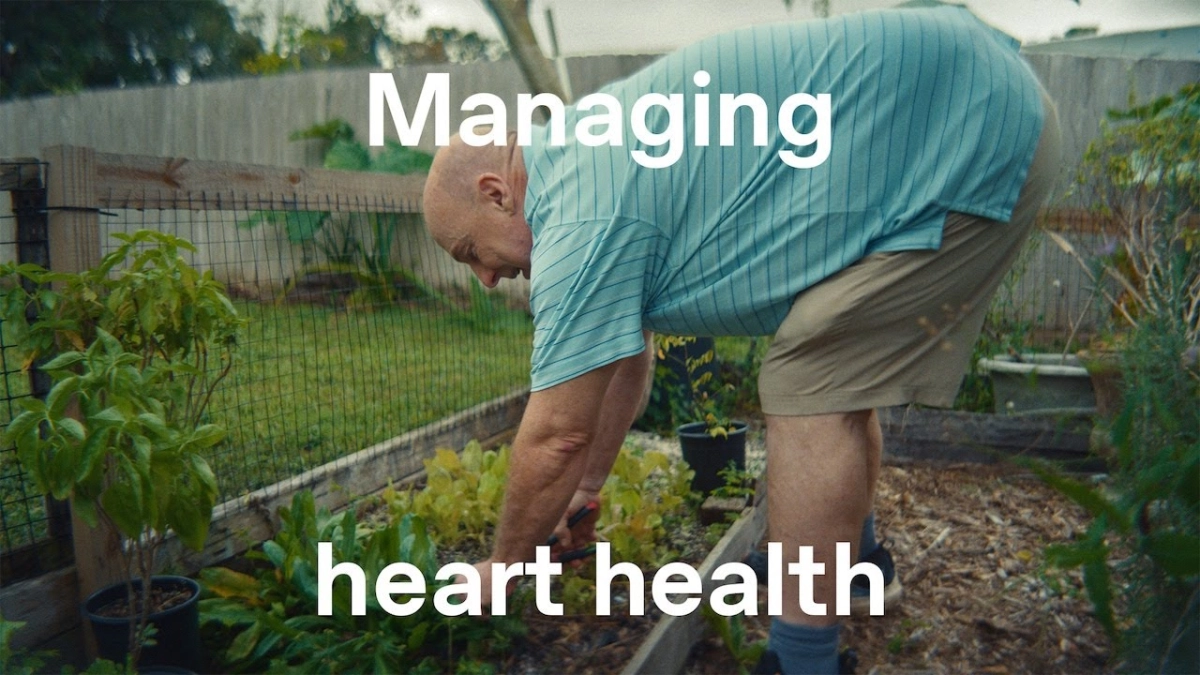
The promise of artificial intelligence in healthcare has long been conceptualized as improved diagnostics or drug discovery; yet, the most immediate and profound impact is emerging at the hyper-personalized, daily management level. This is the central thesis demonstrated in the case study of Steve, a Florida resident living with chronic heart failure, who relies on ChatGPT to execute a complex, life-extending care plan. Steve’s narrative illustrates a pivotal shift: AI is transforming from a static information repository into a dynamic, context-aware health co-pilot, driving daily behavioral change that directly impacts mortality metrics.
Steve, diagnosed with heart failure 12 years ago, was initially given a dire prognosis. “I had a three-to-five-year life expectancy,” he recounts. His medical team prescribed anti-inflammatory medications, but Steve sought to augment this pharmaceutical regimen with proactive dietary and lifestyle changes. The challenge was translating general anti-inflammatory guidelines into actionable, personalized steps that fit his life, his kitchen, and his local environment. This is where the contextual intelligence of the large language model becomes indispensable.
The video, effectively a demonstration of OpenAI’s vision for applied LLMs in chronic care management, showcases how the system synthesizes disparate data points—medical baseline, medication schedule, local resources, and real-time input—to provide prescriptive guidance. Steve uses the model to integrate natural anti-inflammatory components into his meals, drawing directly from his home garden. He realized, through consultation with the AI, that elements he already cultivated were medically advantageous. "Virtually every single one of the herbs are anti-inflammatory," he noted, demonstrating the system’s ability to connect his immediate environment with his clinical goals.
The true innovation here is the friction reduction inherent in the multimodal capabilities. Traditional diet tracking applications fail due to user fatigue; manually logging ingredients, portion sizes, and preparation methods is tedious and unsustainable for long-term chronic management. ChatGPT bypasses this hurdle by integrating vision and natural language understanding. Steve simply logs his meal preparation or takes a photo of his food at a local restaurant. The system does not just identify the ingredients; it applies complex algorithms against his stored health profile.
The AI knows what he has in the house, what he has in the garden, and even the restaurants he frequents. It provides tailored recommendations, advising him on the best low-inflammation options when dining out.
The result is a calculated, real-time "inflammation score" alongside traditional macro and calorie counts. “I can take a picture of the plate before and after the meal and it will calculate the calories and the inflammation score for that meal,” Steve explains. This instant feedback loop—the visual input immediately translating into a personalized risk metric—is the critical interface advance that drives adherence. For founders building applications in the digital health space, this level of seamless data capture and contextual synthesis represents the new minimum viable product standard. It moves beyond simple tracking to active, informed risk management.
For VCs analyzing the longevity market and chronic disease management platforms, Steve’s experience validates the investment thesis in deeply integrated, personalized AI co-pilots. The AI isn't simply regurgitating search results; it acts as a synthesis engine, blending clinical data with behavioral context. This approach elevates adherence, which is often the single biggest failure point in chronic disease management. When adherence is high, clinical outcomes improve, reducing expensive hospital readmissions and downstream costs—a powerful economic incentive for healthcare providers and payers.
Furthermore, the technology fundamentally alters the patient-physician relationship. Steve notes that the AI helps him structure his interactions with his doctor. He arrives at appointments not just as a passive recipient of care, but as an informed participant armed with comprehensive, personalized data logs and metrics. "ChatGPT helps give me the confidence to ask the right questions when I do see my doctors," he states. This shift from patient passivity to empowered self-advocacy is crucial for modern healthcare systems struggling with bandwidth and information asymmetry.
The case study underscores that the future of applied AI is less about abstract intelligence and more about domain-specific, contextual mastery. By knowing Steve’s garden, his heart condition, and his preferred dining habits, ChatGPT demonstrates a level of personalized care coordination that previously required dedicated human intervention. This capability is not merely a feature; it is the core architectural requirement for AI systems seeking to deliver meaningful, measurable improvements in complex human health outcomes. Steve’s continued health, exceeding his initial life expectancy, serves as a powerful testament to the efficacy of this deeply personalized AI approach.