

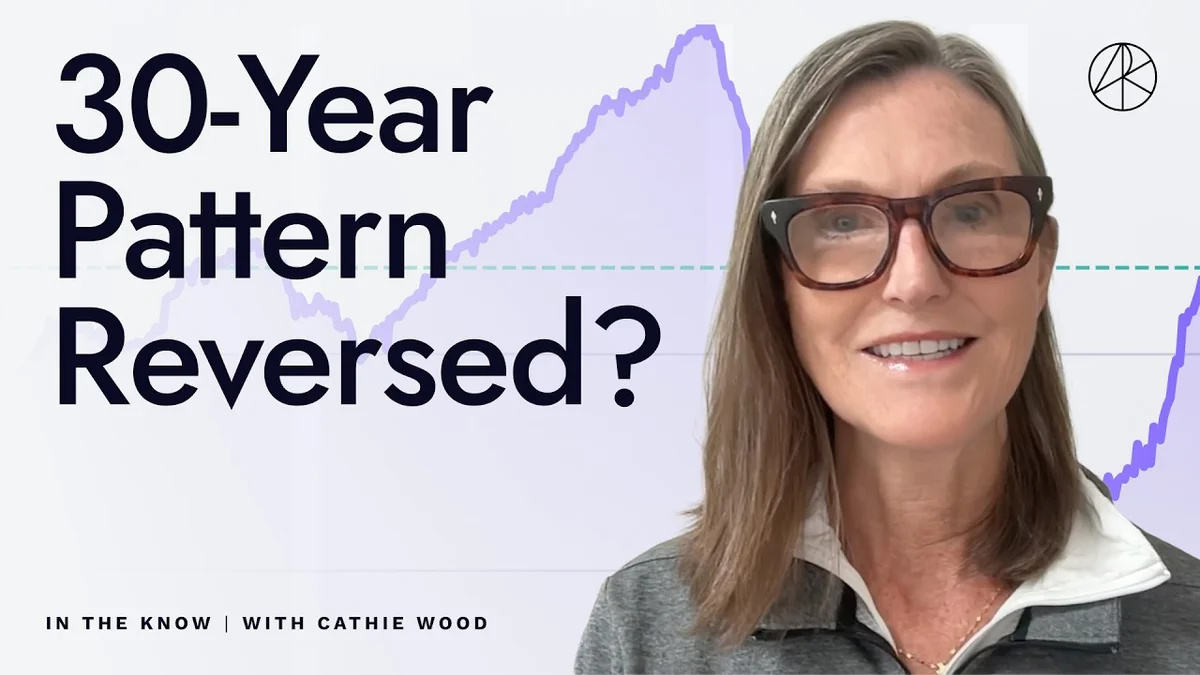
In a recent appearance on "In The Know" with Cathie Wood, the ARK Invest founder offered a nuanced perspective on the current economic climate, focusing on the potential deflationary impact of Artificial Intelligence (AI) and a reversal of long-standing economic patterns. Wood, known for her conviction in disruptive innovation, detailed her outlook on inflation, productivity, and the US dollar.
Reversing Economic Trends
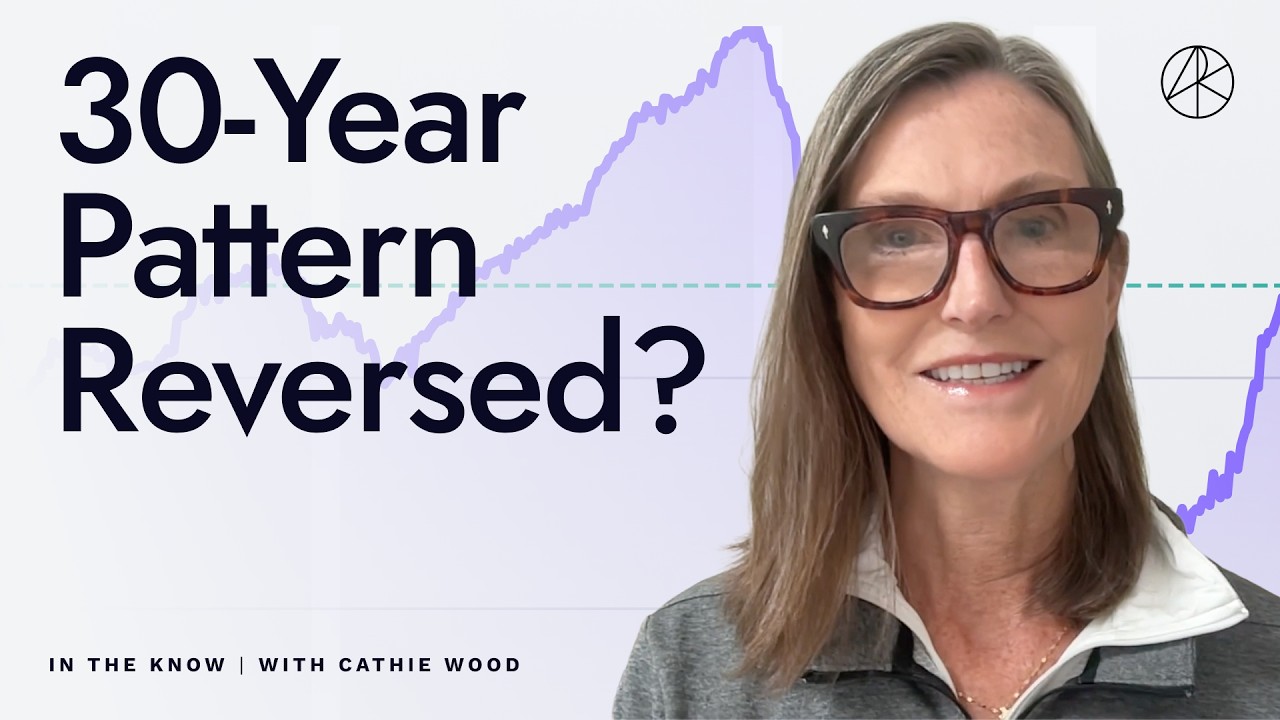
Wood began by stating that a 30-year pattern is being reversed, suggesting a shift from inflationary pressures to a more deflationary environment. She pointed to mixed signals in employment data but emphasized that the deeper story indicates underlying economic strength. She specifically highlighted the increasing productivity driven by AI and technological advancements as a key factor in this shift.
The Role of AI in Deflation
A central theme of Wood's discussion was the deflationary nature of AI. She presented data suggesting that AI training costs are falling by 75% per year, and inference costs are decreasing even faster. This, she argued, is a significant driver of productivity gains across industries, which in turn can lead to lower prices for goods and services. "We are seeing productivity rise fast enough to offset wage growth," Wood stated, implying that AI adoption is fundamentally changing the cost structure of businesses.
Fiscal and Monetary Outlook
Wood also touched upon fiscal and monetary policy, presenting charts that illustrated the shrinking US federal deficit as a percentage of GDP. She noted that despite significant refunds to corporations and individuals, the deficit continues to decrease, reaching a projected 3% of GDP by FY2026. This, combined with strong corporate income tax revenues, suggests a more favorable fiscal picture than many anticipate.
Contrarian View on the US Dollar
In a particularly contrarian take, Wood expressed her belief that the US dollar is poised for strength. She acknowledged that most market participants expect the dollar to weaken, but her analysis of economic indicators, including the yield curve, suggests otherwise. "Almost no one thinks the dollar is heading higher. We do," she stated, pointing to the fact that while the yield curve has been flattening, she believes the dollar's trajectory is upward.