

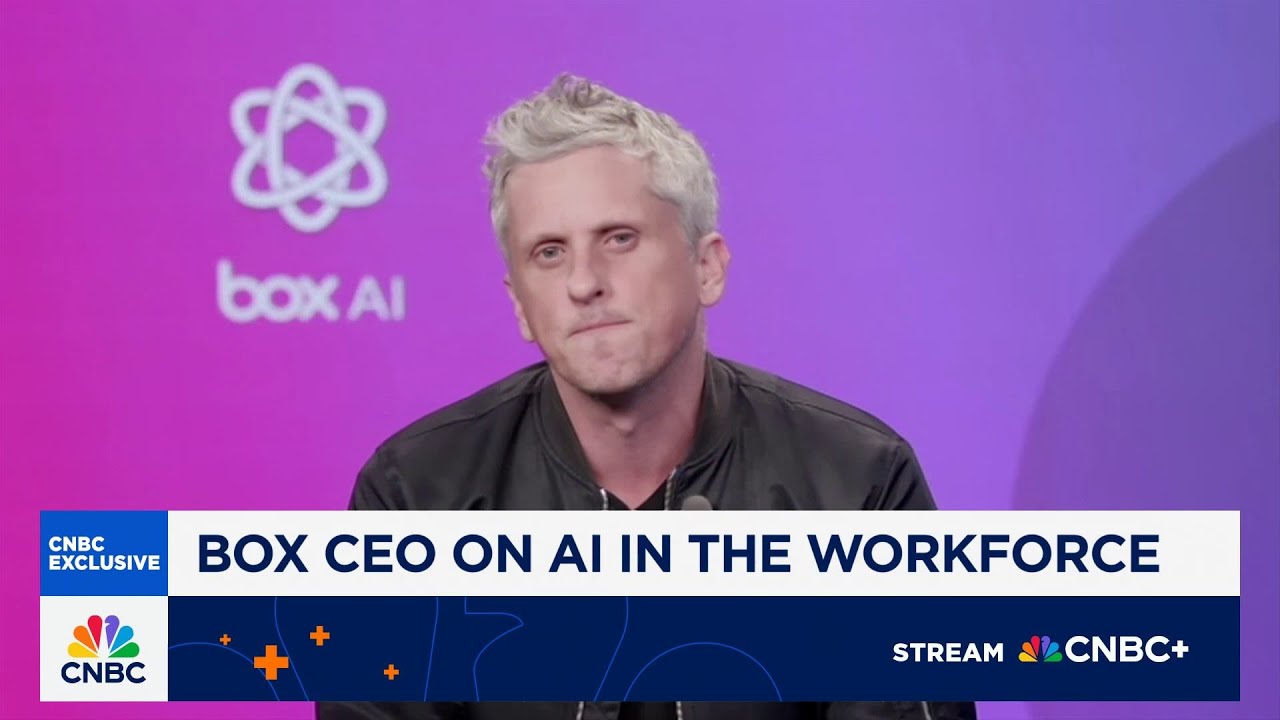
When it comes to enterprise AI, the promise of transformative productivity often clashes with the harsh reality of data fragmentation and intricate security hurdles. This critical bottleneck, according to Box CEO and Co-founder Aaron Levie, presents a significant opportunity for platforms capable of simplifying the complex journey to AI adoption.
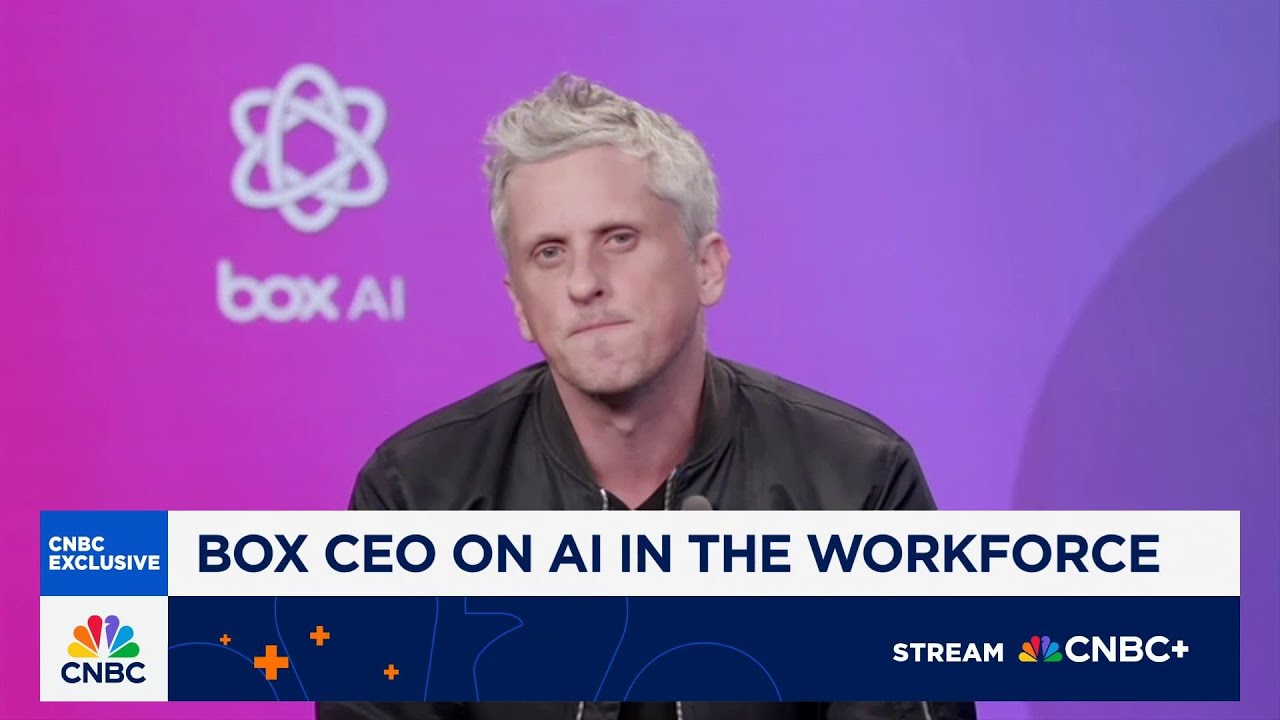
Levie recently joined Frank Holland on CNBC's 'The Exchange' to discuss Box's stronger-than-expected Q2 earnings and how the company is positioning itself at the forefront of enterprise AI. The conversation centered on the practical challenges businesses face in leveraging artificial intelligence and Box's strategic role in overcoming them.
Many companies attempting to build their own AI solutions encounter substantial complexity. Levie explained, "You just have a lot of complexity around all of the work it takes to get your data ready for AI... to be able to handle security permissions and access controls." This internal effort, he noted, often results in "a lot of failures" in early deployments as organizations grapple with preparing their vast, disparate data for AI models.
Box’s approach is to abstract away this foundational work. The Box AI platform is designed to manage data storage, ensure data readiness, and enforce granular access controls and permissions. This purpose-built solution caters specifically to enterprises looking to apply AI to their "unstructured information," such as contracts, financial documents, marketing assets, and research materials.
The security aspect is paramount. "The bigger problem actually, is usually things like access controls and security permissions," Levie asserted. Without robust controls, an AI agent, however powerful, could retrieve and present sensitive information to unauthorized users, leading to severe security incidents or incorrect outputs.