


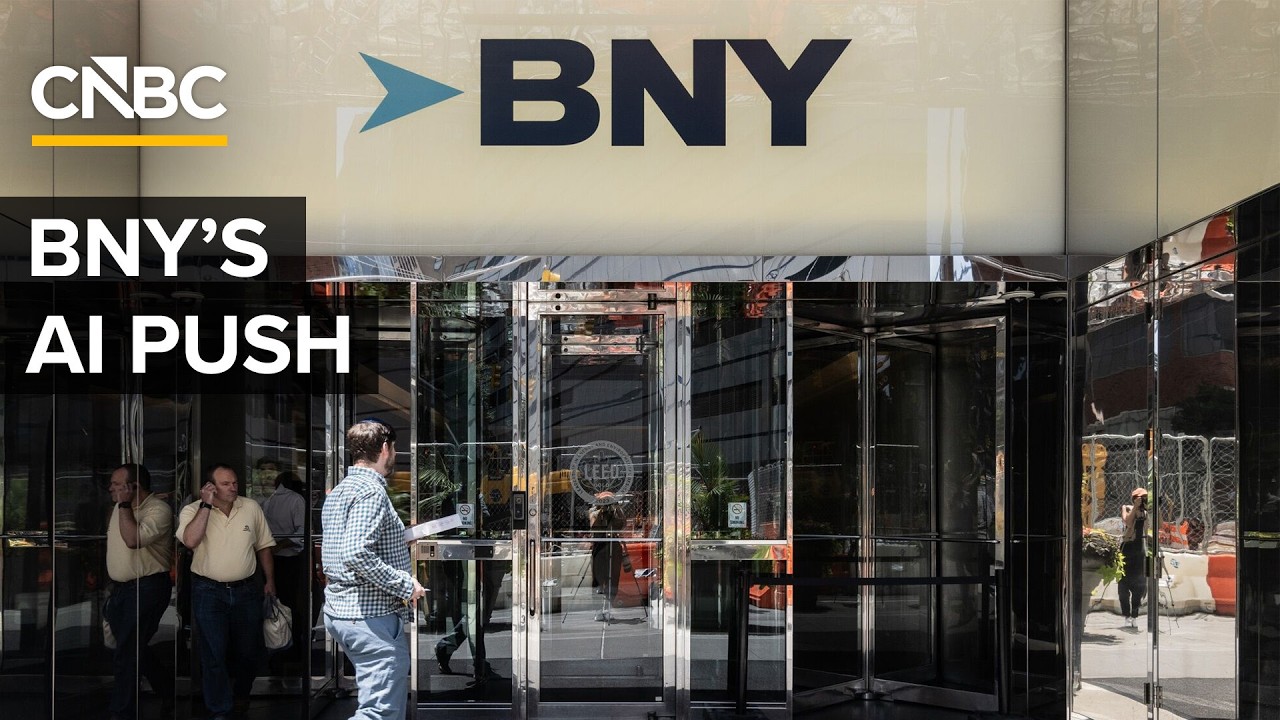
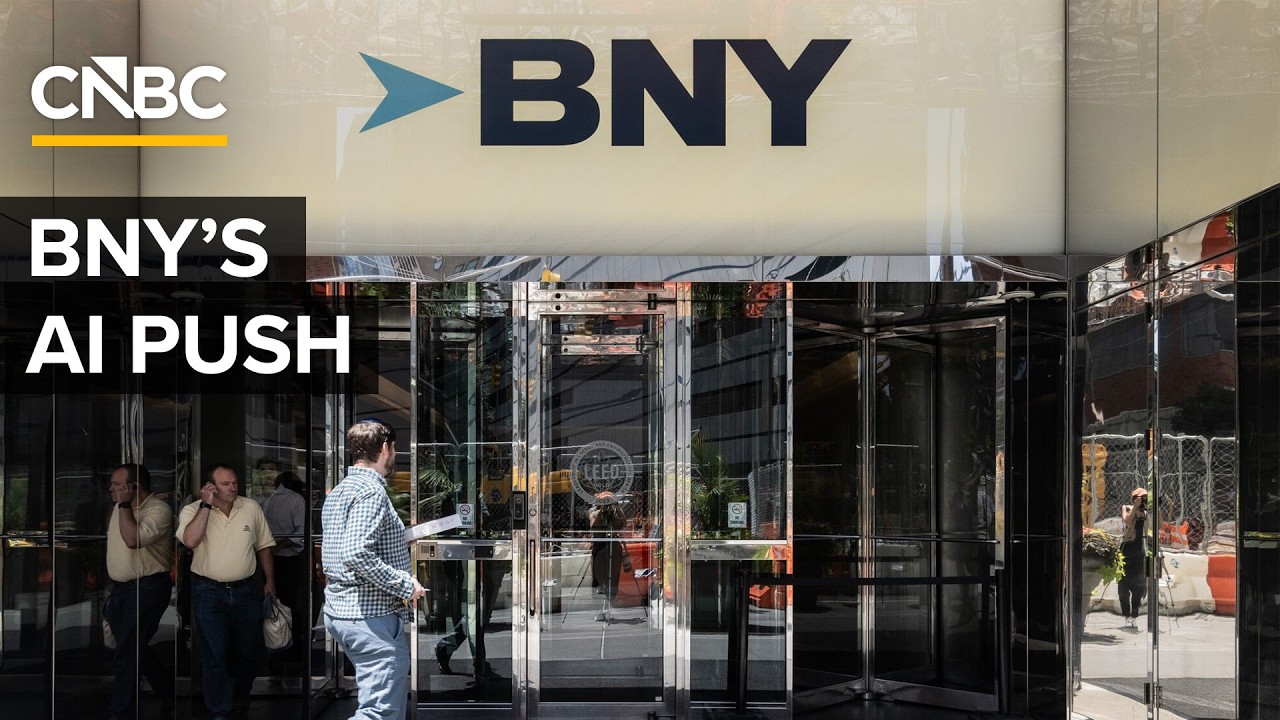
America’s oldest bank is making a massive bet on artificial intelligence. BNY Mellon, a titan of the financial services industry, is channeling nearly $4 billion annually into technology, a figure that represents an impressive 19 percent of its revenue. This investment dwarfs that of its major banking rivals, signaling a clear intention to lead the AI charge.
However, this aggressive push into artificial intelligence is not without scrutiny. The critical question looming over the banking sector's AI spending spree is the eventual return on investment. As detailed in a CNBC report, the firm's latest AI endeavors could chart a new course for its future.
A Technological Arms Race
The financial industry is increasingly viewing AI not just as an efficiency tool but as a fundamental competitive differentiator. Banks are racing to integrate AI into everything from customer service to complex trading algorithms.
BNY Mellon's substantial outlay suggests a belief that AI is the key to unlocking future growth and maintaining relevance in an era of rapid digital transformation. The sheer scale of their investment indicates a strategic pivot, aiming to leverage AI for both operational improvements and the development of novel financial products and services.
The ROI Question
While the commitment is clear, the tangible benefits of such massive AI investments remain a subject of intense debate. Analysts are closely watching to see if BNY Mellon can translate its technological spending into measurable gains in market share, profitability, or operational efficiency.