


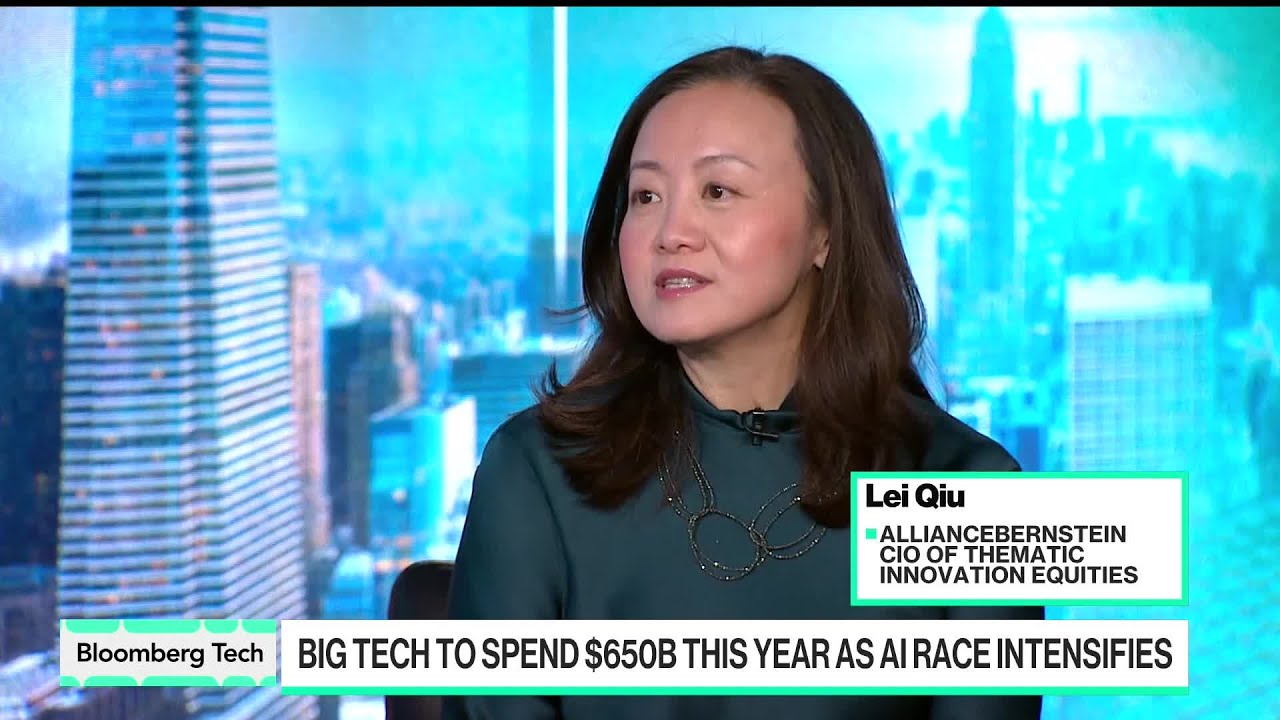
Four of the largest US technology companies are set to pour approximately $650 billion into capital expenditures by 2026. This colossal sum is earmarked for new data centers and the necessary hardware to power the escalating artificial intelligence race. This projection, discussed on "Bloomberg Tech," highlights the profound and rapid acceleration of AI development and deployment.
The AI Infrastructure Boom
The significant investment underscores a critical shift in how Big Tech is allocating resources. Instead of broader initiatives, the focus is sharpening on the foundational elements required for advanced AI: massive computing power and storage. This capital expenditure plan is a direct response to the insatiable demand for AI services.
Lei Qiu, CIO of Thematic Innovation Equities at AllianceBernstein, joined Caroline Hyde and Ed Ludlow to break down the implications of this investment wave. The sheer scale of the planned spending indicates a long-term commitment to AI leadership, moving beyond experimental phases into widespread implementation.
Market and Industry Disruption
This infrastructure build-out is not just about internal development; it signals significant market opportunities and potential disruptions across various industries. Companies that can supply the necessary components, from specialized chips to cooling systems for hyper-dense data centers, stand to benefit immensely.
Conversely, industries that rely on traditional computing models may face pressure to adapt or risk being outpaced by AI-driven competitors. The investment is a clear signal that the AI revolution is moving from the theoretical to the practical, impacting business operations and consumer experiences alike.
The rapid pace of AI advancement necessitates constant upgrades and expansion of computing resources. This $650 billion projection, as reported by Bloomberg Tech, is a testament to the capital-intensive nature of maintaining a competitive edge in the current technological landscape.
The Underlying Drivers
The primary driver for this surge in spending is the escalating demand for AI models, particularly large language models (LLMs) and generative AI applications. These technologies require immense computational power for training and inference, pushing the limits of existing infrastructure.
Tech giants are not only building more data centers but also investing heavily in the latest generation of AI accelerators, networking equipment, and custom silicon designed specifically for AI workloads. This strategic investment aims to secure a competitive advantage and meet the growing needs of both enterprise and consumer AI applications.
Future Implications
The long-term implications of this massive capital injection are far-reaching. It suggests a sustained period of high growth for the hardware and infrastructure sectors supporting AI. It also raises questions about energy consumption and the environmental impact of such large-scale data center operations.
As Big Tech commits such substantial resources to AI, the competitive landscape will continue to evolve. Companies that can effectively leverage this enhanced infrastructure will likely lead the next wave of technological innovation and market dominance.


