

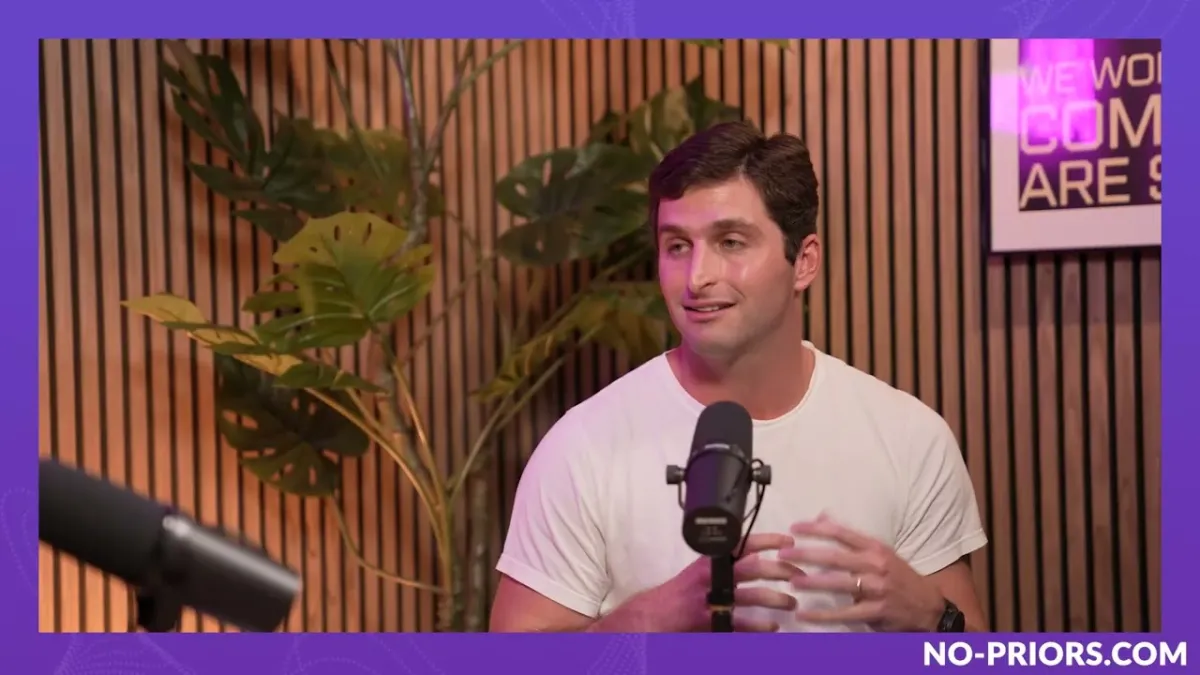
The energy industry is on the cusp of a profound transformation, shifting from a centralized, fossil-fuel-dominated model to one powered by distributed renewables. This paradigm shift, driven by advancements in solar and storage technologies, is not merely an environmental imperative but an economic one, promising a future of energy abundance that will underpin the next wave of technological innovation, including the burgeoning field of artificial intelligence. Zach Dell, founder and CEO of Base Power, articulated this vision in a recent interview with Elad Gil on No Priors, revealing how his company, fresh off a $1 billion fundraise, is building the "world's largest distributed power plant" to capture this monumental opportunity.
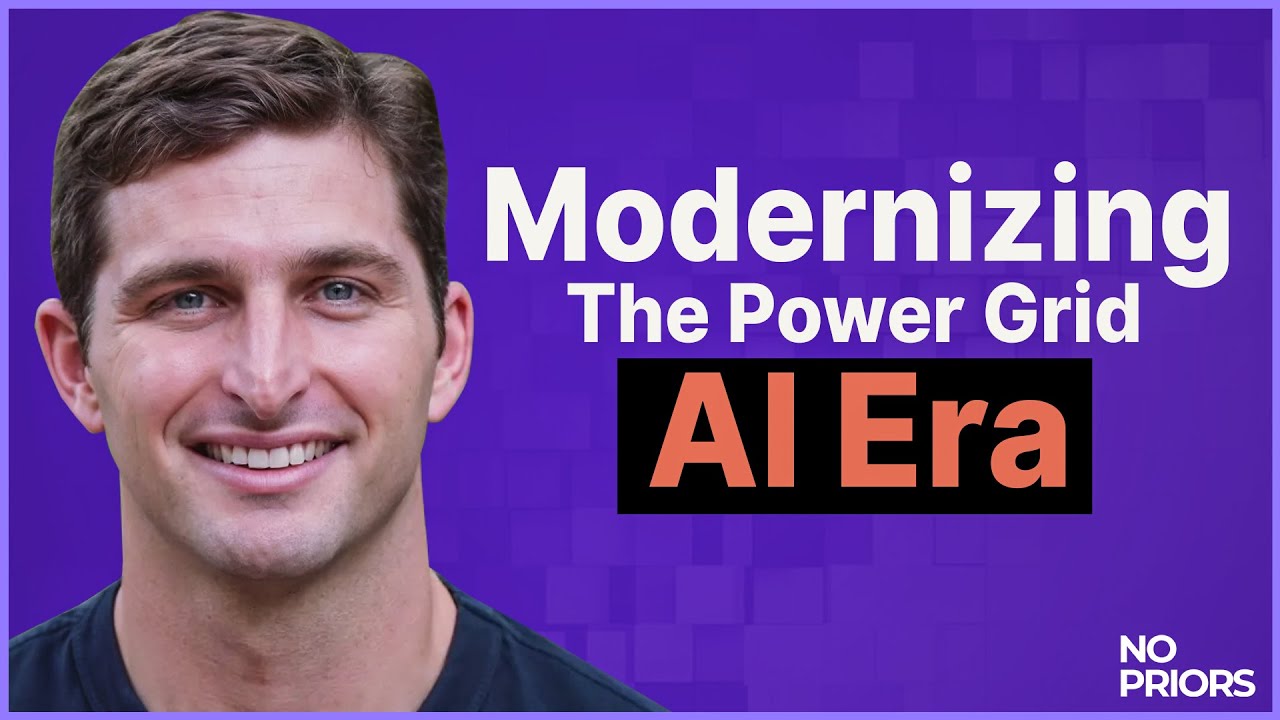
Dell spoke with Gil about Base Power's ambitious mission: "to lower the cost of electricity for all." This objective, he believes, is "the most powerful thing we can do to promote human prosperity," by creating a world where power is both less expensive and more reliable. Base Power's strategy hinges on a radical vertical integration, allowing them to control every aspect of the energy delivery chain. They design and manufacture batteries, install them in homes, and then own and operate these distributed assets, selling power directly to homeowners.
This vertically integrated model is designed to create a compounding cost advantage. By bringing manufacturing, deployment, and operation in-house, Base Power aims to drive down the cost of electricity, passing those savings directly to consumers. Currently operating in Texas, a deregulated market, Base Power installs smart batteries in homes, which interact with the grid, providing backup power during outages and feeding energy back into the system when prices are favorable. This innovative approach allows customers to save 10-20% on their monthly electricity bills.
The broader context for Base Power's strategy is the undeniable shift in energy production. As Dell noted, "the last five decades of energy, it's really been defined by coal and then natural gas," but the trajectory of cost curves indicates that "the next five decades of energy are going to be defined by solar and storage." This transition is crucial because energy is a fundamental input into nearly every aspect of modern life, from manufacturing and transportation to, increasingly, artificial intelligence and data centers. Cheaper, more abundant energy unlocks entirely new economic possibilities and accelerates technological progress.
However, realizing this future demands more than just technological breakthroughs; it requires a concerted effort to overcome existing infrastructure and regulatory hurdles. Dell highlighted the challenge of scaling a complex, multidisciplinary business. He emphasized that Base Power's success relies on "building a world-class team of people across a bunch of different domains," including hardware, mechanical engineering, software, and finance. Base Power has attracted top talent from companies like SpaceX and Anduril, who are inspired by the opportunity to solve "the hardest problems and the biggest, most important missions" in the economy. This culture of urgency and focus, coupled with open communication and direct feedback, is critical for tackling the intricate coordination problems inherent in energy innovation.