

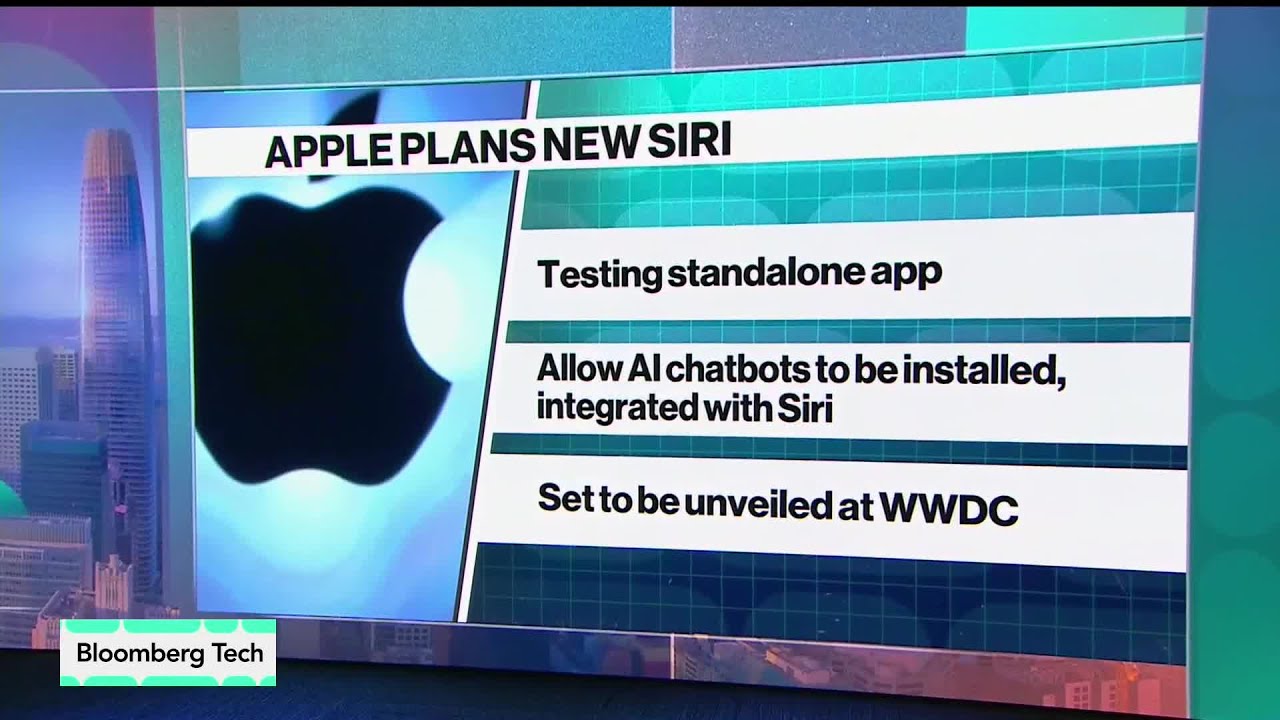
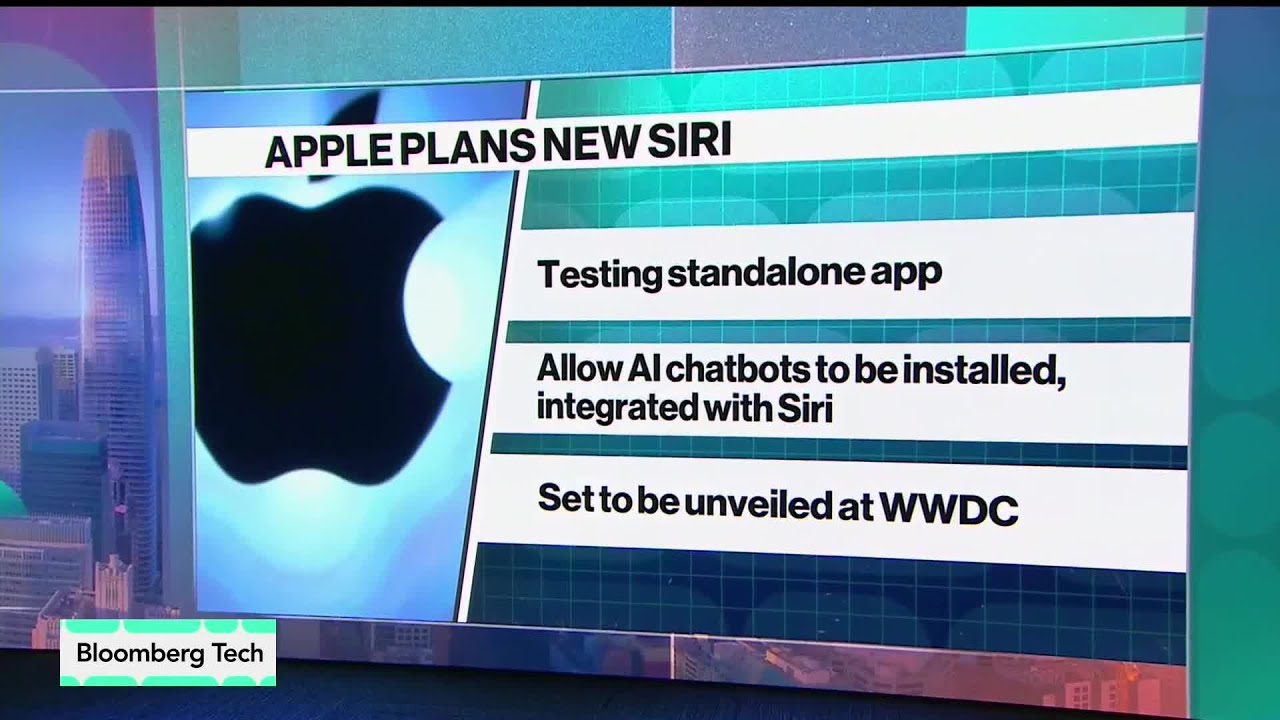
In a significant strategic shift, Apple is reportedly preparing to open up its voice assistant, Siri, to rival AI assistants. This move, detailed in recent reports, signals a departure from Apple's traditionally closed ecosystem and could fundamentally alter how users interact with their devices and AI technologies. The company is said to be developing a new App Store section dedicated to AI chatbots, allowing them to be installed and integrated directly with Siri. This development comes as the AI landscape rapidly evolves, with competitors like Google and OpenAI making substantial advancements in conversational AI.
The full discussion can be found on Bloomberg Technology's YouTube channel.
Mark Gurman: A Leading Voice on Apple's Strategy
Mark Gurman, a senior reporter for Bloomberg News, is a highly respected and influential voice in technology journalism, particularly known for his deep insights into Apple's product development and strategic direction. His reporting is often based on insider information and has a strong track record of accuracy. Gurman's expertise lies in dissecting complex technological shifts and their implications for major players in the industry. His analysis in this segment provides critical context for Apple's evolving AI strategy.
Opening Siri to the Competition
The core of the report suggests that Apple is moving towards a more agnostic approach to AI assistants. Instead of solely relying on Siri's capabilities, Apple aims to allow users to choose and integrate their preferred AI chatbots directly into the Apple ecosystem. This would be facilitated by a new section within the App Store specifically designed for these AI applications.
"The idea is they want all the different AI platforms to be easily accessible from their devices." — Mark Gurman
This strategy has direct implications for the AI startup landscape. Companies developing advanced conversational AI models could find a new, massive distribution channel through Apple's devices. It suggests a recognition by Apple that while Siri has been a core feature, it may not be leading the pack in terms of raw AI capabilities compared to specialized third-party offerings.
A New App Store for AI Chatbots
The proposed App Store section for AI chatbots is a key component of this strategy. Gurman explains that this would enable third-party AI providers to offer their services within Apple's ecosystem, potentially through a revenue-sharing model. "They're going to build out a new app store section and then they're going to take 30% or whatever the slice is that they agreed to with that AI provider." — Mark Gurman. This revenue-sharing aspect is crucial, as it indicates a potential monetization strategy for Apple and a clear business model for AI developers looking to tap into the vast Apple user base.
Enhancing Siri's Core Capabilities
Beyond opening up to third-party assistants, Apple is also working on significantly improving Siri's underlying technology. Gurman reports that Apple is rebuilding Siri's models using technology derived from Google's Gemini. This indicates a concerted effort to bolster Siri's natural language processing and conversational abilities, aiming to bring it closer to the performance of leading AI models.
"They are rebuilding their Siri models using technology from Gemini." — Mark Gurman
This dual approach – opening up to external AI while simultaneously upgrading its own capabilities – suggests a comprehensive strategy to address the evolving demands of the AI assistant market. It acknowledges the competitive pressure from entities like OpenAI and Google, which have been at the forefront of large language model development.
Potential Impact on the AI Ecosystem
This strategic pivot by Apple could have a profound impact on the AI industry. For startups and established AI companies, it presents an unprecedented opportunity to reach millions of Apple users. It also signifies a potential shift in how users will access and utilize AI, moving away from standalone apps and towards more integrated experiences within their preferred operating systems.
The move also addresses a long-standing criticism of Siri: its perceived limitations compared to competitors. By allowing integration with more advanced AI models, Apple can offer users a richer and more powerful AI experience without necessarily having to develop all the advanced capabilities in-house. This could lead to a more dynamic and competitive AI assistant market across all platforms.
Siri's Future and WWDC
The report indicates that these changes are expected to be unveiled at the Worldwide Developers Conference (WWDC), Apple's annual developer event. This timing suggests that developers will be a key audience for these announcements, as they will be the ones building and integrating their AI services into the Apple ecosystem.
The development of a standalone Siri app, allowing users to access Siri from the keyboard more easily, further suggests Apple's commitment to making its AI capabilities more accessible and versatile. This could position Siri as a more direct competitor in applications beyond voice commands, potentially rivaling text-based AI interfaces.
Broader Implications for Apple's Strategy
This strategic direction for Siri is part of a larger trend observed at Apple, where the company is increasingly focusing on AI integration across its product lines. The report also touches upon Apple's efforts to retain top AI talent by offering retention bonuses to its iPhone design team, highlighting the critical importance of AI hardware and software integration for the company's future.
By embracing third-party AI and enhancing its own models, Apple appears to be positioning itself to compete more effectively in the rapidly expanding AI landscape, ensuring its devices remain at the forefront of technological innovation.
