


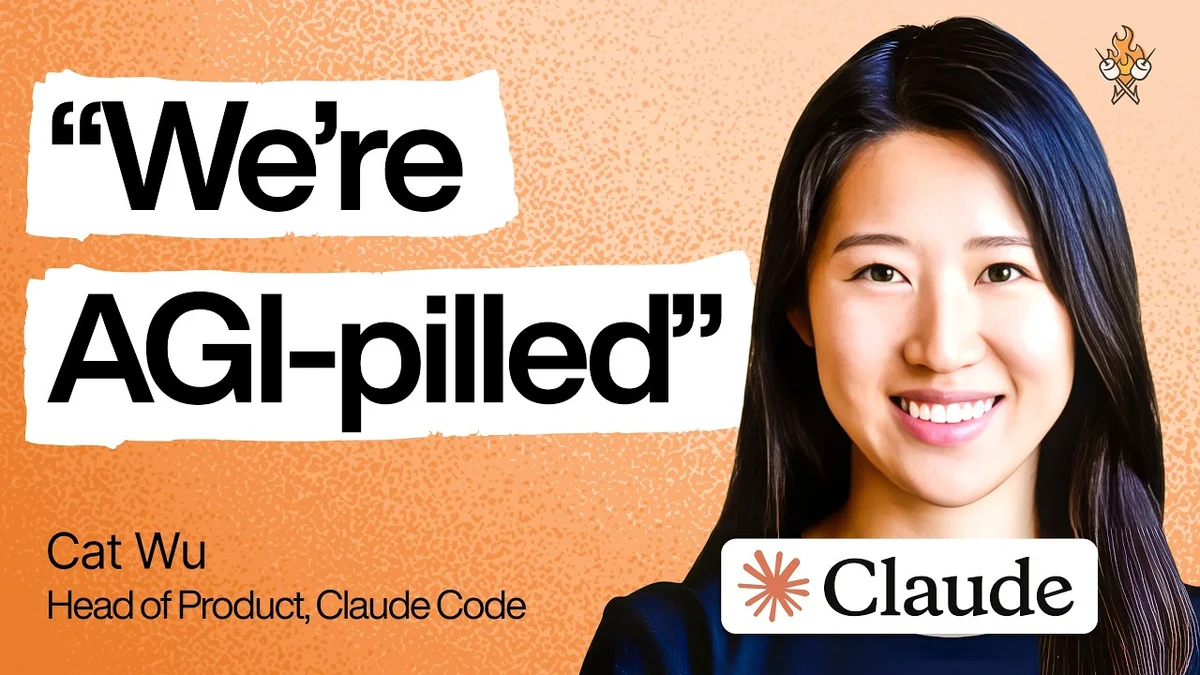
Anthropic PM on AI Product Velocity

Anthropic's Cat Wu discusses the acceleration of AI product development, the evolving skills of PMs, and the importance of rapid iteration in the AI space.

4 min read
Cat Wu, Head of Product at Anthropic, speaking into a microphone
Image credit: Lenny's Podcast· Lenny's Podcast

Cat Wu, Head of Product for Claude Code and Cowork at Anthropic, joined Lenny Rachitsky on Lenny's Podcast to discuss the accelerating pace of AI product development and the evolving role of product managers in this dynamic field. Wu highlighted the shift towards rapid iteration, where features are now being shipped in weeks or even days, a significant acceleration from previous months-long development cycles.
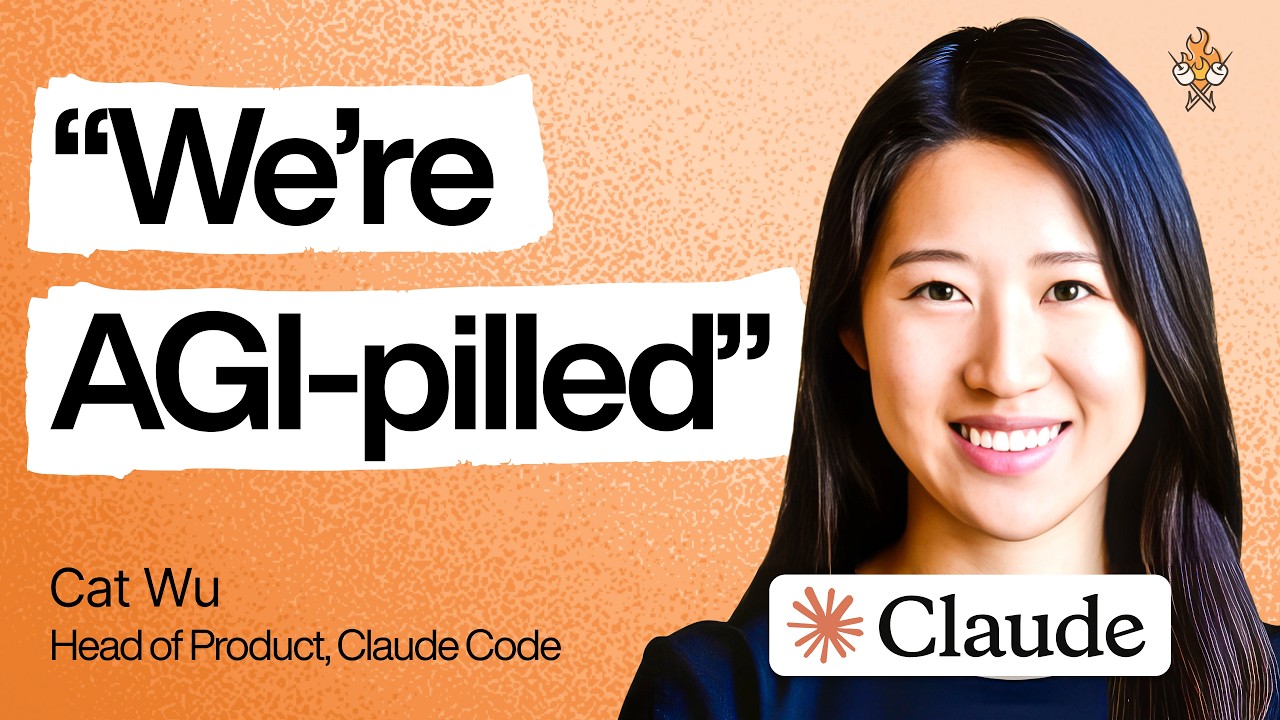
Anthropic PM on AI Product Velocity - Lenny's Podcast
Anthropic PM on AI Product Velocity — from Lenny's Podcast

Wu's perspective is particularly insightful given her background as an engineer and her current role at Anthropic, a leading AI safety and research company. She emphasized that the ability to move quickly and iterate is paramount in the current AI landscape. This rapid pace necessitates a product management approach that is deeply collaborative, data-informed, and focused on delivering value to users incrementally.

The Acceleration of AI Product Development

Wu noted that the timelines for shipping product features have drastically shortened. What once took six months might now be accomplished in a month, or even a single day. This acceleration is driven by advancements in AI capabilities and the competitive pressure to deliver new functionalities to market swiftly. The ability to elicit maximum capability from current models and to quickly iterate on them is the hard part of building AI-native products.

Related startups

She explained that to achieve this velocity, teams must be highly efficient and remove any barriers to shipping. This involves a fundamental shift in how product development is approached, moving away from lengthy, monolithic releases towards more agile, iterative processes. The focus is on getting features into users' hands quickly to gather feedback and refine the product based on real-world usage.

Essential Skills for AI Product Managers

Rachitsky inquired about the emerging skills that product managers need to develop in this rapidly changing environment. Wu pointed out that the role of a PM is becoming more intertwined with technical aspects. She stated, "The PM role is changing a lot. It's changing really quickly."

Wu emphasized the importance of understanding the underlying technology and the capabilities of AI models. She said, "The thing that is extremely important for building AI native products is iterating so quickly, figuring out a way for you to actually launch features every single week." This requires PMs to have a strong grasp of what's possible with current AI models and to translate that into actionable product plans.

She further elaborated on the need for PMs to be adept at setting clear goals and understanding their key users. "This is what the product needs to be, in three months, six months from now," Wu explained, highlighting the strategic vision required. She also stressed the importance of cross-functional collaboration, ensuring that marketing, sales, finance, and other teams are aligned with the product roadmap and can support the successful launch of new features.

The Role of AI in Product Strategy

Wu highlighted how AI is not just a feature but a fundamental driver of product strategy. As AI models become more powerful and accessible, they enable new types of products and user experiences. The challenge for PMs is to identify these opportunities and translate them into concrete product roadmaps.

She noted that as AI becomes more integrated into software development, the role of the PM shifts. Instead of focusing solely on traditional product management tasks, PMs need to understand how to best leverage AI capabilities. This includes knowing which AI models to use, how to integrate them effectively, and how to measure their impact. The ability to bridge the gap between AI research and practical product application is crucial.

Wu also touched upon the importance of understanding the nuances of AI development, such as the trade-offs between model performance, cost, and latency. "The hard thing is figuring out for the current model, how do you elicit the maximum capability," she said, emphasizing the need for creative problem-solving and a deep understanding of the AI's limitations and strengths.

The Future of Product Management in AI

Looking ahead, Wu anticipates that the role of the product manager in AI will continue to evolve. As AI technology advances, PMs will need to stay abreast of the latest developments and adapt their strategies accordingly. The ability to learn quickly, experiment, and pivot will be essential for success.

She concluded by emphasizing that the core principles of product management remain relevant: understanding the user, defining a clear vision, and executing effectively. However, the tools and techniques are changing, and PMs who can effectively integrate AI into their workflows will be best positioned for success in this rapidly evolving field.

© 2026 StartupHub.ai. All rights reserved. Do not enter, scrape, copy, reproduce, or republish this article in whole or in part. Use as input to AI training, fine-tuning, retrieval-augmented generation, or any machine-learning system is prohibited without written license. Substantially-similar derivative works will be pursued to the fullest extent of applicable copyright, database, and computer-misuse laws. See our terms.