


The United States’ approach to artificial intelligence policy has undergone a dramatic transformation, moving from a cautionary stance of "pause AI" to an assertive drive to "win the AI race." This significant pivot, unpacked by a16z General Partners Martin Casado and Anjney Midha in a recent discussion with Erik Torenberg, reflects a critical re-evaluation of national priorities and the true nature of technological progress. Their insights illuminate how the prevailing narrative shifted from doomerism to pragmatism, driven by both internal realization and external competition.
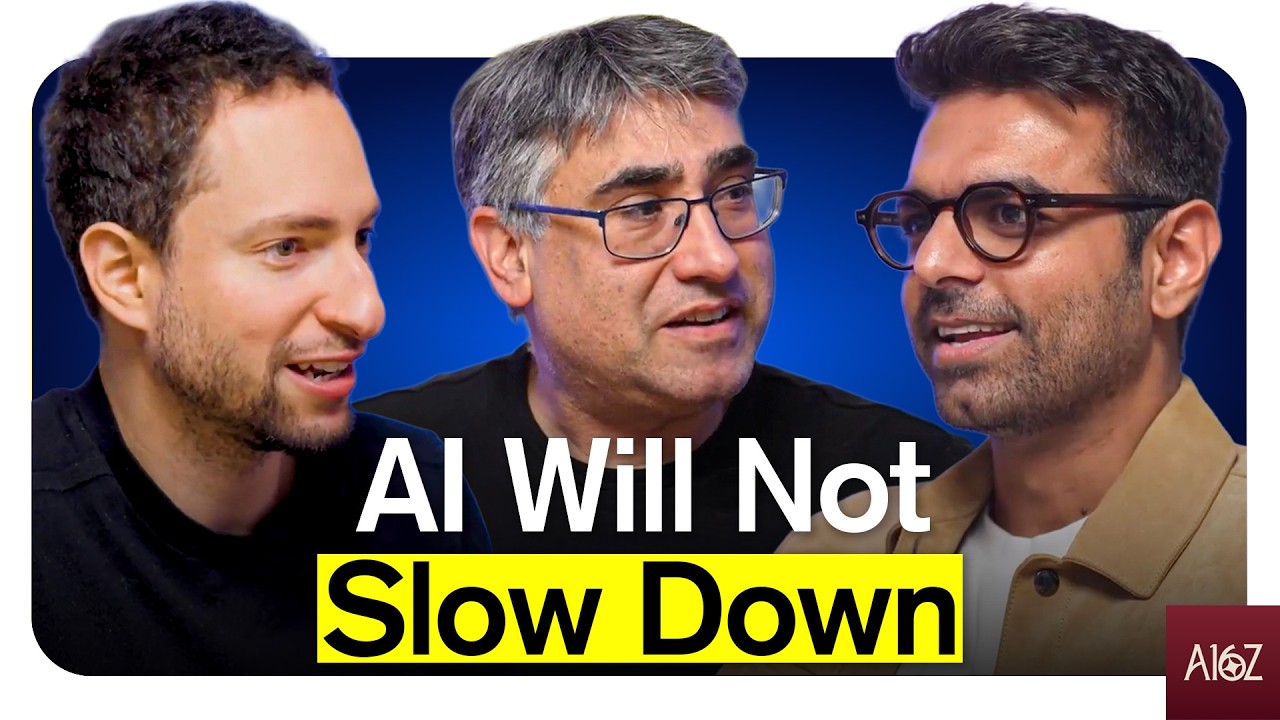
In the initial phase, under the Biden administration, policy discussions often centered on limiting innovation. Martin Casado observed, "It was like innovation is bad or dangerous and we should regulate it, we should pause it." This sentiment was surprisingly echoed or met with silence across various sectors, including academia, startups, and even some venture capitalists. Unlike the early days of the internet, where demonstrable risks like the Morris worm spurred innovation rather than paralysis, the nascent AI landscape saw calls for caution without concrete, established dangers.
This period saw open-source AI wrongly equated to existential threats, drawing misguided parallels to nuclear weapons or F-16 blueprints. Anjney Midha highlighted the absurdity of California's proposed SB 1047 bill, which would have imposed downstream liability on open-source developers, noting, "What was absurd to us I think was that it made it through the House and the Senate and was on its way to a final vote and would have become law." This legislative attempt underscored a fundamental misunderstanding: the technology itself was being confused with its potential (often theoretical) malicious applications. Midha further stressed that "substantively, AI was not introducing new marginal risks" that weren't already present in other technologies.
The turning point was largely spurred by the rapid advancements in AI from competing nations, particularly China. The realization dawned that stifling domestic innovation risked the U.S. falling behind in a critical technological race. The narrative began to shift towards viewing open source not merely as an ideological pursuit, but as a strategic business advantage. As Casado pointed out, "The people that are supposed to be protecting the US innovation brain trust were somehow on the side of the let's slow it down." Now, a more sensible and pragmatic discussion is taking hold, with broader representation from founders, academics, and VCs who recognize the imperative to build and lead.
The latest AI Action Plan, with its emphasis on scientific progress and open source, signals a welcome alignment with historical patterns of technological leadership. The current environment acknowledges that while risks exist, the greater danger lies in ceding the frontier to adversaries. The debate is no longer solely about theoretical dangers but about fostering an ecosystem where innovation can thrive responsibly, ensuring the U.S. remains at the forefront of this transformative technology.